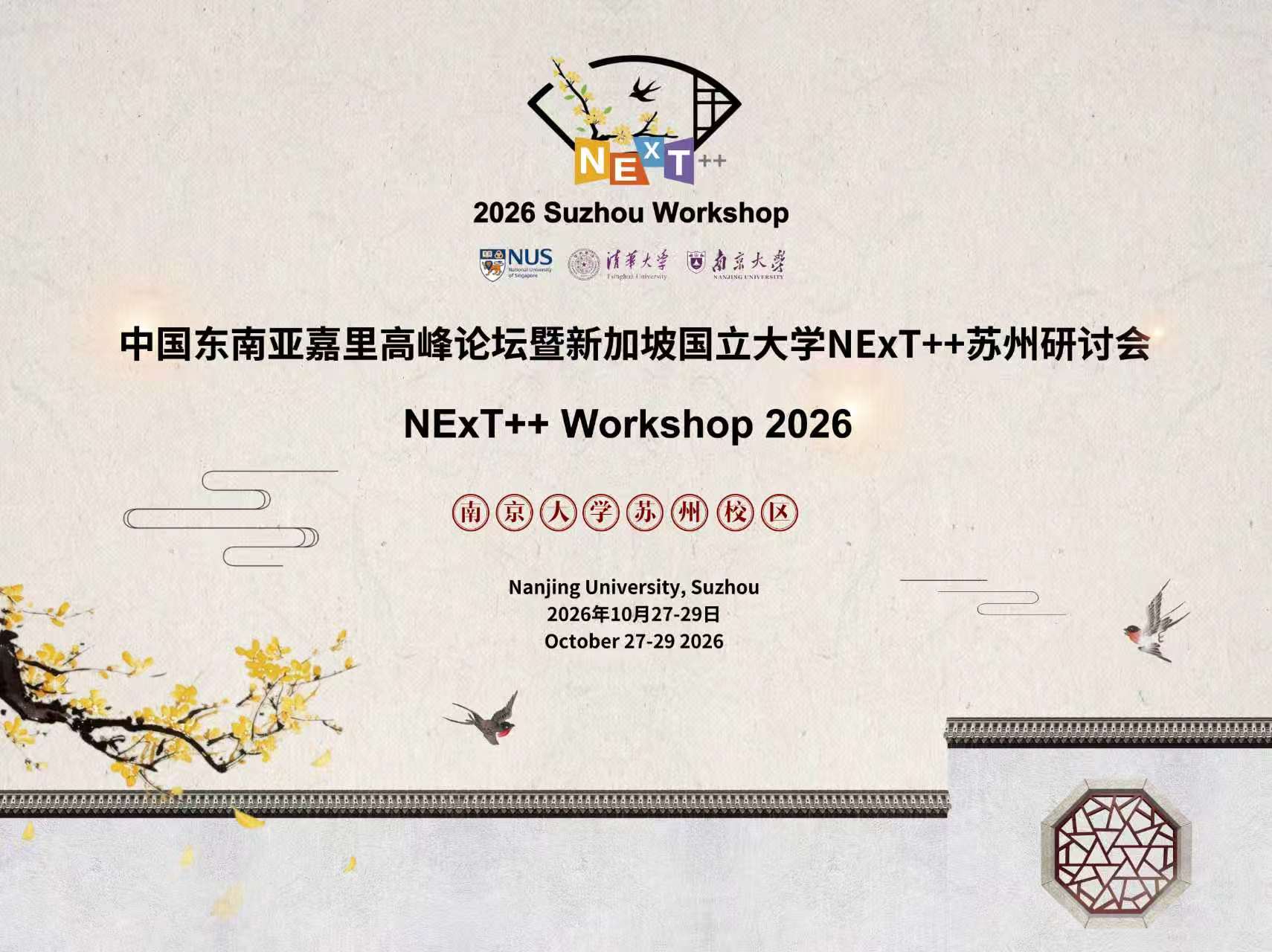
From October 27 to 28, 2026, the "China–Southeast Asia Kerry Summit Forum & NUS NExT++ Suzhou Workshop" was successfully held at Nanjing University Suzhou Campus. Experts and scholars from over 40 domestic and international universities and industry, including the National University of Singapore, Tsinghua University, the University of Southampton, Zhejiang University, and Nanjing University, gathered together to engage in in-depth exchanges on frontier topics such as agent technologies, multimodal foundation models, AI safety, value alignment, and AI governance, jointly exploring the development directions and application prospects of artificial intelligence.
Attendees included: Zhang Bo, Academician of the Chinese Academy of Sciences; Chua Tat-Seng, Fellow of the Singapore National Academy of Science; Wendy Hall, Fellow of the Royal Society; Wang Meng, President of Hefei University of Technology; Jiang Yugang, Vice President of Fudan University; Hong Richang, Vice President of Hefei University of Technology; Liu Yiqun, Dean of the Office of Scientific Research at Tsinghua University; Sun Maosong, Executive Vice Director of the Institute for Artificial Intelligence at Tsinghua University; Zhuang Yueting, Deputy Director of the Academic Committee at Zhejiang University; Nie Liqiang, Dean of the Faculty of Information Technology at Harbin Institute of Technology (Shenzhen); Hu Bin, Executive Dean of the School of Medical Technology at Beijing Institute of Technology; Zha Zhengjun, Director of the Human Resources Department at the University of Science and Technology of China; Hu Xia, Assistant Director of Shanghai Artificial Intelligence Laboratory; Li Juanzi, Director of the Knowledge Intelligence Center at the Institute for Artificial Intelligence, Tsinghua University; Zhang Min, Deputy Director of the Key Laboratory of Intelligent Technology and Systems, Tsinghua University; Cui Peng, Deputy Secretary-General of the China Computer Federation; Zhang Yu, Party Secretary of the School of Education, Tsinghua University; Bao Bingkun, Dean of the School of Computer and Information, Hefei University of Technology; He Xiangnan, Vice Dean of the School of Artificial Intelligence and Data Science, University of Science and Technology of China; Xiao Jun, Deputy Director of the Institute of Artificial Intelligence, Zhejiang University; Li Xi, Vice Dean of the Shanghai Institute for Advanced Study, Zhejiang University; Li Yong, Head of the Urban Science and Computing Research Center, Tsinghua University; Yang Shiqiang, Professor of the Department of Computer Science and Technology, Tsinghua University; and Liu Zhiyuan, Professor of the Department of Computer Science and Technology, Tsinghua University, among other senior experts from home and abroad, over 80 young scholars from China and abroad, and more than 60 postdoctoral researchers and Ph.D. students from Tsinghua University and the National University of Singapore.
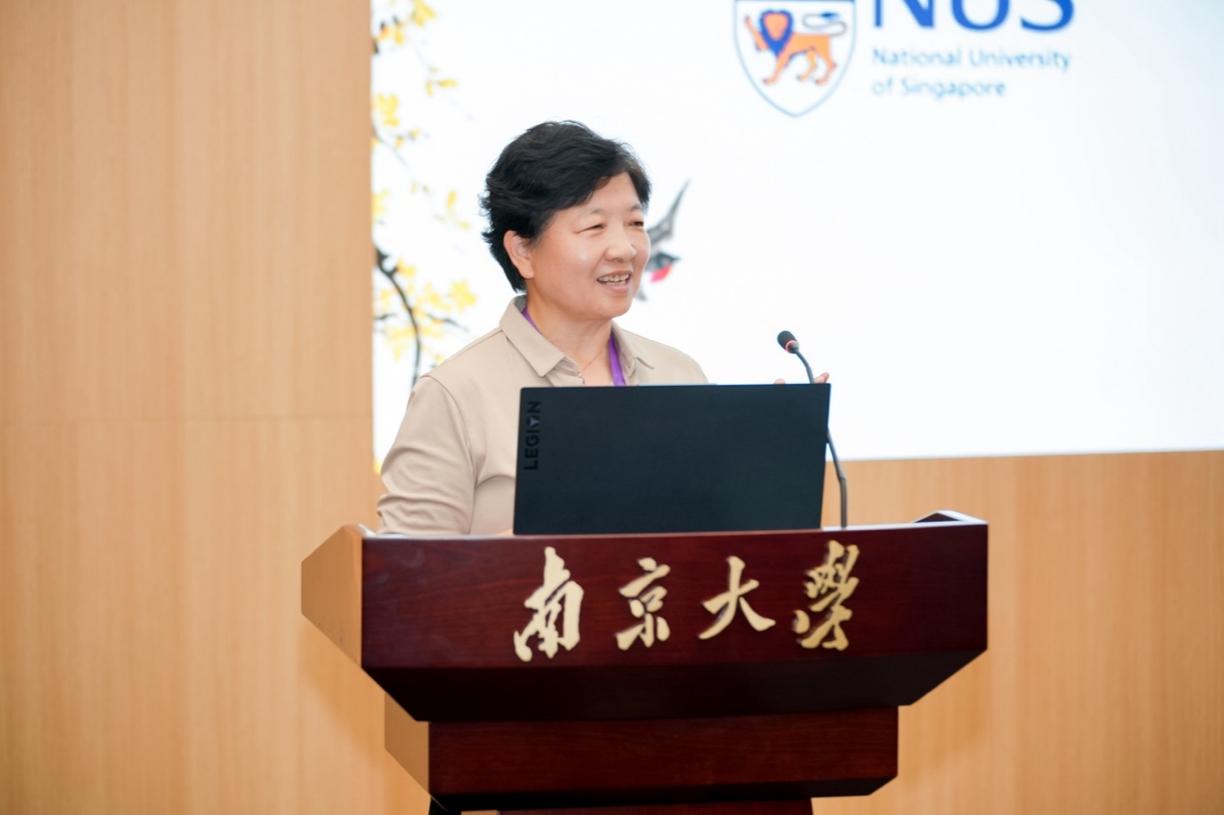
Professor Li Juanzi from the Department of Computer Science and Technology at Tsinghua University, on behalf of the NExT++ Joint Research Center, extended a warm welcome to the domestic and international guests attending the event and expressed sincere gratitude to Nanjing University, the organizing faculty, and the volunteers. She reviewed the development history and recent progress of the NExT++ workshop and wished the workshop complete success.
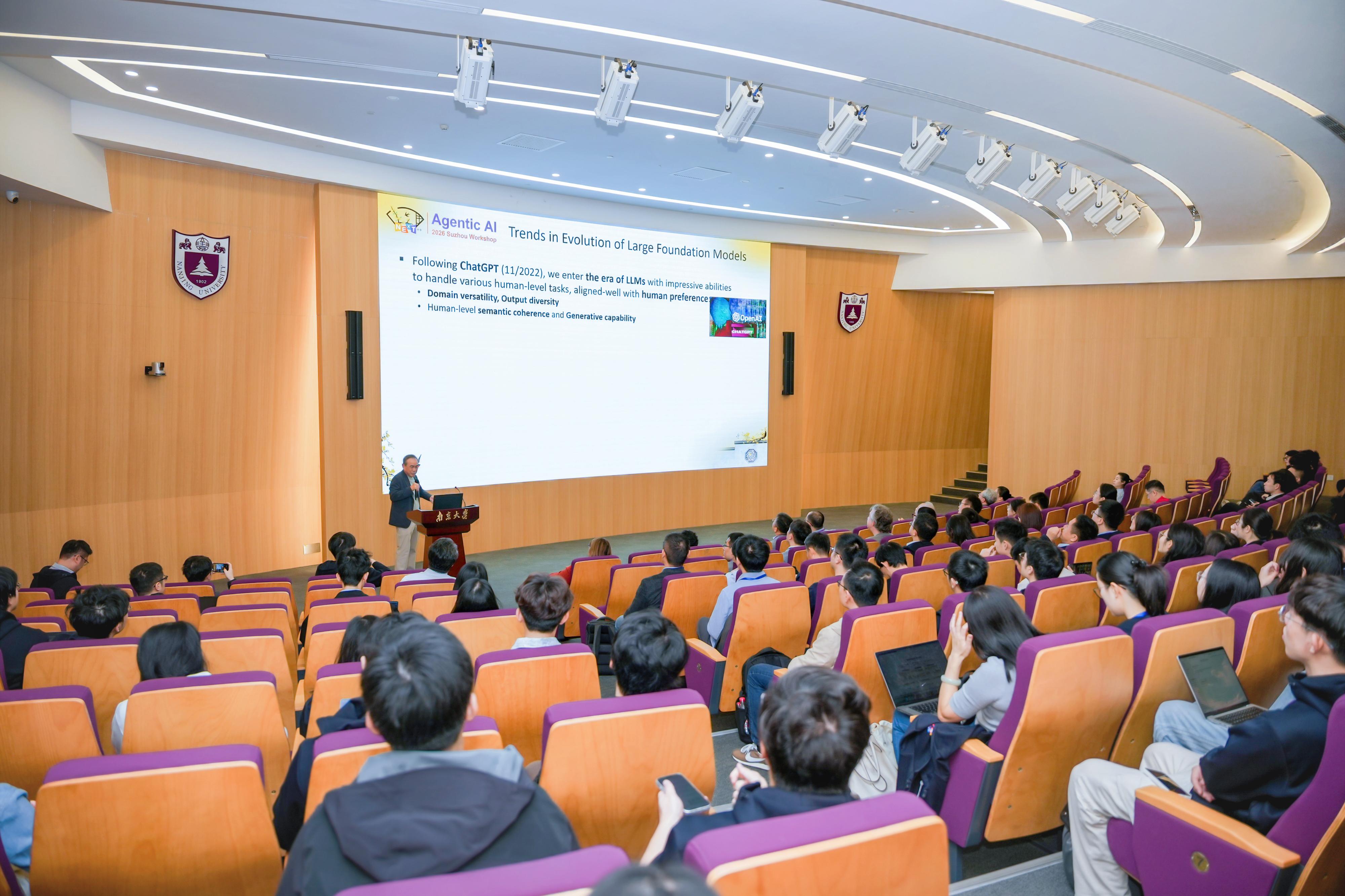
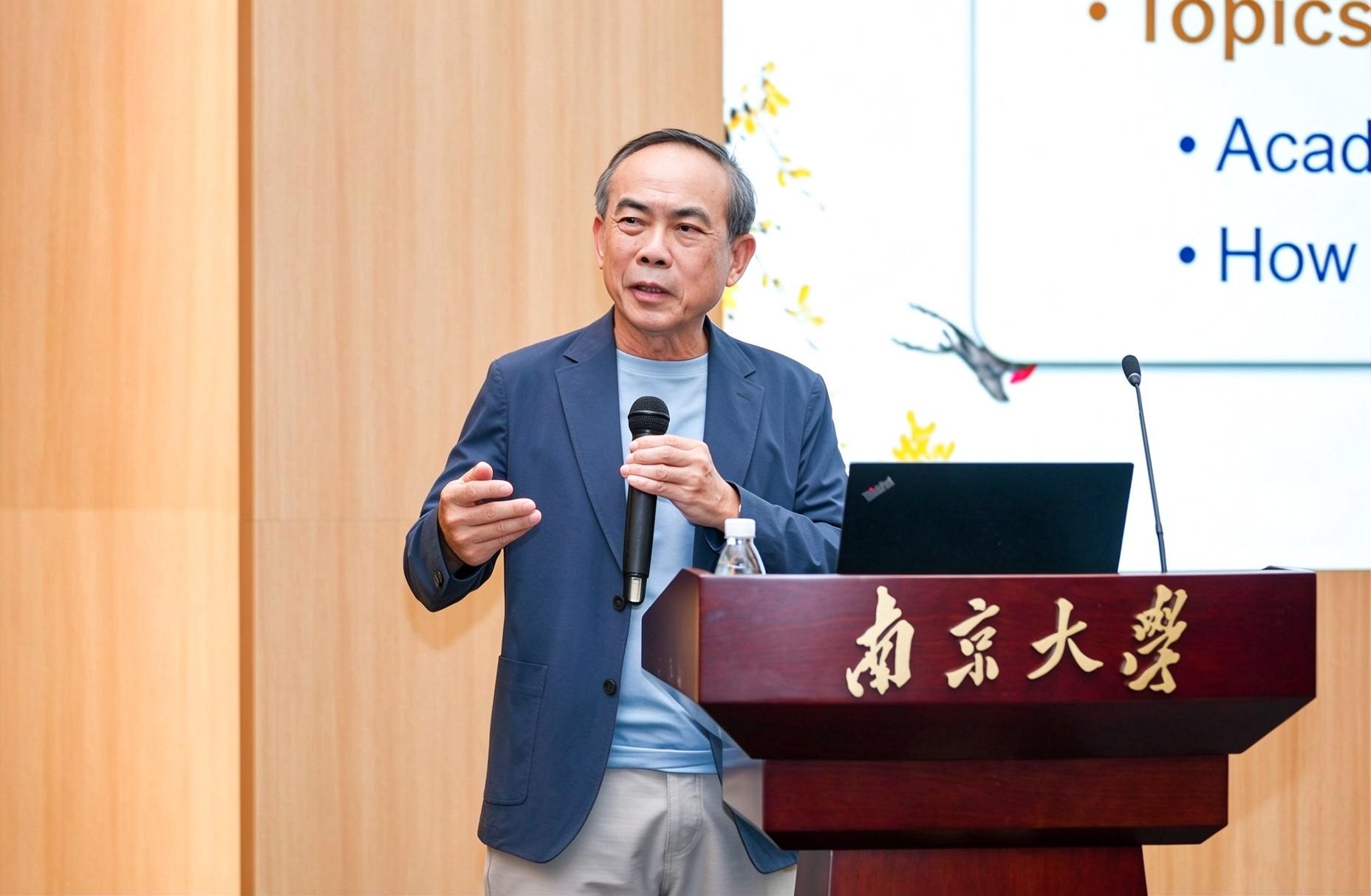
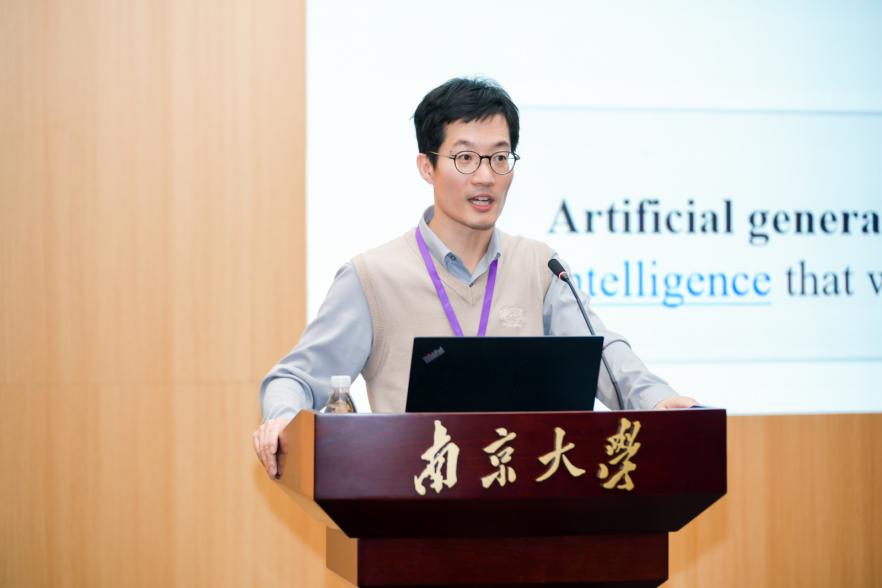
Professor Chua Tat-Seng, Fellow of the Singapore National Academy of Science and professor at the School of Computing, National University of Singapore, introduced the overall context of the forum and delivered a keynote report on "The Latest Developments in Agentic AI," systematically reviewing the development history of artificial intelligence, the technological evolution of foundation models, and future research directions. He pointed out that with the continuous development of large language models such as ChatGPT, DeepSeek, and Claude, scale expansion driven by data and computing power has continued to push model capabilities forward, and artificial intelligence is profoundly changing the way knowledge is acquired and applied. However, as the development of frontier foundation models becomes increasingly concentrated in industry, academia also needs to rethink its own research positioning and further explore new directions with long-term research value. Focusing on the future development directions of artificial intelligence, he highlighted key challenges in multimodal understanding, safety, and trustworthiness. In terms of multimodal understanding, relying solely on text for cross-modal alignment has limitations and struggles to fully represent complex information such as 3D spatial structures and motion trajectories. In terms of safety, models need to adapt to dynamically changing domain rules and human value requirements across different application scenarios. In terms of trustworthiness, goal coordination and task decomposition in multi-agent collaboration, as well as reliable interaction in non-cooperative environments, still require in-depth study. These issues not only bear on the further enhancement of AI system capabilities but also open broad space for fundamental and frontier research in academia. He emphasized that even without directly participating in the training of ultra-large-scale foundation models, academia can still play an important role in multi-agent systems, trustworthy artificial intelligence, and safety mechanisms. He noted that just as personal computers popularized computing power and the Internet made information retrieval more convenient, artificial intelligence in the future is expected to further lower the threshold for knowledge acquisition and application, enabling knowledge to serve individuals and society more broadly.
Professor See-Kiong Ng (NUS School of Computing) chaired the session on "End-to-End AI Safety." Three experts—Hu Xia (Shanghai AI Lab), Prof. Liu Yiqun (Tsinghua University), and Asst. Prof. Ma Yunshan (Singapore Management University)—gave thematic talks on key issues, technical challenges, and future directions in AI safety.
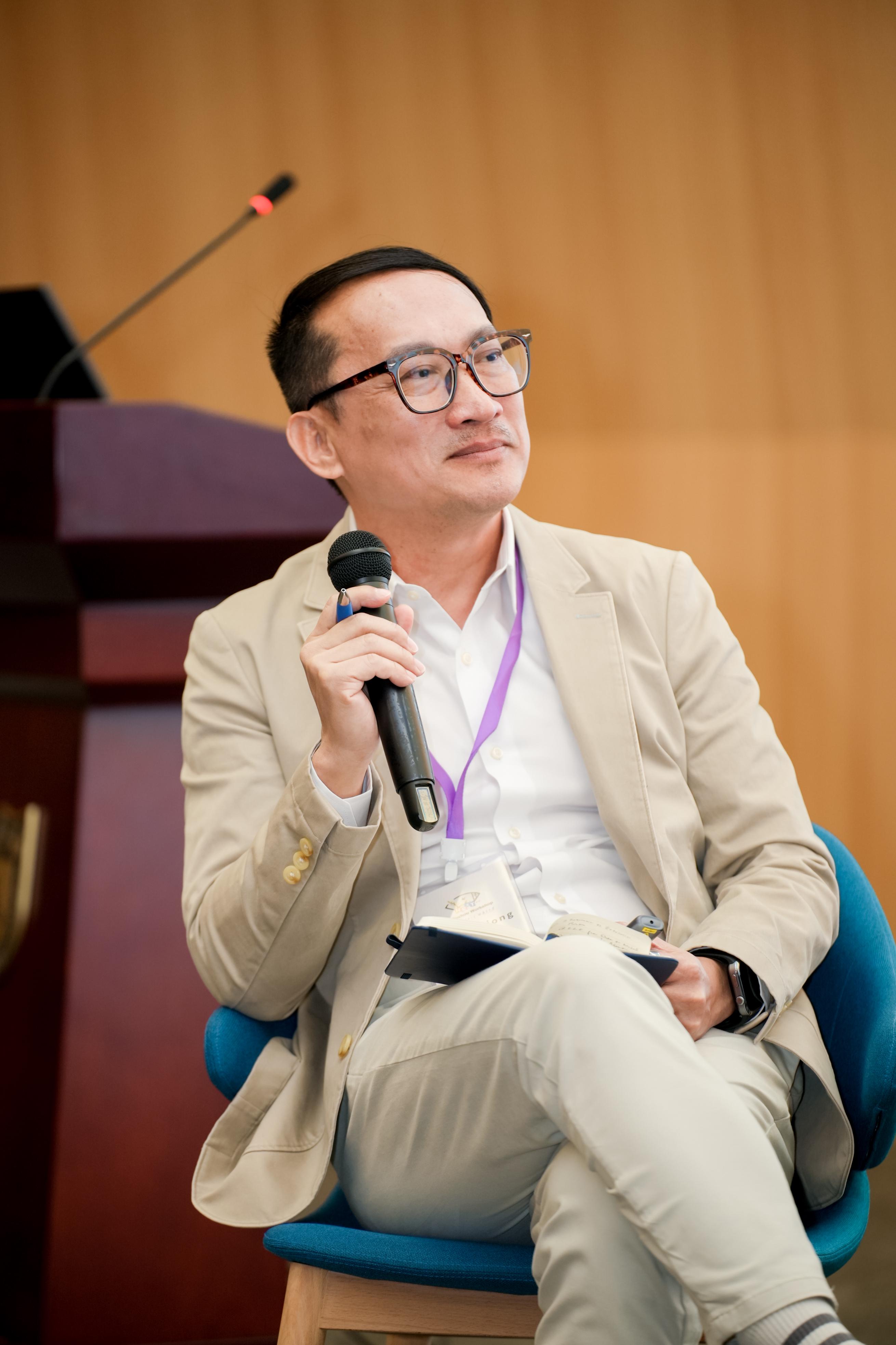
Hu Xia discussed the new security challenges brought by the development of large language models and agents around the theme of "End-to-End Agent Security." He pointed out that artificial intelligence is gradually moving from conversational interaction, as represented by ChatGPT, toward agents with autonomous planning, task execution, and tool-calling capabilities. As system autonomy continues to increase and frontier directions such as recursive self-improvement (RSI) are explored, AI safety issues are taking on more complex characteristics. From the perspective of risk sources, AI safety issues can be divided into intrinsic risks and extrinsic risks: the former originate from the limitations of the model itself, including hallucinations, insufficient interpretability, and unpredictable model behavior and values; the latter come from the misuse of powerful model capabilities—for example, AI may lower the threshold for acquiring expertise in high-risk fields such as chemistry, making potential harm easier to carry out. In response to these challenges, he further explored research pathways for improving AI safety from the data and model levels. At the data level, although model capabilities are highly dependent on data, data scale does not directly equal data value; how to efficiently transform massive data into high-quality reinforcement learning signals is an important topic for improving safety capabilities. At the model level, he further proposed research directions such as building an intrinsic safety architecture, achieving recursive safety improvement (ReSI) by continuously discovering new risks and repairing models, and addressing the knowledge decoupling problem caused by the deep coupling of general knowledge and harmful knowledge. Looking toward the agent era, he emphasized that agents' autonomous planning and tool-calling capabilities mean that both model defects and external malicious use may further affect the real world. Therefore, safety research needs to run through the entire lifecycle of data, models, and agents, so as to establish reliable safety guarantees for more powerful and autonomous AI systems.
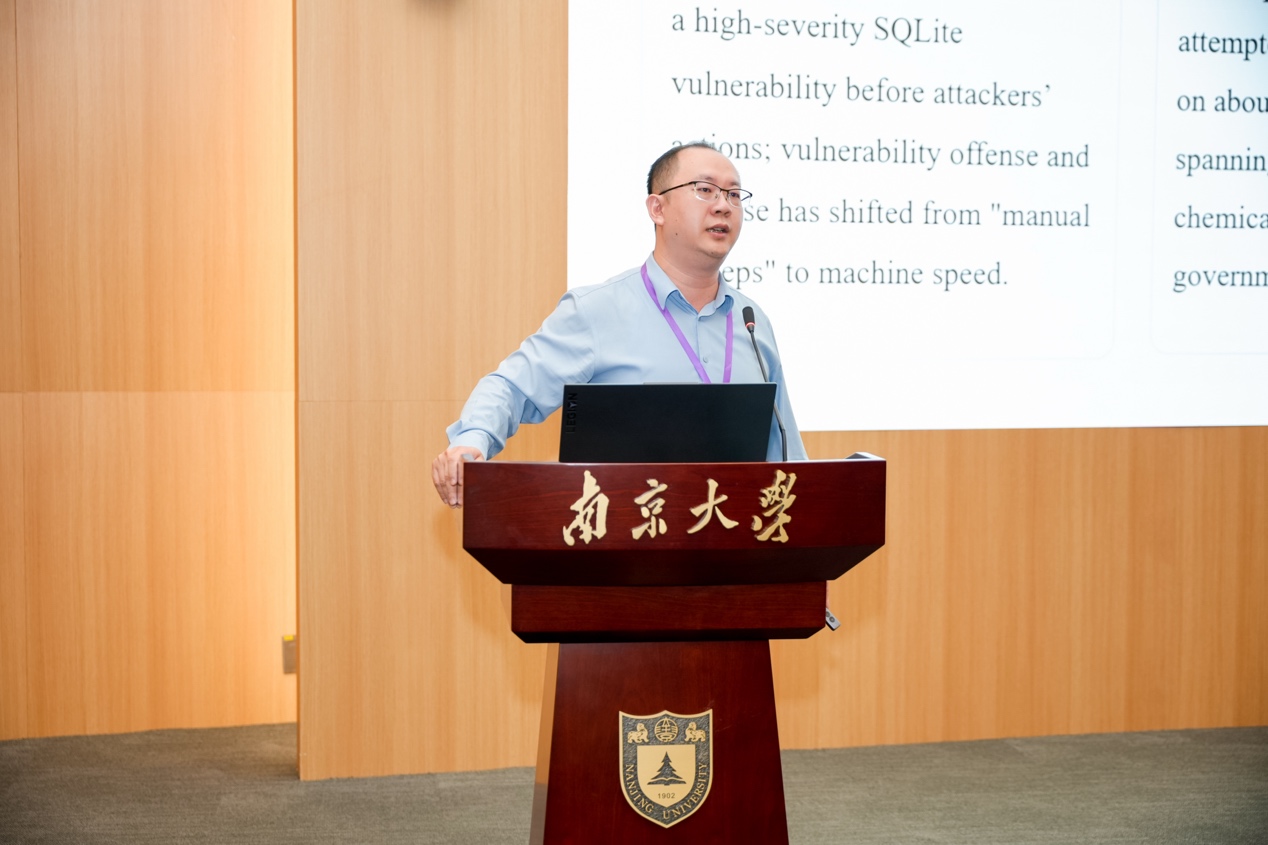
Liu Yiqun delivered a keynote report on "Dynamic Evaluation of Large Model Value Alignment," focusing on the challenges facing AI safety evaluation and related research progress. He pointed out that with the continuous expansion of large language model application scenarios, traditional static test sets and evaluation methods based on fixed questions are no longer sufficient to fully cover complex and dynamic real-world application environments. Differences among countries and regions in cultural backgrounds, social norms, and governance requirements also place higher demands on the value alignment and safety evaluation of large models. In response to these issues, existing research is gradually shifting toward scenario-based evaluation methods. Taking the CHIEF LLM Ideological Safety Evaluation System as an example, he introduced the design of an automated ideological safety evaluation platform. The system covers processes such as test question generation, question quality inspection, model response acquisition, LLM-as-a-Judge-based automatic evaluation, and evaluation result analysis. By changing scenarios, contexts, and expressions, it can construct diverse test samples to examine model response performance under different situations. He further pointed out that current large models still have shortcomings in complex context understanding, implicit risk identification, and cross-lingual value alignment. Future safety evaluation needs to fully consider the cultural backgrounds and institutional norms of different regions and incorporate governance throughout training data, evaluation benchmarks, model deployment, and continuous supervision, so as to promote the development of more reliable AI systems adapted to specific social contexts.
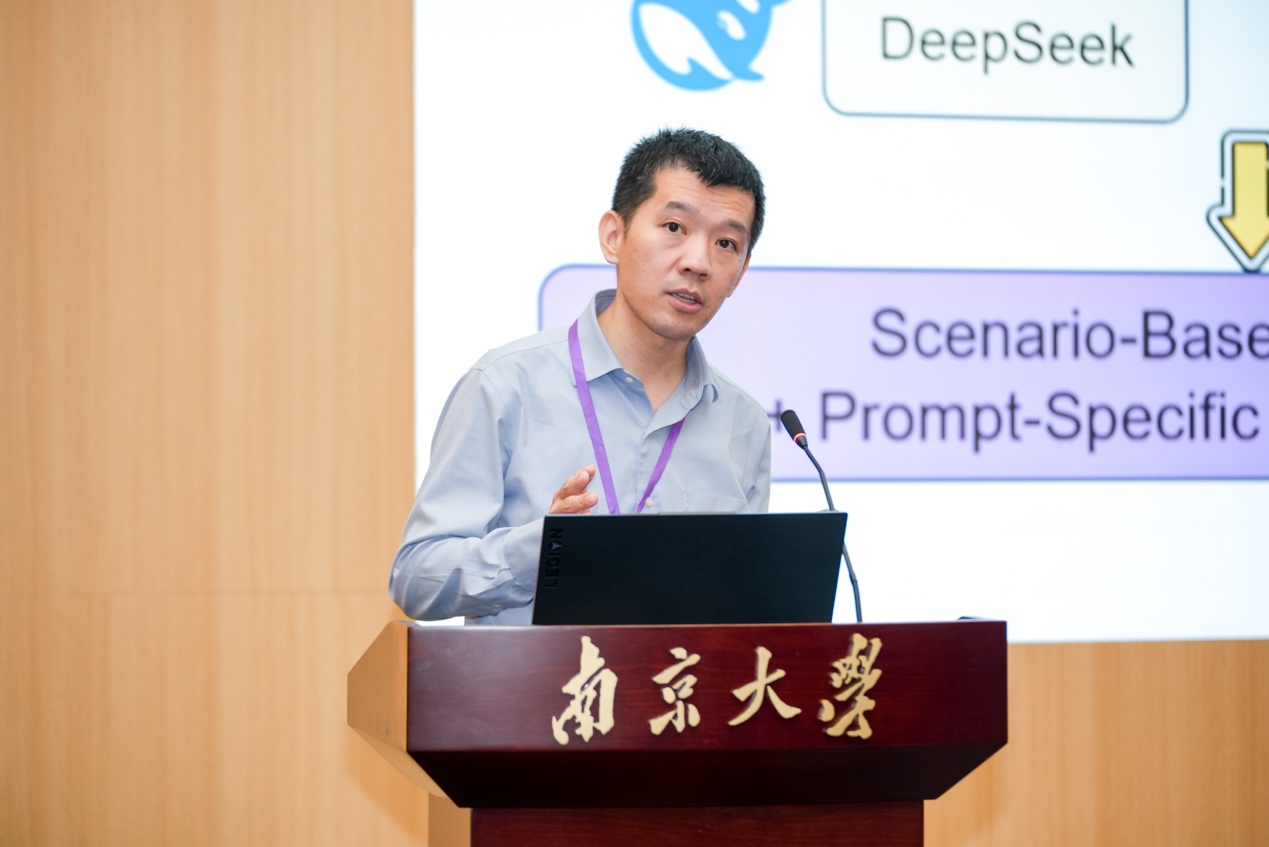
Ma Yunshan gave a talk titled "Language Models for Cybersecurity: From Threat Intelligence Analysis to Agent-Based Penetration Testing," emphasizing that applying AI to cybersecurity is a future trend.
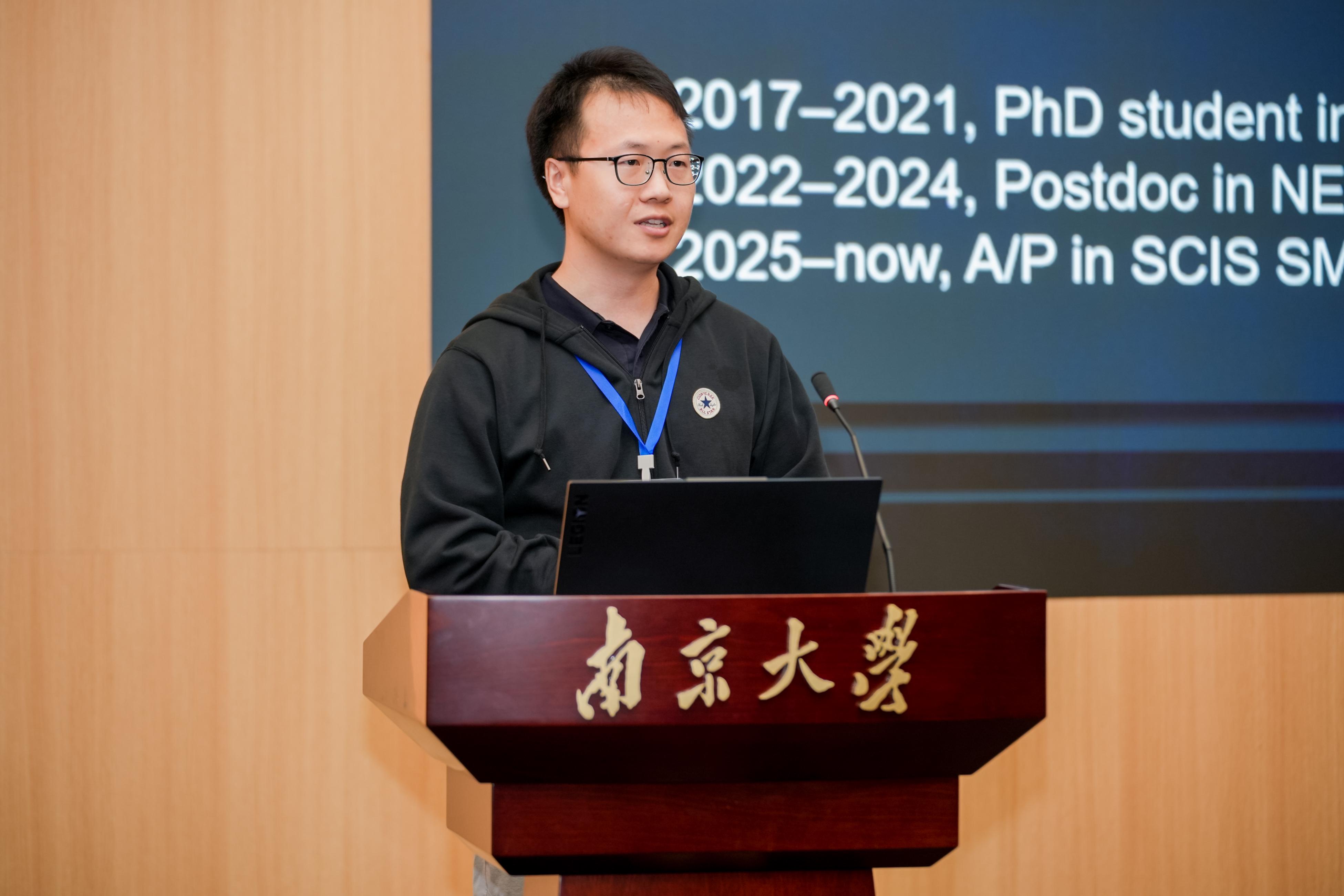
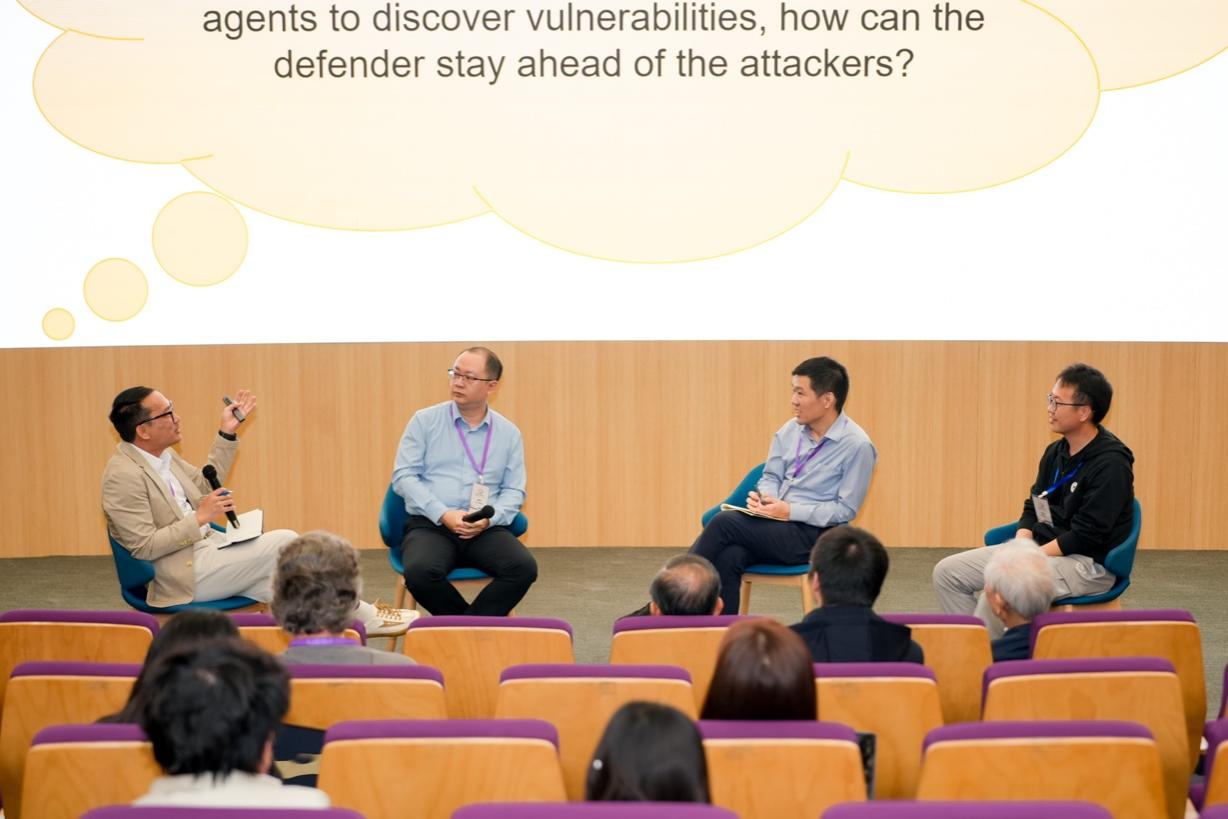
Following this, See-Kiong Ng moderated a roundtable discussion with Hu Xia, Liu Yiqun, and Ma Yunshan on the core challenges and future development of AI safety. The panel focused on the relationship between AI safety and traditional cybersecurity, the unique security vulnerabilities of AI systems and their challenges to existing security theories, and the security game when both attackers and defenders leverage AI technologies. In addition, the guests exchanged views on whether current benchmarks can accurately reflect the security risks of AI systems in real-world scenarios, and how to establish a more comprehensive and reliable evaluation system for model and system safety.
In the Ph.D. Student and Postdoctoral Researcher Report and Open Discussion session, doctoral students and postdoctoral researchers from the National University of Singapore, Tsinghua University, Nanjing University, and other universities engaged in in-depth exchanges on frontier issues in artificial intelligence. The young researchers held group discussions on key scientific questions and technological development trends in areas such as foundational capabilities (models and training), agents, AI safety, human-computer interaction, and AI+X (domain applications). This session provided a platform for in-depth cross-institutional and cross-disciplinary exchange among young researchers from different universities, fostering the collision of academic ideas and offering new perspectives for exploring future research directions in artificial intelligence.Professor Chua Tat-Seng chaired the special session. Professor Wendy Hall (University of Southampton, Fellow of the Royal Society) and Professor Hu Bin (Beijing Institute of Technology) attended and exchanged views with the participants.
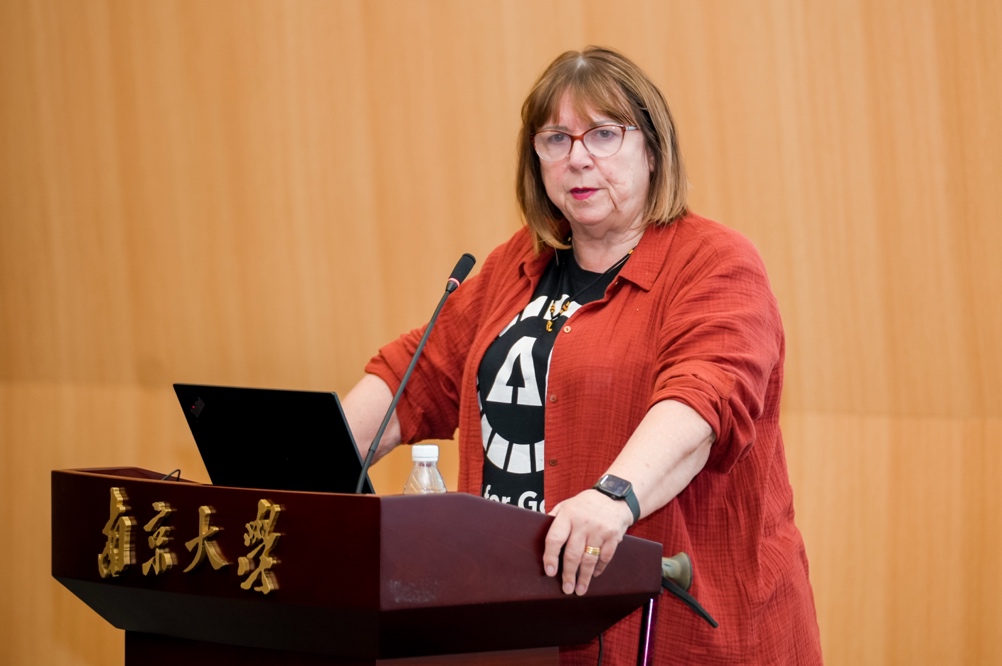
Wendy Hall delivered a keynote report on "Sovereign AI and Its Challenges," exploring key governance issues in AI development from the perspectives of technological autonomy, data governance, and international cooperation. She pointed out that with the development of large language models, multi-agent systems have shown new application potential in reasoning, collaboration, and negotiation, but at the same time, the increasing autonomy of agents has also brought new security challenges. Regarding sovereign AI, she emphasized that its core lies in ensuring that countries, enterprises, and research institutions can effectively control the AI systems they use, involving multiple aspects such as underlying infrastructure, data storage and processing, legal regulation, governance mechanisms, and language and cultural adaptation. As AI becomes increasingly embedded in economic and social development, the importance of model service availability, data sovereignty and information security, and technological autonomy continues to grow. On global AI governance, she reviewed related efforts such as the UK Bletchley Park AI Safety Summit and the United Nations High-Level Advisory Body on AI, emphasizing that AI safety involves cross-border and cross-domain common challenges that are difficult to solve independently by any single country or enterprise. She argued that, on the basis of respecting different countries' development paths and governance needs, it is necessary to further promote AI safety evaluation, technical standard-setting, and third-party assessment mechanisms, strengthen international experience sharing and collaborative cooperation, and advance the development of AI technologies that serve the global community in a safer, more trustworthy, and more equitable manner.
Professor He Xiangnan from the School of Artificial Intelligence and Data Science at the University of Science and Technology of China chaired the thematic session on "Agentic AI." Three experts—Assistant Professor Yao Yuan from the School of Artificial Intelligence at Tsinghua University, Assistant Professor Feng Tao from the Academy of Arts & Design at Tsinghua University, and Associate Professor Ai Qingyao from the Department of Computer Science and Technology at Tsinghua University—delivered reports on the existing challenges and future development trends in areas such as Agentic AI and continual learning.
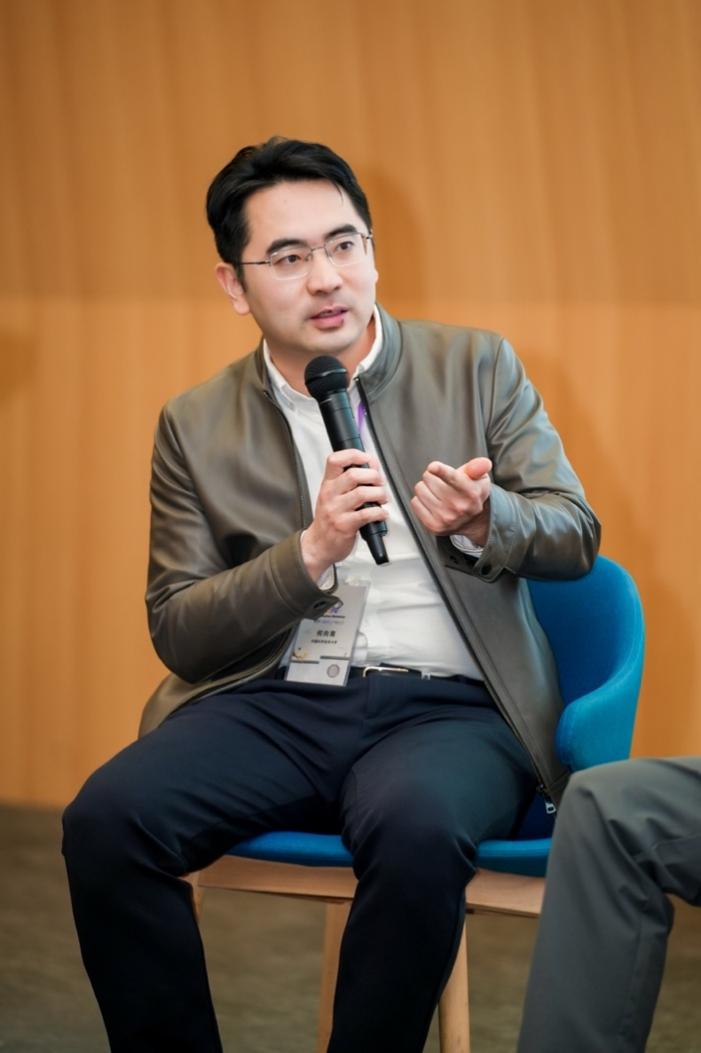
Yao Yuan gave a talk titled "Toward Human-Like Interactive Agent Foundation Models," emphasizing that the key to AGI is not just cognitive intelligence, but making interaction a native model capability—enabling natural, dynamic human-machine collaboration through richer context and higher-bandwidth interaction.
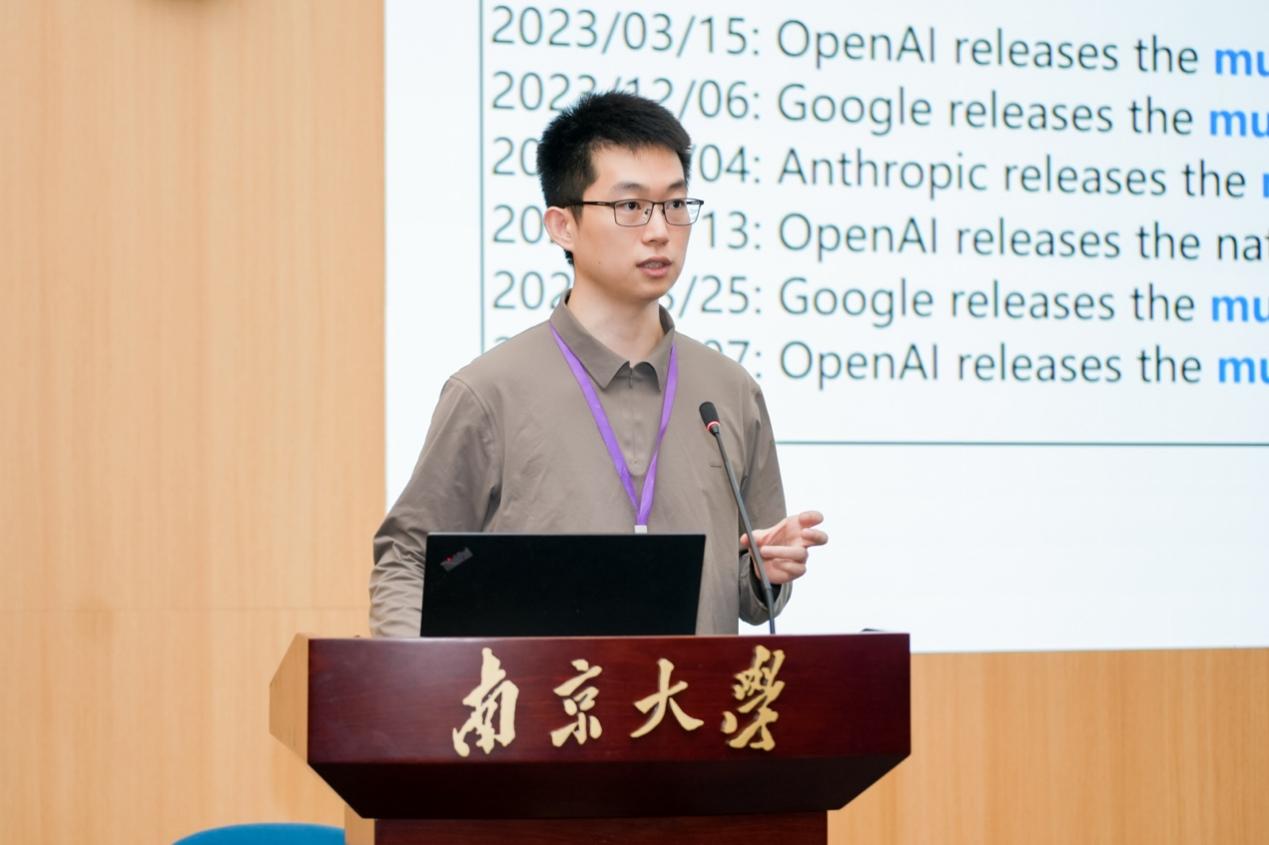
Feng Tao gave a talk on "The Evolution of Continual Learning," noting that continual learning is key to AGI. Using GUI agents as an example, he analyzed knowledge forgetting in cross-platform tasks and discussed how to retain existing capabilities while adapting to new tasks and environments.
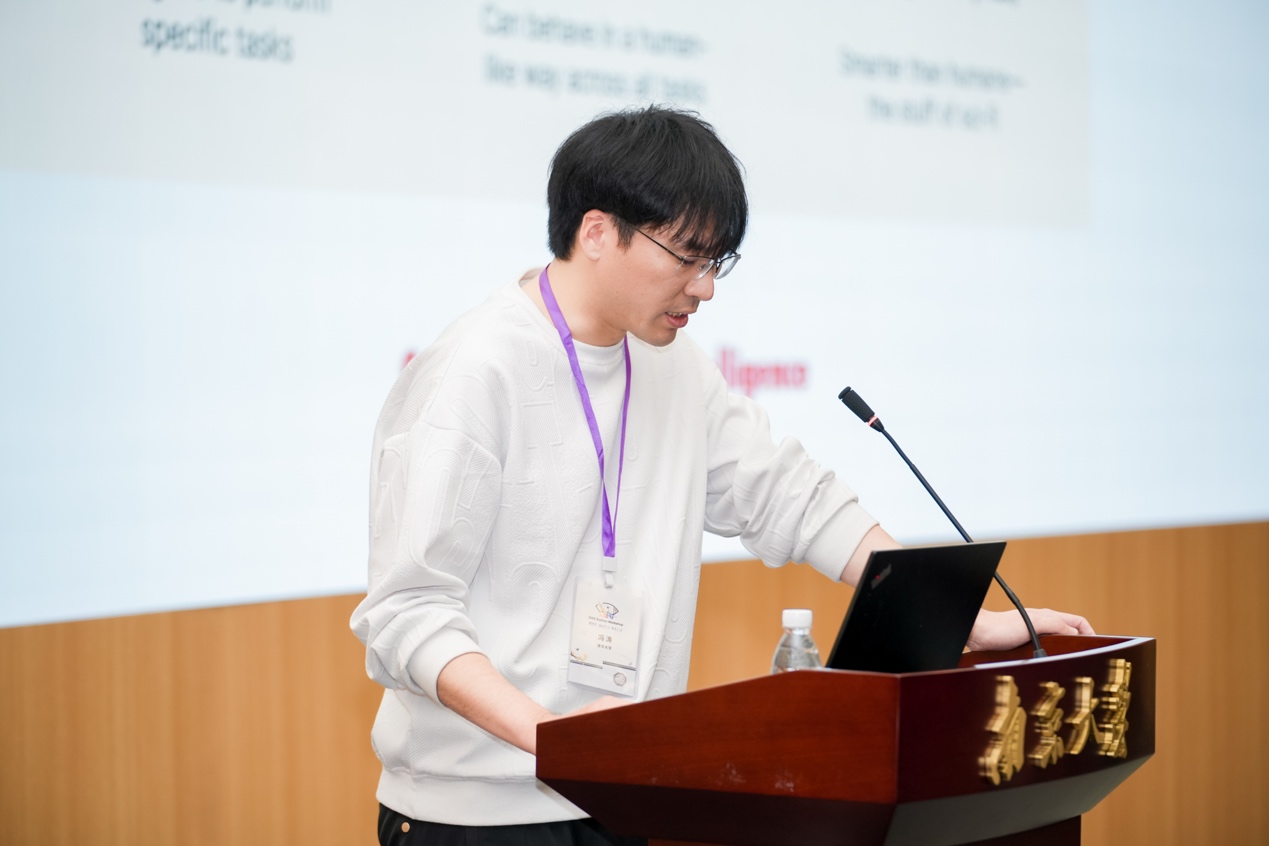
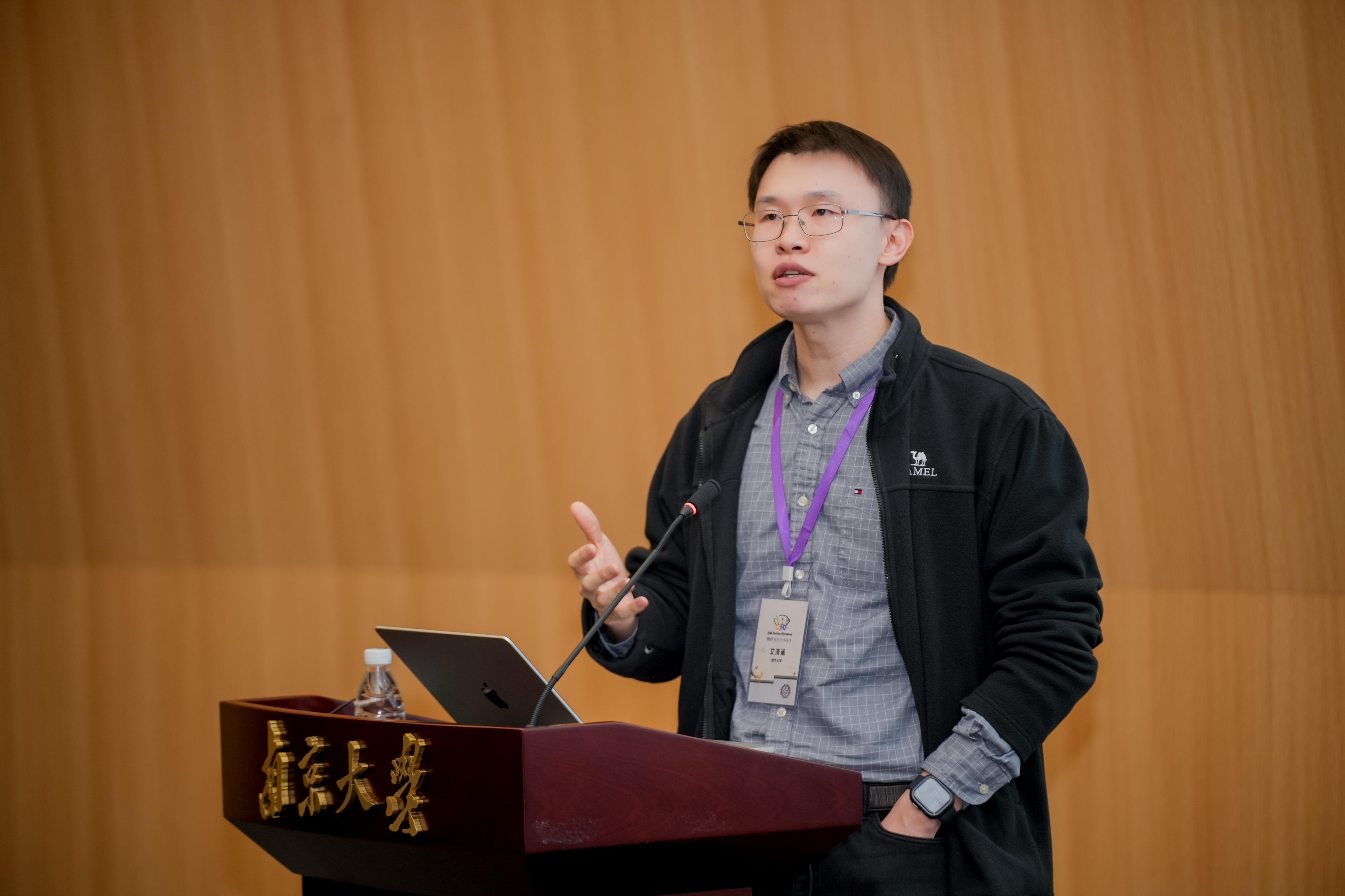
Ai Qingyao gave a talk titled "Beyond Retraining: Toward Continual Learning for Agents." He noted that while Agent Memory research has produced diverse engineering designs and empirical evaluations, it still lacks systematic theoretical explanations of underlying mechanisms. Moreover, although agents can retrieve memory, they have not yet fully achieved continual learning and capability evolution from memory.
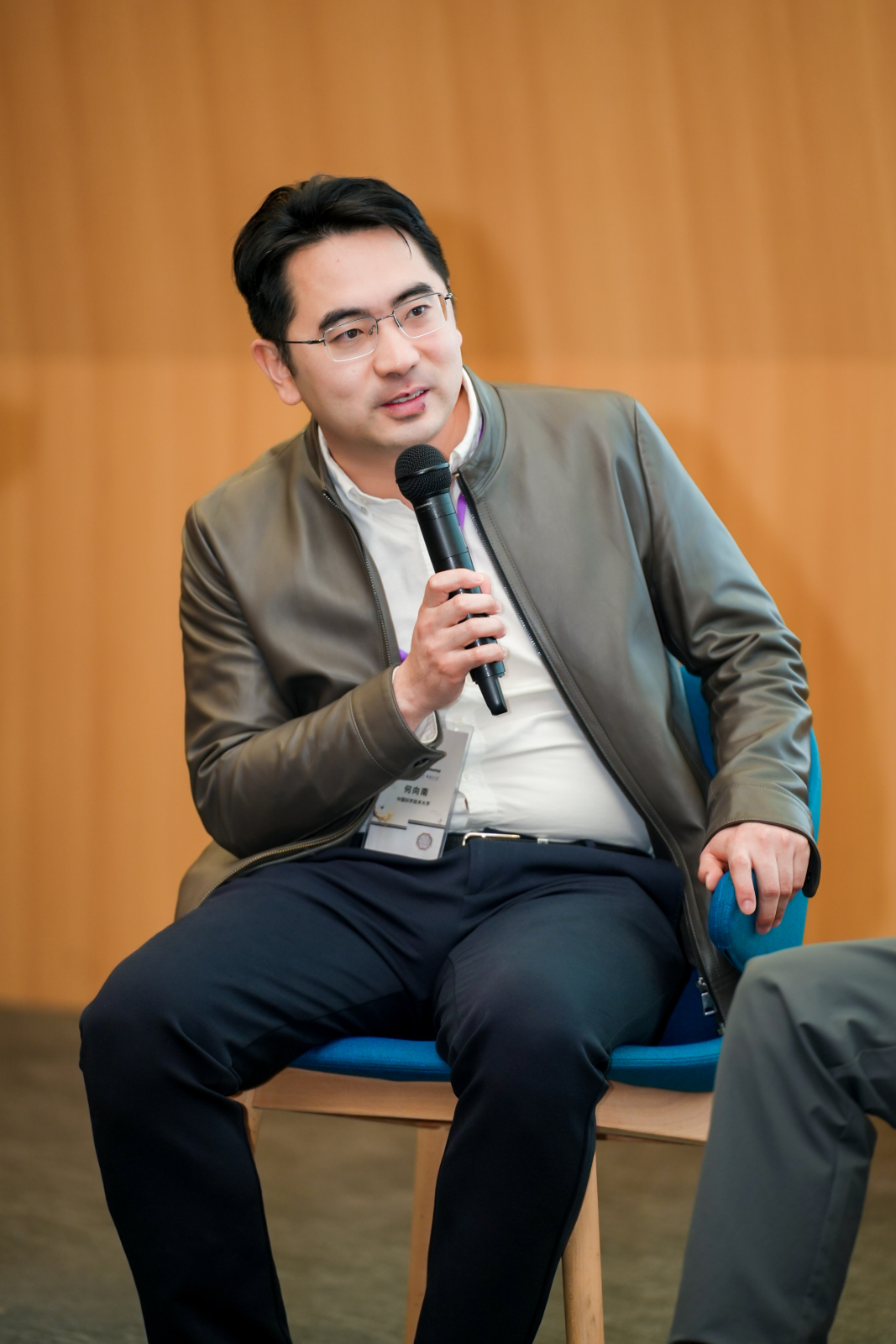
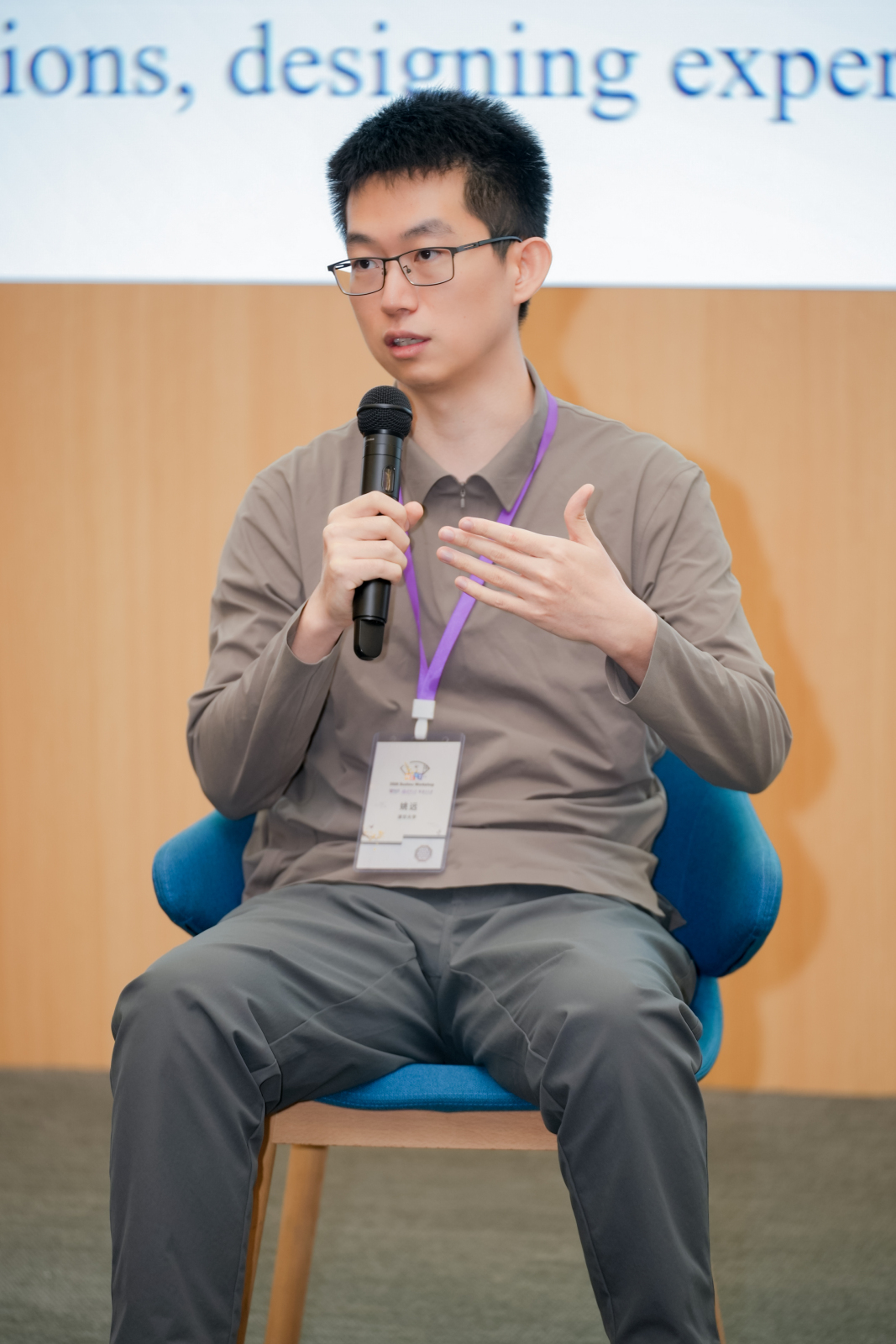
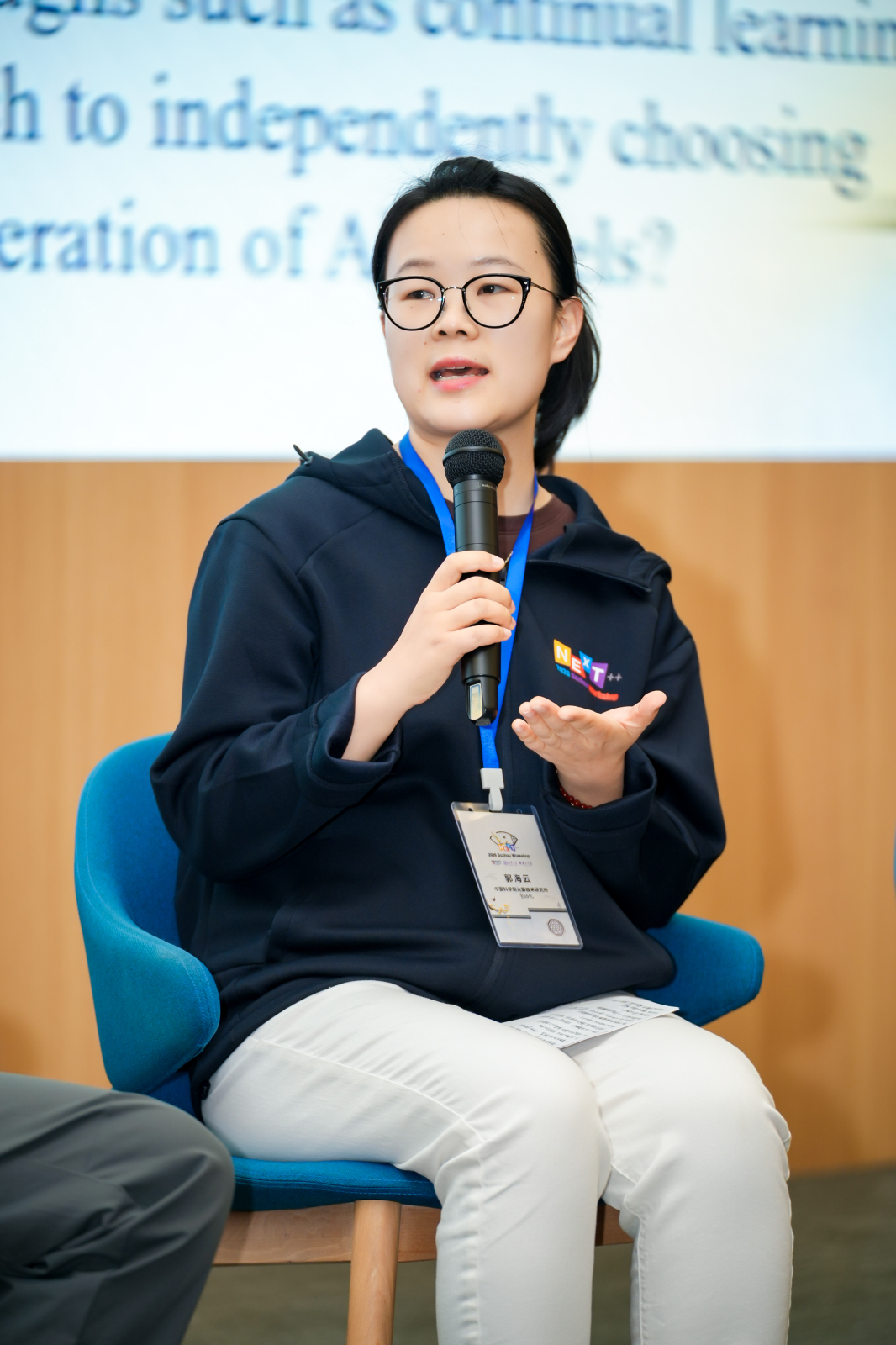
After the talks, He Xiangnan moderated a roundtable with Yao Yuan, Guo Haiyun (Institute of Automation, CAS), Ai Qingyao, and others on the future of agents. They discussed agent applications beyond programming, the evolution of pre-training and post-training paradigms, and the challenges of achieving long-term reliable autonomy for general-purpose personal agents. The panel also exchanged views on potential breakthroughs such as continual learning and the prospect of agents advancing from assisting research to conducting autonomous research—independently exploring directions and designing experiments—offering a forward look at agent technology.

On October 28, 2026, the "China–Southeast Asia Kerry Summit Forum & NUS NExT++ Suzhou Workshop" continued at Nanjing University Suzhou Campus. The second day's program focused on three themes—"AI and Education," "Embodied AI," and "Knowledge and AI Models"—featuring keynote reports, roundtable discussions, and academic poster sessions. Experts and scholars from over 40 domestic and international universities and industry, including the National University of Singapore, Tsinghua University, the University of Southampton, Zhejiang University, and Nanjing University, continued in-depth exchanges on frontier topics, jointly exploring the latest advances and future development directions of AI in educational innovation, embodied intelligence, and knowledge modeling, injecting new momentum into AI technology innovation, interdisciplinary integration, and talent cultivation.
Assistant Professor Yu Jifan from the School of Education at Tsinghua University chaired the thematic report session on "AI and Education." Professor Zhang Yu from the Institute of Education at Tsinghua University, Assistant Professor Liao Lizi from Singapore Management University, and Assistant Professor Ning Yilin from Duke-NUS Medical School shared their research and practices on topics including future education, AI learning companions, and medical education.
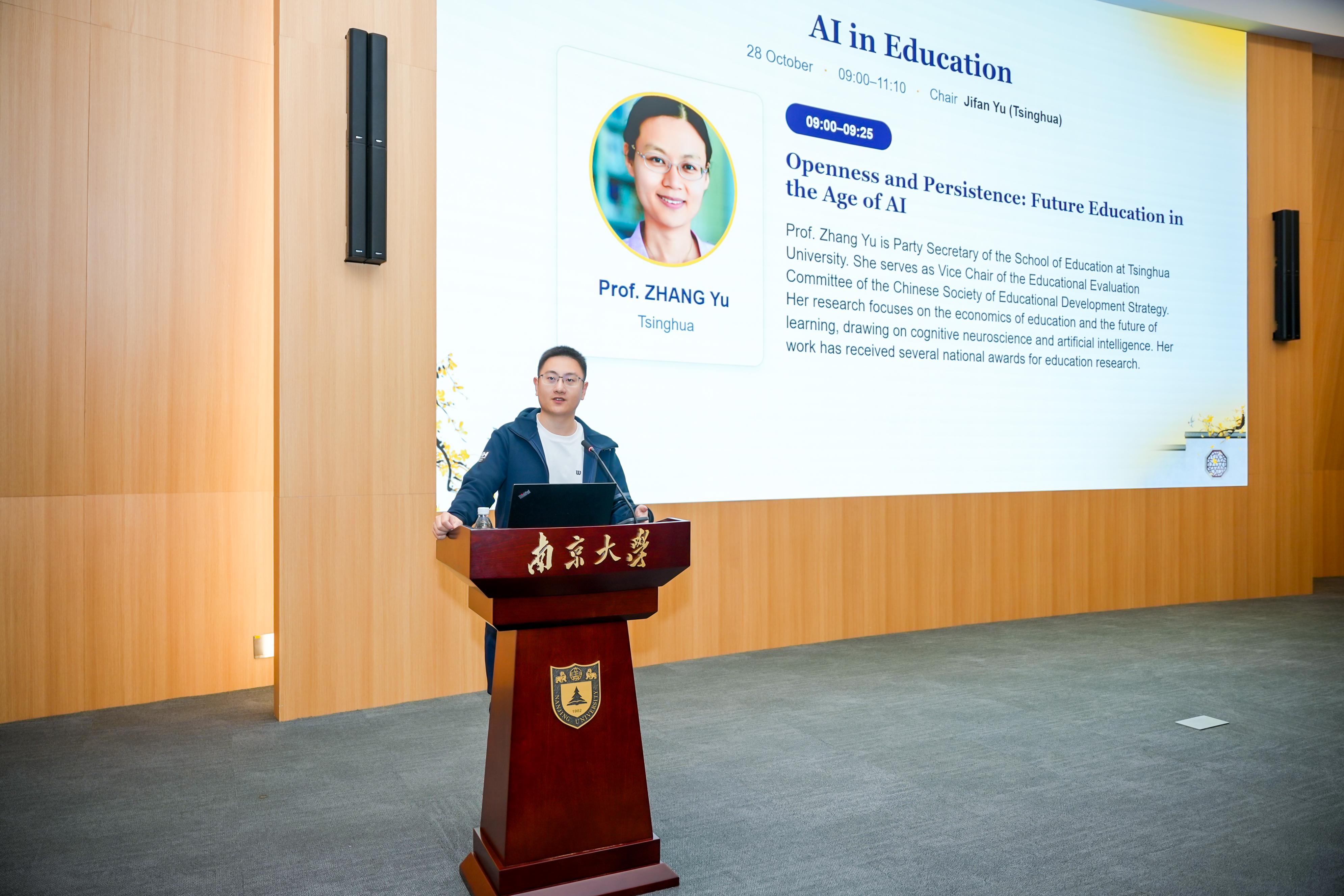
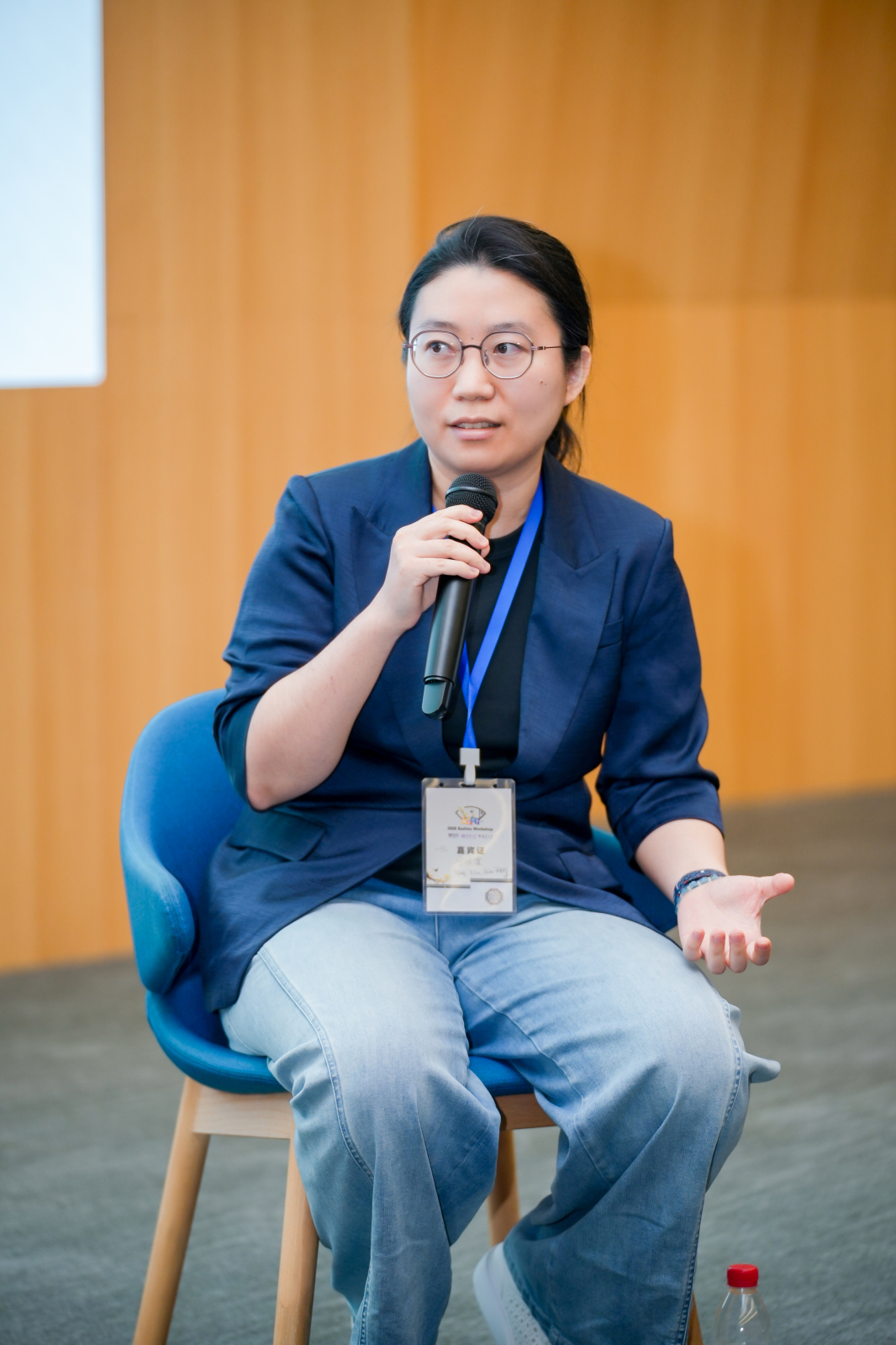
Zhang Yu delivered a keynote report titled "Openness and Persistence: Future Education in the AI Era," drawing on empirical research to analyze in depth what changes and what remains unchanged in education in the AI era. She pointed out that AI is currently widely replacing foundational tasks, causing junior talents to lose the opportunities to gain experience and become experts, which places education in a severe cognitive crisis and a gap in demand for high-level talent. In response, education must carefully distinguish between the performance of human-AI collaboration and genuine learning, and safeguard students' independent thinking ability, productive struggle, real interpersonal interaction, and subjectivity. In her report, she focused on introducing MAIC, a multi-agent interactive classroom platform jointly developed and open-sourced by the Institute of Education and the Department of Computer Science and Technology at Tsinghua University. The platform translates classic educational theories into system functions and has so far attracted 600,000 users from 150 countries worldwide, generating over one million courses. On this basis, she proposed the "APEX" teaching innovation model, which integrates self-paced learning, PBL collaboration, and closed-book self-testing, substantially improving students' learning autonomy, self-efficacy, and metacognitive abilities, while saving teachers 70% to 80% of lesson preparation time. Finally, she pointed out that in the future, a dual-track system should be built that combines AI-free assessment of foundational capabilities with AI-enabled assessment of human-AI collaboration, to help students construct solid cognitive schemas in intelligent environments.
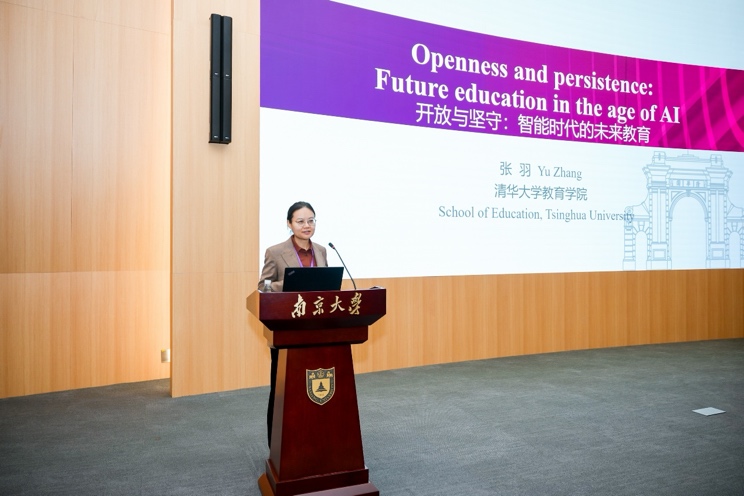
Liao Lizi gave a talk titled "Beyond Knowledge: What Proactive AI Companions Bring to Teaching," exploring how to build an intelligent education system that combines cognitive guidance with teacher-student connection, and sharing her approaches and practices for empowering teaching through proactive AI learning companions.
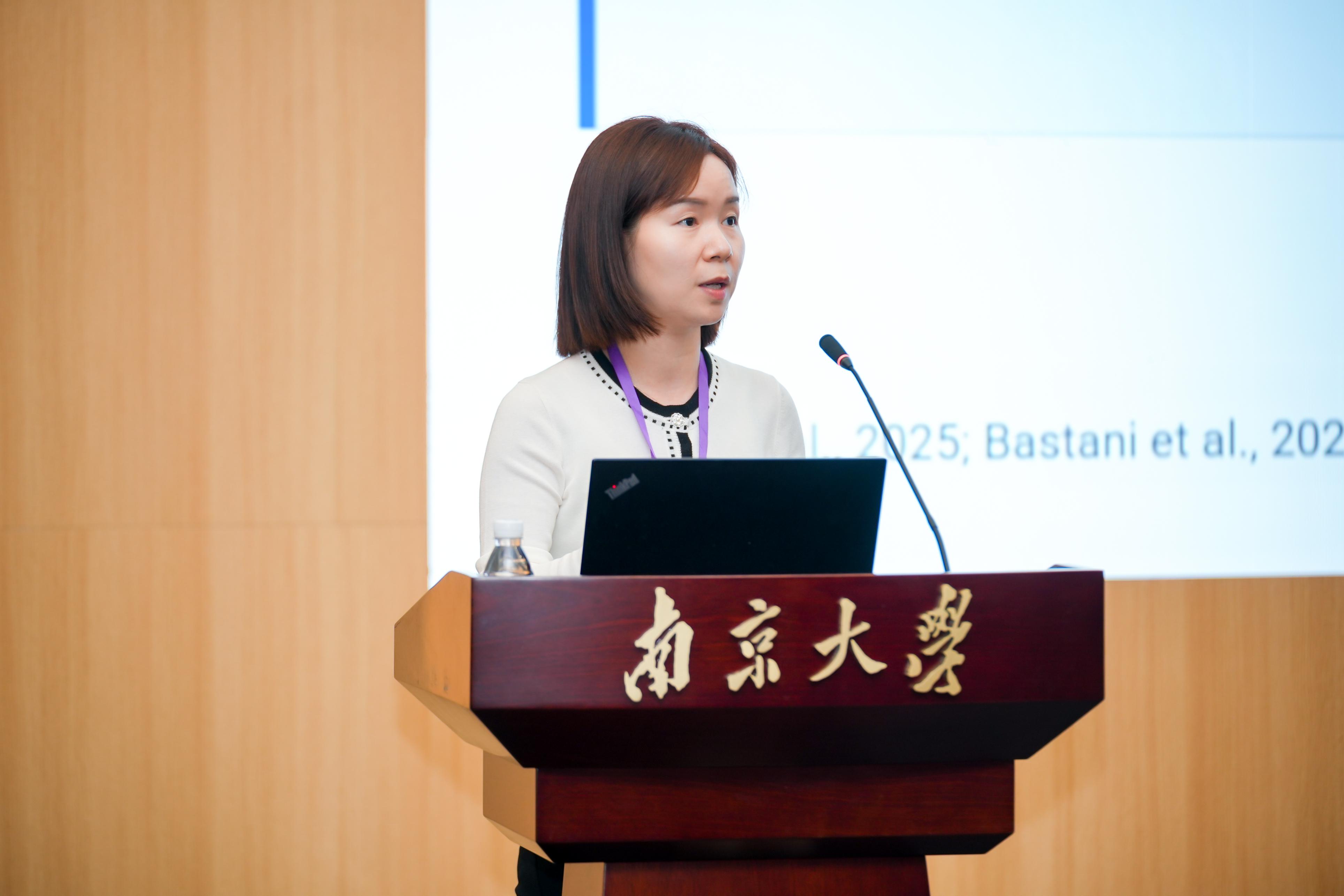
Ning Yilin gave a talk titled "AI-Empowered Medical Education: Opportunities, Skills, and Unintended Consequences," analyzing AI's potential in lesson plan generation, virtual standardized patient simulations, and clinical research training, while discussing the opportunities and challenges of integrating AI into medical education.
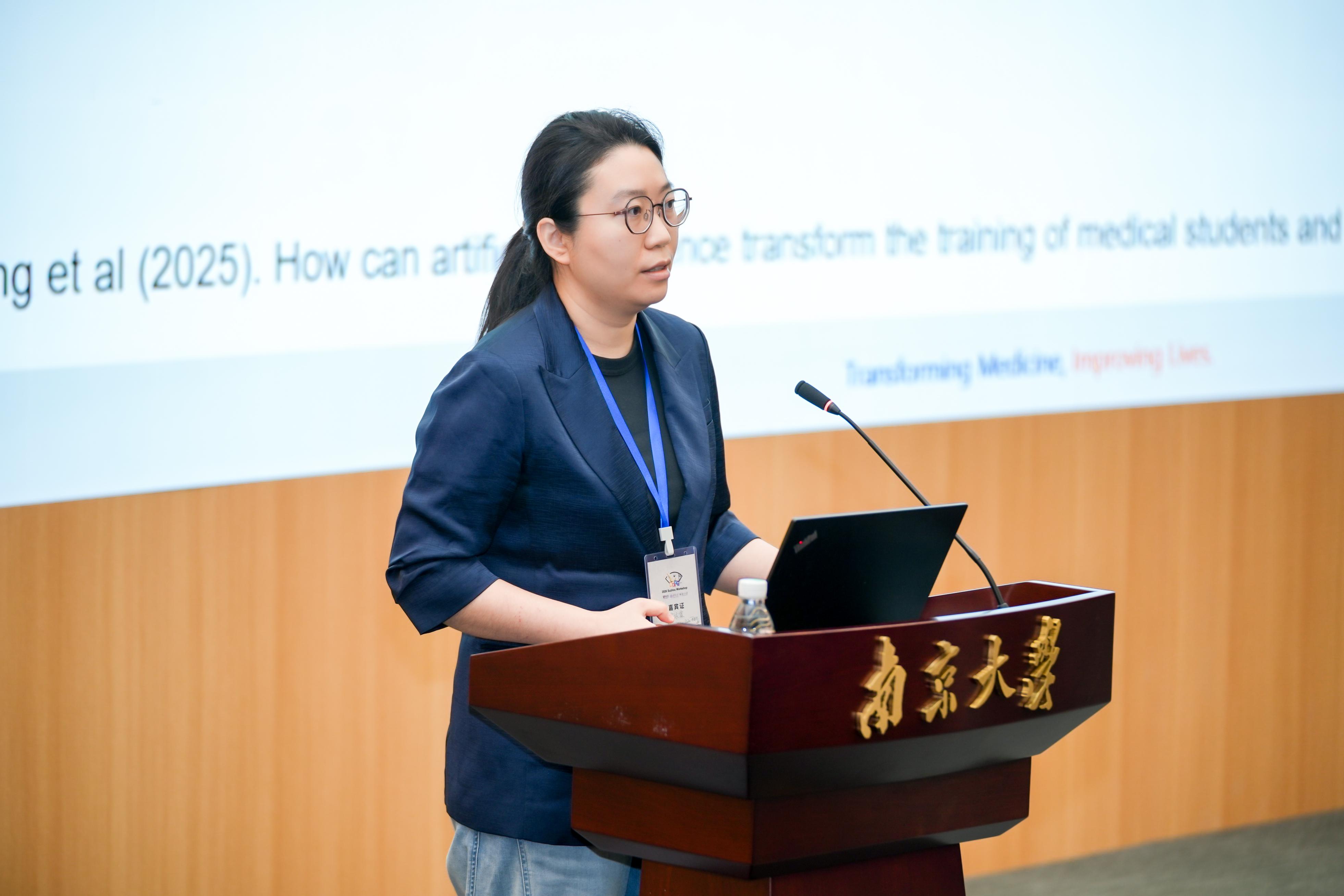
After the talks, Associate Professor Wang Hongning (Tsinghua University) moderated a roundtable with Zhang Yu, Liao Lizi, Ning Yilin, and others. The discussion covered the real bottlenecks in AI education implementation, new assessment mechanisms balancing foundational skills and human-AI collaboration, and how to define AI use boundaries, inspire student motivation, and develop critical evaluation of AI outputs in teaching practice.
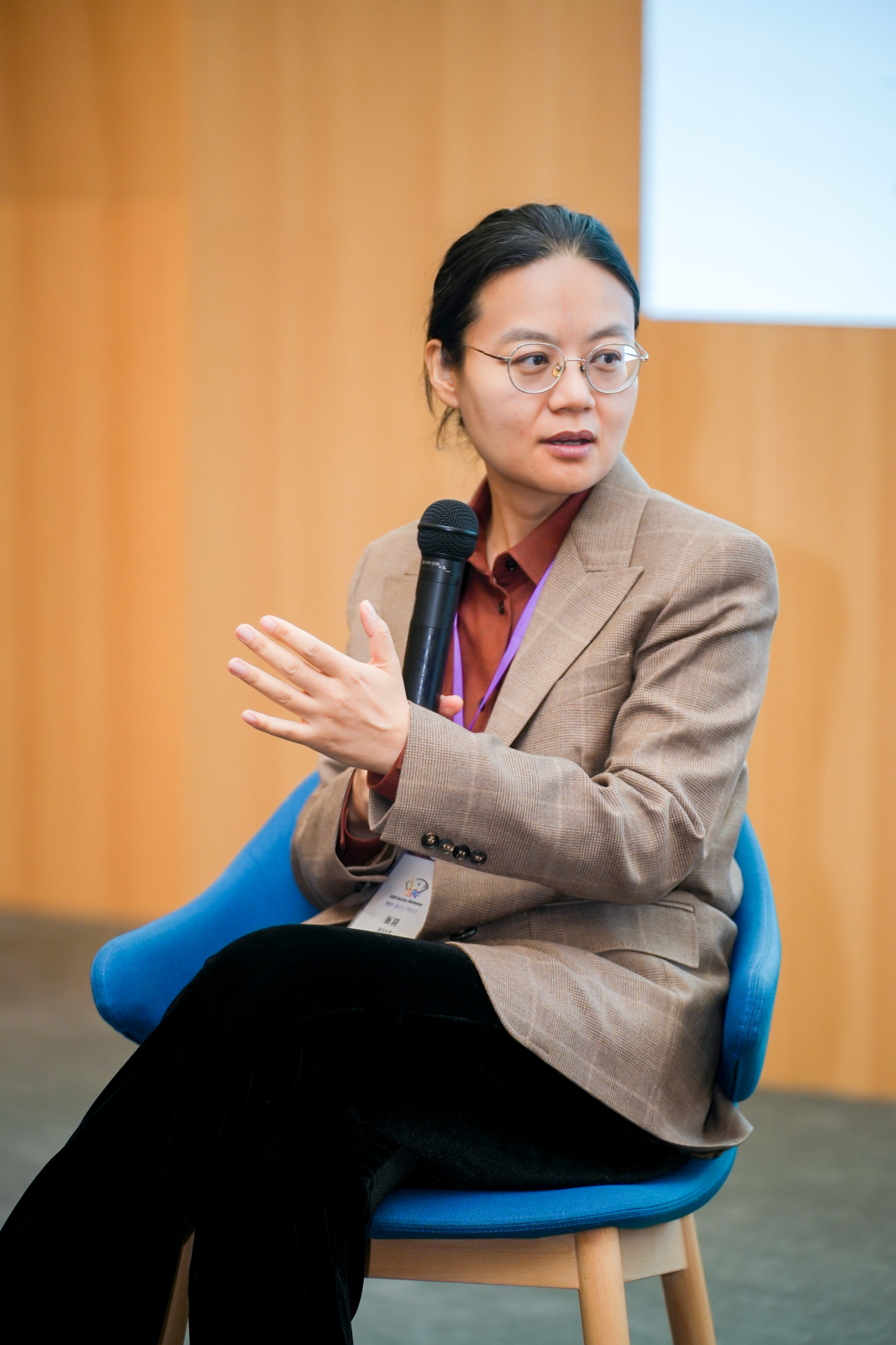
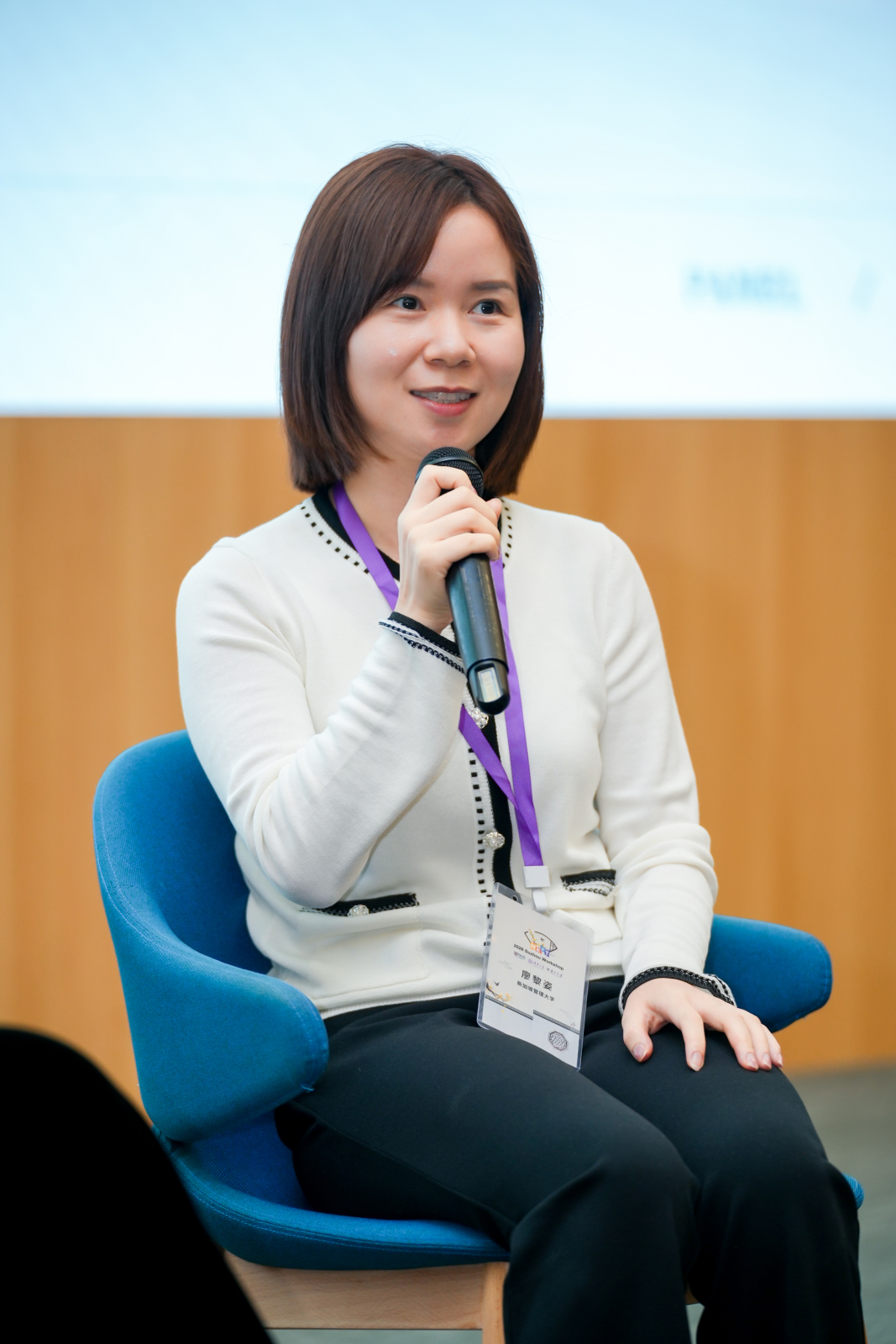
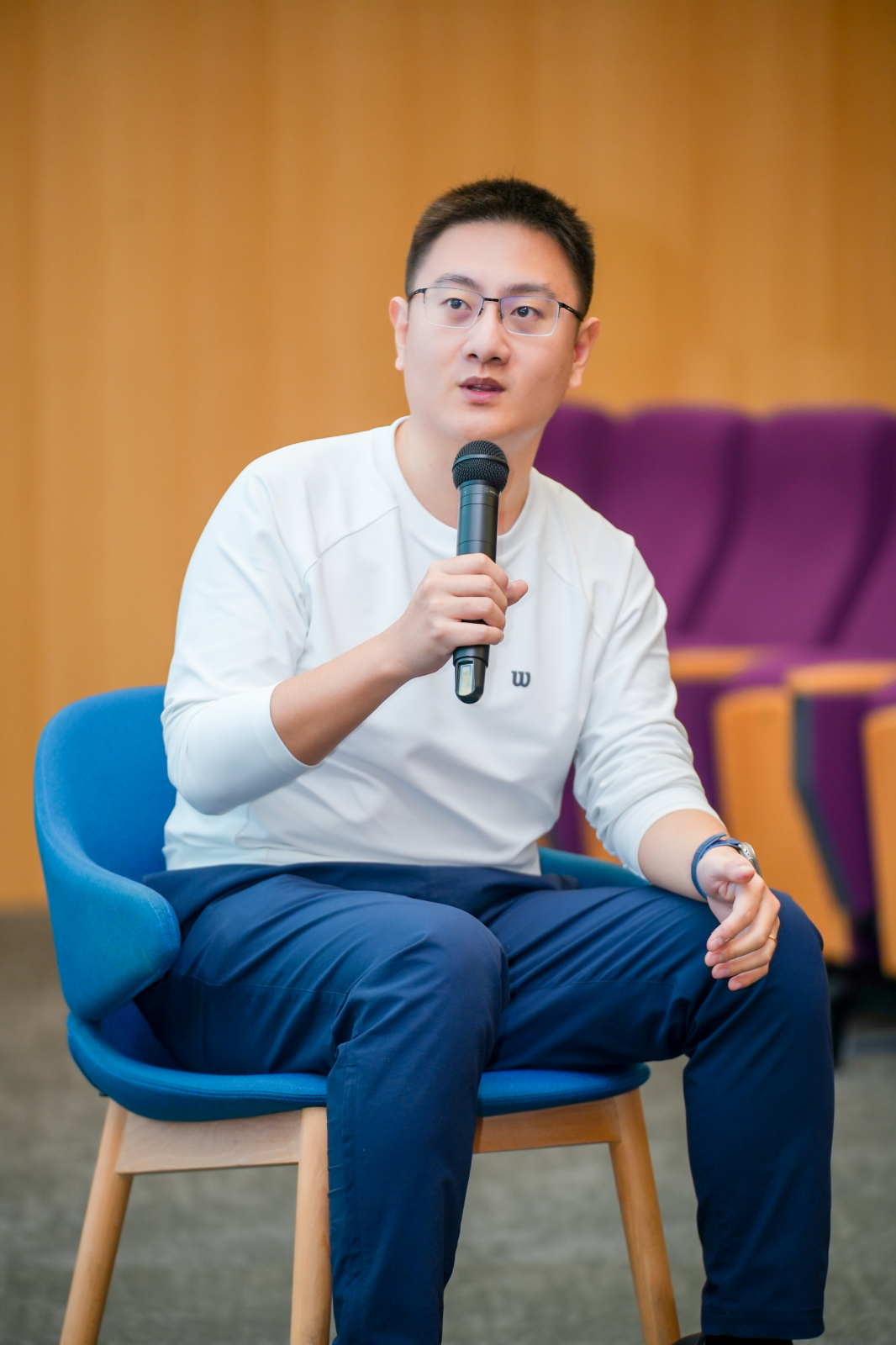
Professor Roger Zimmermann from the School of Computing at the National University of Singapore chaired the thematic report session on "Embodied AI." He recalled his visit to the National University of Singapore Suzhou Research Institute 13 years ago and welcomed the attending guests. He pointed out that large language models cannot yet solve all the problems in embodied intelligence, and that many issues in the application of robots to real-world tasks remain worth exploring. Centered on this theme, he introduced the report speakers and their research backgrounds, and invited the participating scholars to exchange views on related research progress. Three experts—Assistant Professor Zhou Daquan from the School of Electronic and Computer Engineering at Peking University, Professor Tang Siliang from the School of Artificial Intelligence at Zhejiang University, and Assistant Professor Ye Ziyi from the Institute of Trustworthy Embodied Intelligence at Fudan University—shared the latest advances in embodied intelligence.
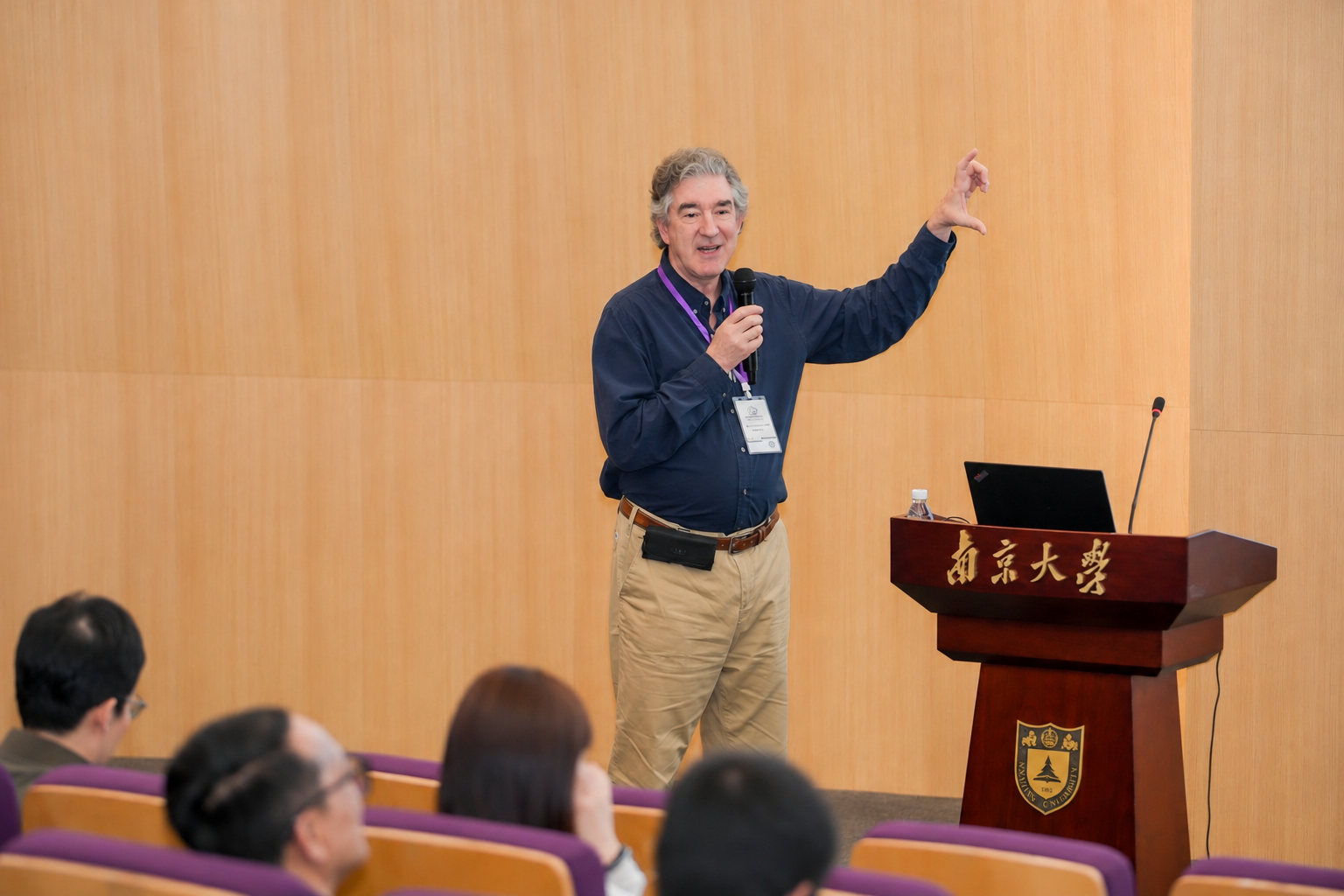
Zhou Daquan delivered a report titled "Scaling Laws for Embodied Models Based on Human Data." He shared his research exploring the use of large-scale human video data to enhance the capabilities of embodied models. He pointed out that the high success rates of existing models on specific tasks do not necessarily mean they possess reliable zero-shot generalization ability, and that general-purpose large language models still have limitations in manipulation skills and execution efficiency. Therefore, the development of embodied models requires not only expanding data scale but also improving the efficiency of data utilization and model scaling. Around this issue, he introduced a data construction pipeline that filters first-person data from internet videos, reconstructs hand movements, extracts manipulation trajectories, and generates fine-grained descriptions, as well as a training data generation method that combines simulation and video generation models while maintaining multi-view consistency. Through model training and robot manipulation case studies, he demonstrated the potential of human videos and generated data in improving generalization ability, execution efficiency, and robustness to interference.
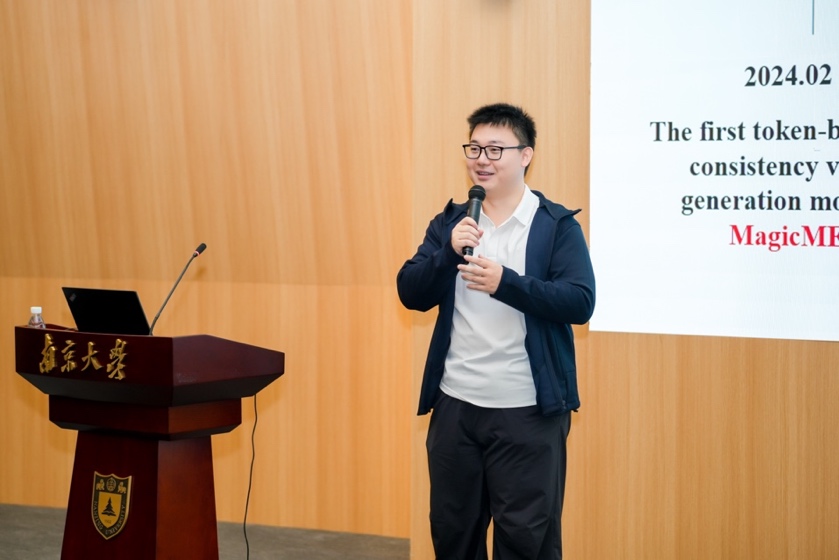
Tang Siliang delivered a report titled "Beyond Body and Mind: From Adapting to the World to Reshaping the World," exploring the role of actively transforming the environment in the development of embodied intelligence. He pointed out that existing research mainly focuses on enhancing robots' physical capabilities and model intelligence, while the environment is often treated as a fixed and passive background. In reality, the environment is not only an "adversary" that robots must deal with during learning, but can also serve as an extension of cognition and a resource that can be actively transformed. By organizing objects, using tools, and adjusting task conditions, robots can reduce manipulation difficulty and environmental uncertainty, and compensate for the limitations of their own hardware capabilities. On this basis, he introduced an environment-driven recursive self-improvement approach and, combining research on human motion data construction, behavioral controllability evaluation, procedural navigation error correction, and interactive 3D scenes, discussed how to form a continuous cycle of exploration, execution, feedback, and improvement, enabling robots to continuously enhance their capabilities in the process of transforming the environment.
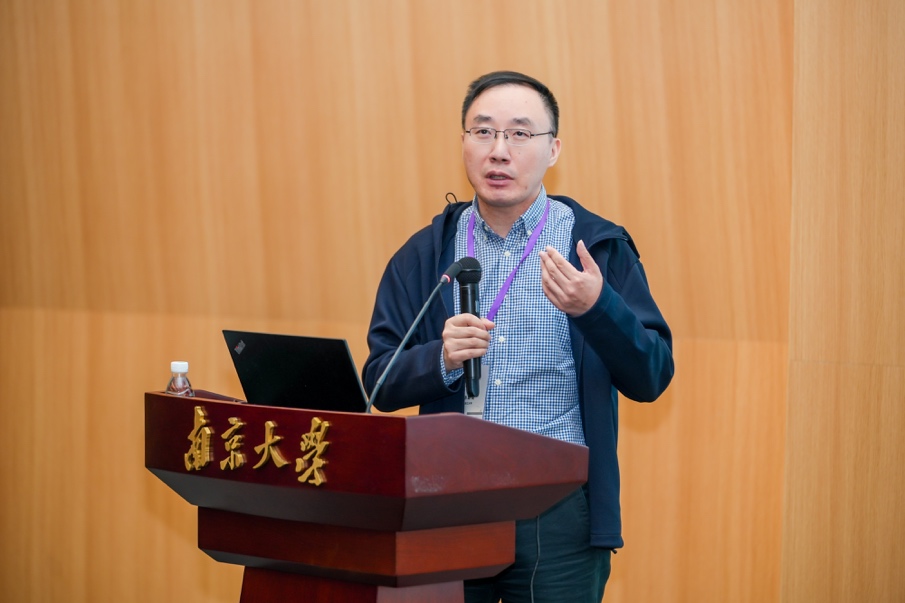
Ye Ziyi gave a talk titled "Embodied Intelligence: Perception, Learning, and Reasoning for Fine Manipulation," sharing advances in multimodal perception, interactive learning, and reasoning for fine robotic manipulation.
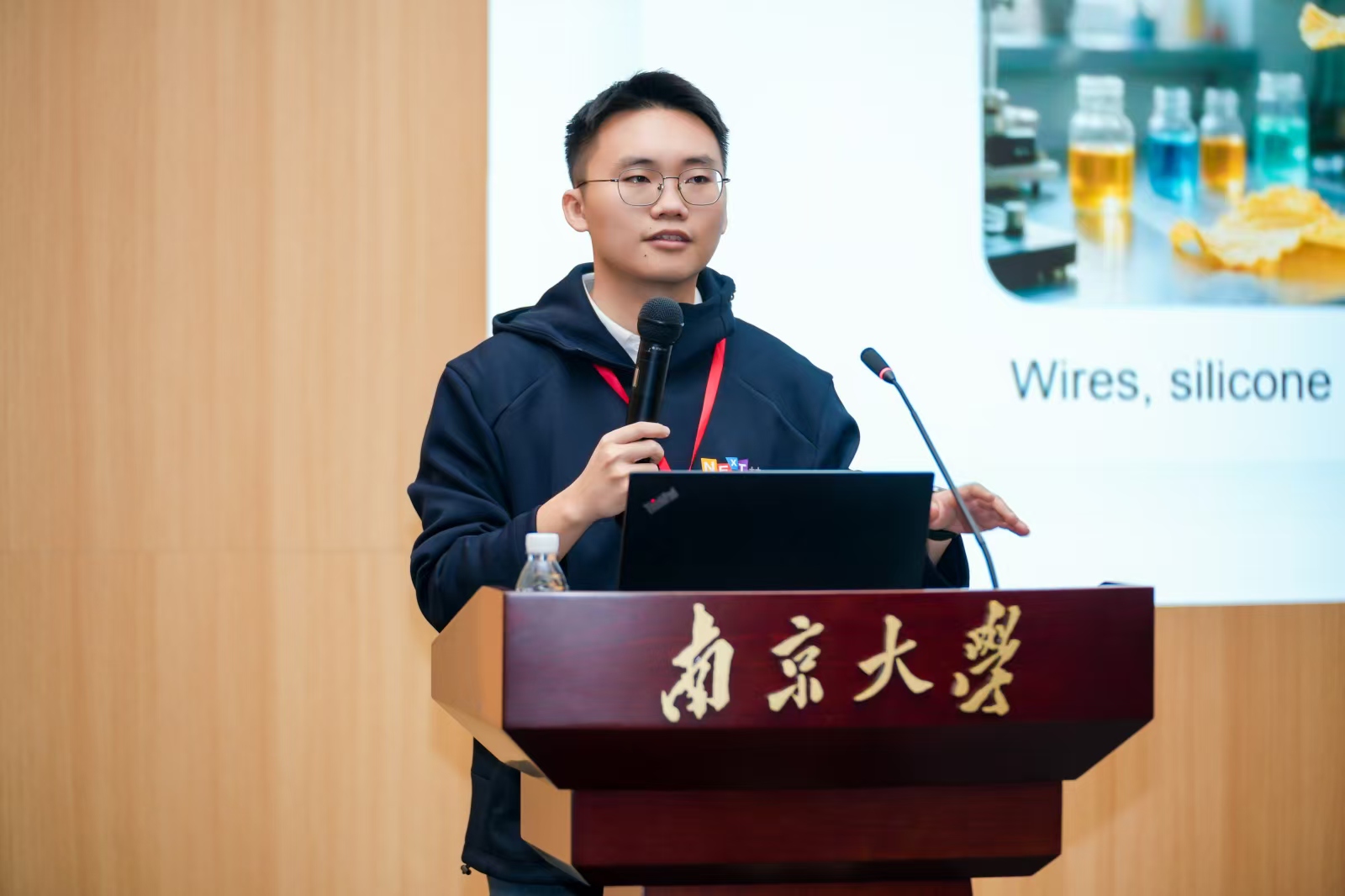
Professor Zhang Min (Tsinghua University, Director of the Institute of Artificial Intelligence) chaired the session on "Knowledge and AI Models." Asst. Prof. Pan Liangming (Peking University), Assoc. Prof. Zhang Ningyu (Zhejiang University), and Assoc. Prof. Cui Peng (Tsinghua University, CCF Deputy Secretary-General) presented research on large model internal mechanisms, model knowledge and continual learning, and structured data modeling, respectively.
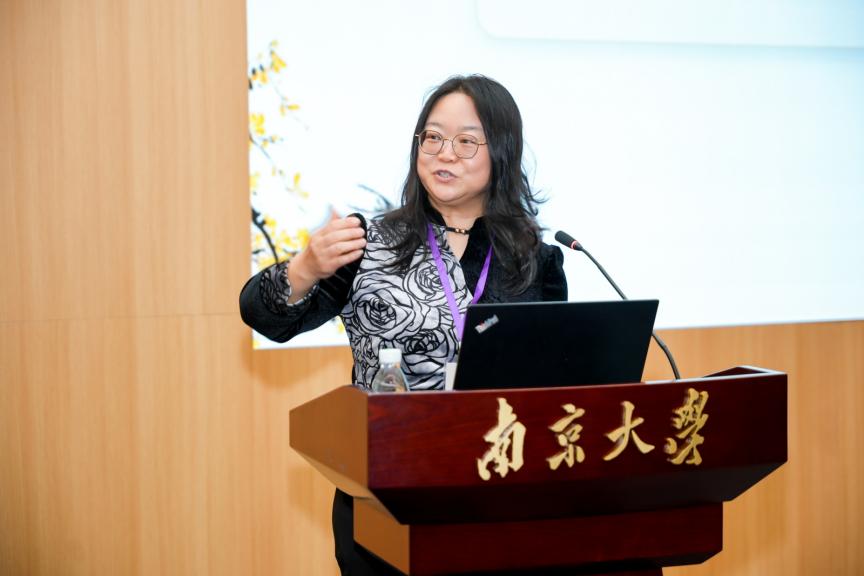
Pan Liangming gave a talk titled "Opening the Black Box of Large Language Models: From Mechanistic Understanding to Targeted Intervention," presenting the team's work on internal reasoning mechanisms, training data attribution, and model behavior regulation, and discussing how mechanistic interpretability can improve model reliability and safety.
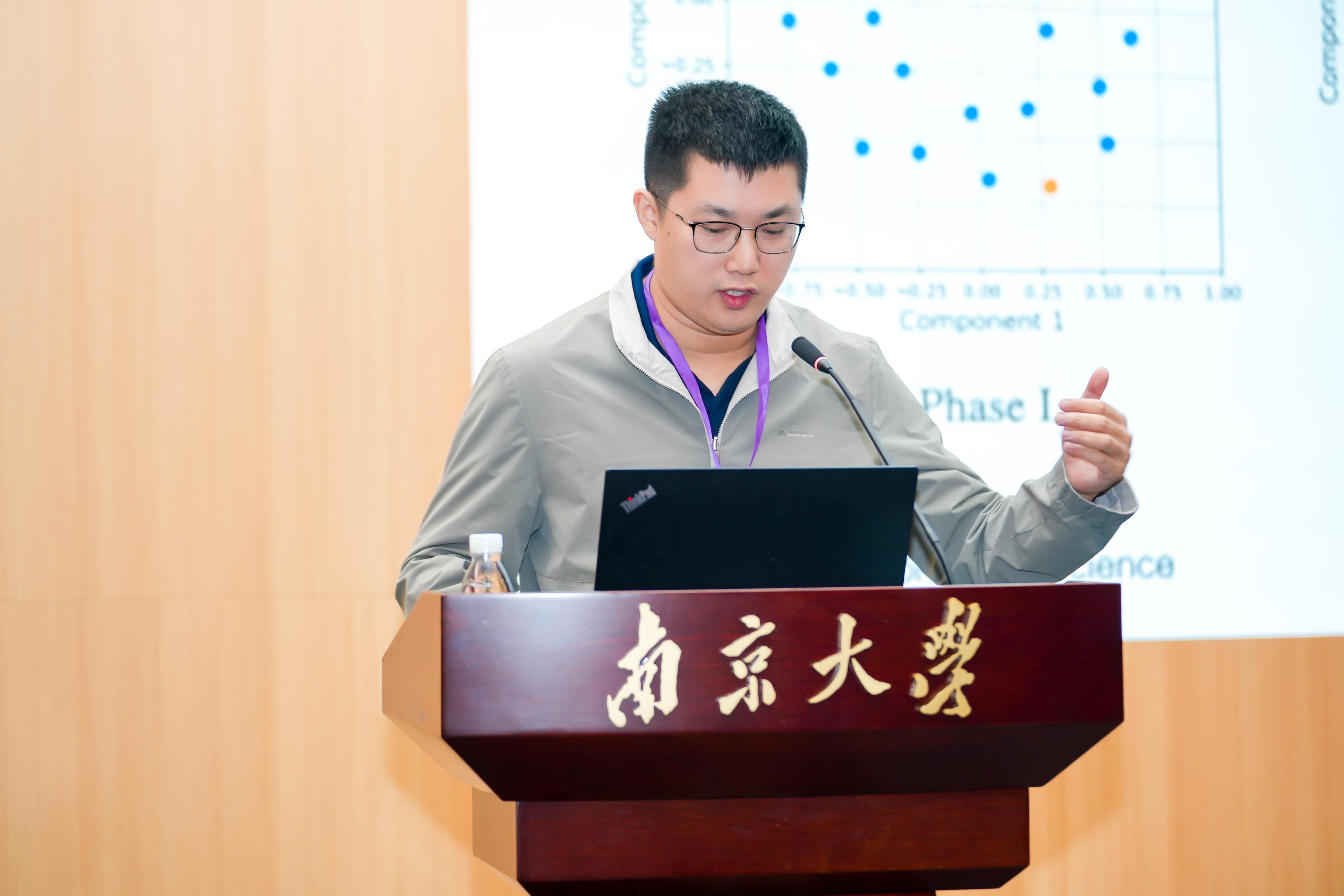
Zhang Ningyu gave a talk titled "The Science of Large Language Models: From Mechanistic Understanding to Model Improvement," presenting the team's work on knowledge circuits, mechanistic interpretability, and continual learning, with a focus on the AI-assisted mechanism research system Mechanist and the knowledge integration framework Cortex, and discussing how mechanistic insights can inform continual learning and model optimization.
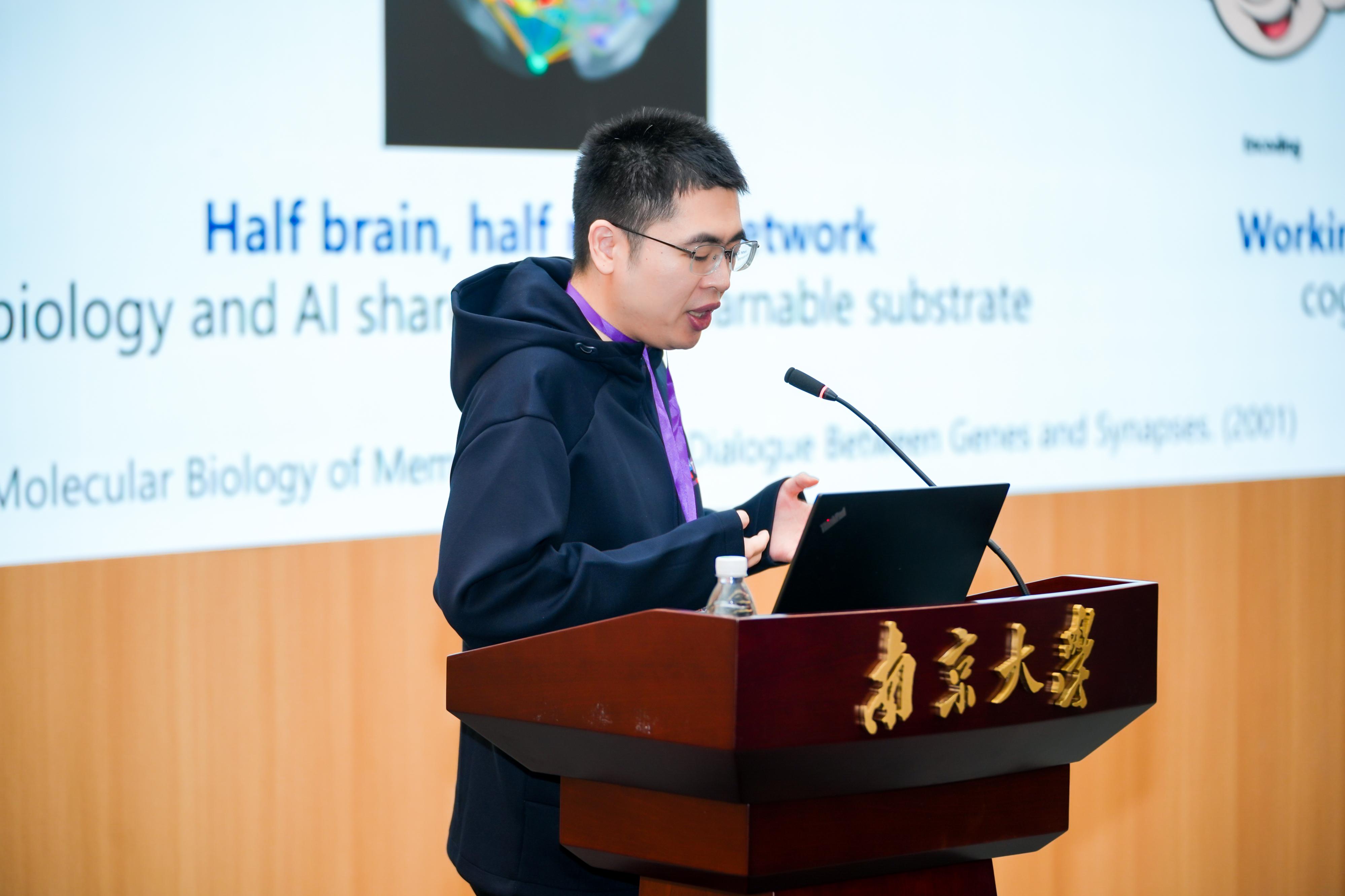
Cui Peng delivered a report titled "Toward General-Purpose Models for Structured Data," introducing the team's research progress on foundation models for structured data. He pointed out that current AI research mainly focuses on the semantic space targeted by large language models and the physical space targeted by embodied intelligence, while the data space connecting the two is also an important component of achieving artificial general intelligence. Structured data is widely used in fields such as industrial manufacturing, finance, biomedicine, and scientific research. However, existing large language models struggle to fully capture the underlying patterns and generative mechanisms, while traditional specialized models face challenges such as limited generalization ability and high development costs. To address these issues, the team proposed a Large Data Model (LDM) for structured data and developed the LimiX series of models. This research centers on mining the causal structures underlying data. By innovating training objectives and model architectures and pre-training on large-scale causal synthetic data, the model can capture data patterns across domains and perform tasks such as classification, regression, and anomaly detection without task-specific retraining. Experimental results show that the model demonstrates strong potential in cross-domain generalization, few-shot learning, and adaptation to data distribution shifts, with application prospects in industrial process optimization, new material discovery, and AI-empowered scientific research. He emphasized that large language models and large data models are complementary: the former focuses on understanding and applying existing knowledge, while the latter is dedicated to discovering new patterns and knowledge from data. Their coordinated development is expected to provide new technological pathways for industrial innovation and scientific discovery.
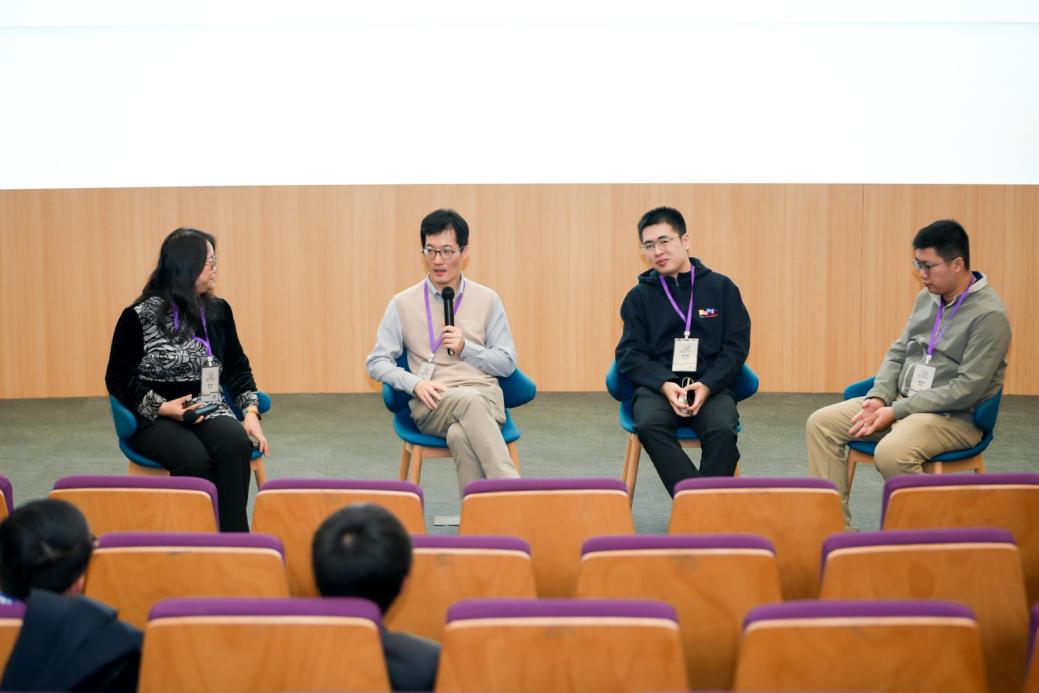
In the subsequent roundtable discussion on "Implicit and Explicit Knowledge in Artificial Intelligence," Zhang Min served as the moderator. The three panelists—Pan Liangming, Zhang Ningyu, and Cui Peng—engaged in in-depth exchanges on issues such as the nature of knowledge in AI systems, knowledge representation, model hallucinations, and the collaborative relationship between implicit and explicit knowledge. From different research perspectives, the panelists explored how knowledge is stored and operates within model parameters and internal representations, as well as the role of knowledge graphs, rules, and external knowledge resources in enhancing model interpretability, reliability, and safety. The experts agreed that implicit and explicit knowledge each have their own advantages, and that effectively connecting implicit representations within models with human-understandable explicit knowledge systems, and promoting their coordinated development, will be an important direction for future AI research.
During the conference, some young scholars also presented their research through academic posters outside the venue and exchanged ideas with other attendees. Participants discussed research content, technical methods, and future directions, fostering interdisciplinary exchange and providing a platform for young scholars to showcase their work and build academic collaborations.

At the end of the workshop, Professor Chua Tat-Seng, Fellow of the Singapore National Academy of Science and professor at the School of Computing, National University of Singapore, delivered a summary of the forum. He reviewed topics including AI safety, agents, education, and embodied intelligence, and pointed out that foundation models are driving interdisciplinary integration, bringing new opportunities for research innovation and talent cultivation. He emphasized that future academic research should not be limited to performance improvements on specific tasks, but should focus on questions of significant scientific value and practical importance, promoting the formation of more original and impactful research outcomes.