

In mid-January 2026, the School of Intelligence Science and Technology at Nanjing University, in collaboration with The Affiliated Suzhou Hospital of Nanjing University Medical School, successfully co-hosted an Interdisciplinary Academic Symposium on Medical Engineering. Attendees included Li Jingwei, President of The Affiliated Suzhou Hospital of Nanjing University Medical School; Wang Chen, Vice President and Director of the Nanjing University Suzhou Medical Research Center; along with heads of relevant departments, division directors, and key research personnel from the hospital. Representing the School of Intelligence Science and Technology were Professor Shan Caifeng, Vice Dean; Tenure-Track Associate Professor Fang Yuqi; Postdoctoral Researcher Da Yifei; and several master's and doctoral students from their teams. The participants engaged in in-depth discussions focusing on key technological breakthroughs in medical artificial intelligence, the implementation of clinical application scenarios, and the development of collaborative mechanisms between medicine and engineering. Together, they explored pathways for research collaboration and models for translating achievements to address real-world clinical needs.
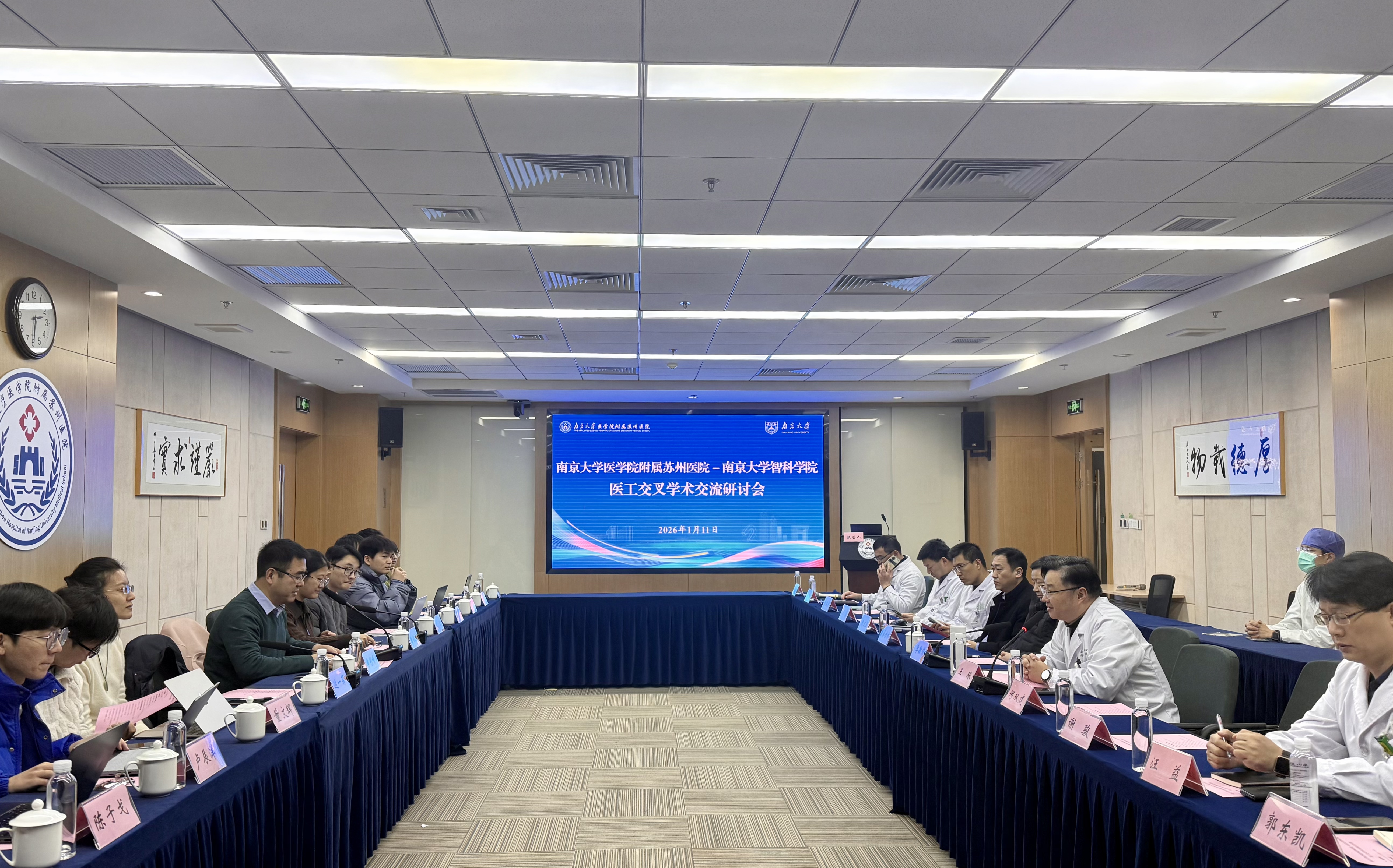
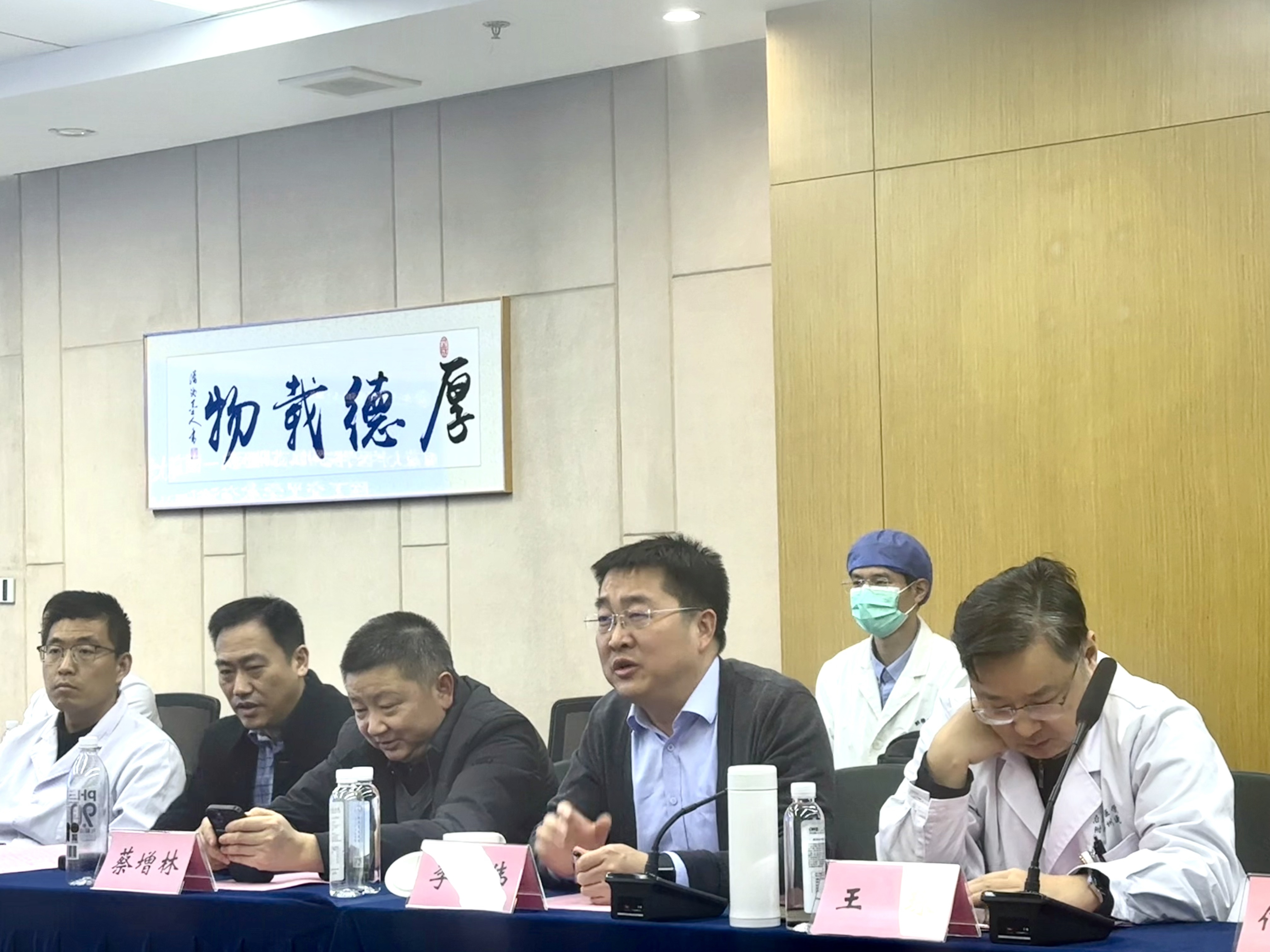
Li Jingwei and Shan Caifeng delivered speeches on behalf of their respective institutions. Both parties expressed that the integration of medicine and artificial intelligence is accelerating from scientific exploration toward practical clinical application. They agreed that the next phase should focus on continuously breaking through key bottlenecks with the goal of achieving solutions that are effective, trustworthy, and scalable. At the same time, they emphasized the importance of being guided by clinical needs, supported by data compliance and collaborative mechanisms, to promote interdisciplinary team coordination and the successful implementation of research outcomes.

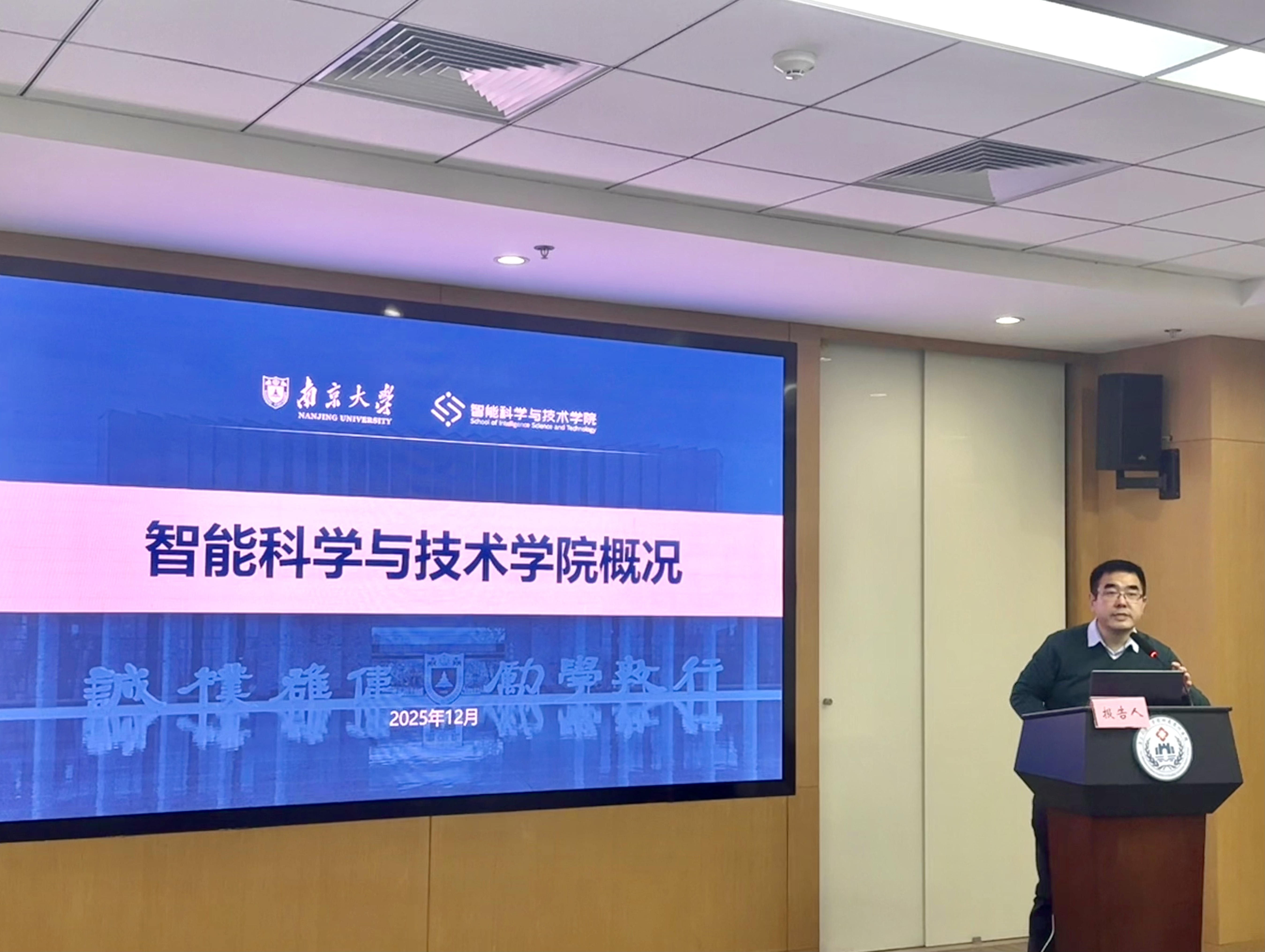
Shan Caifeng provided a comprehensive overview of the School of Intelligence Science and Technology's development and disciplinary structure. Drawing on the School's achievements in interdisciplinary talent cultivation, research platform construction, and the integration of medical engineering, he elaborated on the School's overarching vision and support system for conducting intelligence science and technology research and translational applications in the healthcare sector.
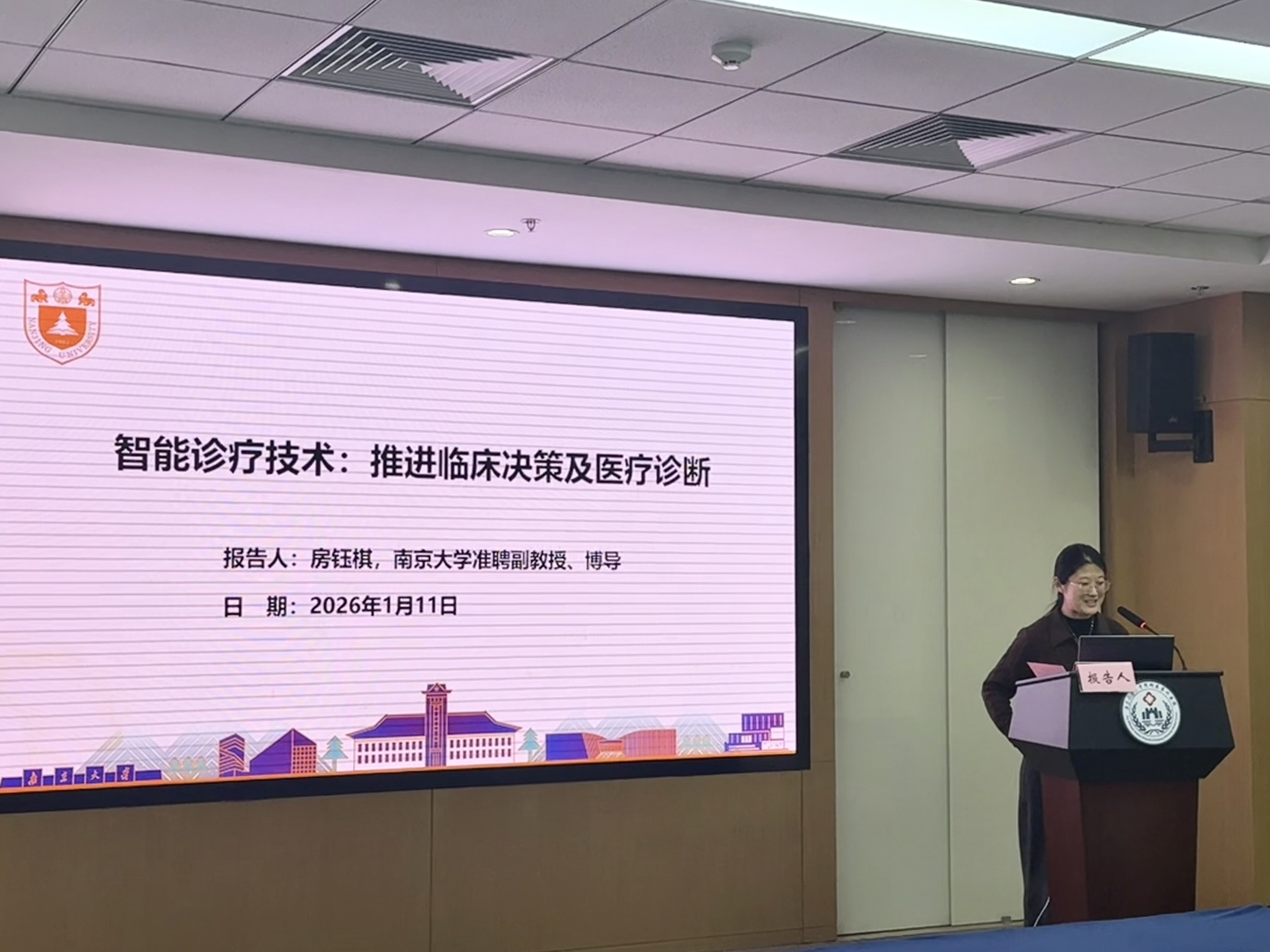
During the presentation and exchange session, Fang Yuqi delivered a special lecture titled Overview of Medical Artificial Intelligence Research, focusing on the full-cycle technological framework of medical AI. Her report covered key aspects including medical data acquisition and annotation, cross-device and cross-institution generalization, multimodal fusion, privacy protection, and explainable decision-making. Drawing on her team's practical experience in medical-engineering collaboration, she shared insights on collaborative research and development models and potential entry points for cooperation aimed at clinical implementation.
Subsequently, the presentation and exchange session proceeded thematically, covering areas such as Orthopedics, Neurology, Radiology, and Physiological Signal Analysis, addressing a wide range of specific clinical scenarios and cutting-edge issues. During the presentations, clinical experts, drawing on their frontline experience, engaged in in-depth and constructive discussions with the faculty and students regarding the clinical needs, validation methods, and translational potential of the various research directions.
During the Orthopedics-focused presentation and discussion session, Dong Wenhui, a doctoral student from our school, explored the deep integration of intelligent diagnostic models with clinical workflows in spinal surgery. Fellow doctoral student Lu Chenyang introduced methods for enhancing the stability of joint degeneration analysis using multimodal imaging. Master's student Bai Yu presented research findings on the early assessment of bone health based on conventional imaging.
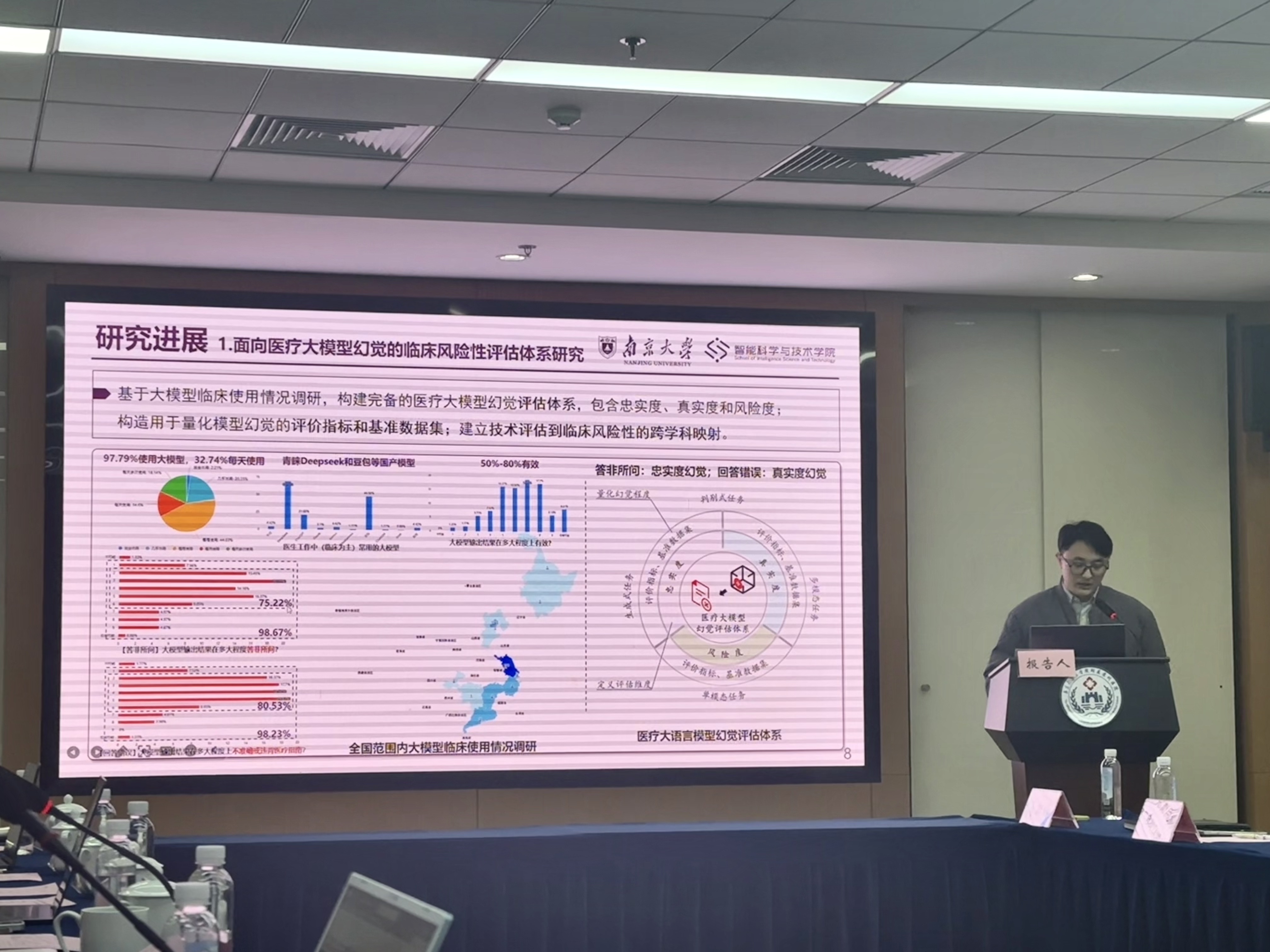
During the Neurology-focused presentations and discussions, master's student Chen Zige shared his research ideas centered on an early screening framework for neurological diseases. Fellow master's student Jiang Wenqi discussed key technological research for improving medical image quality and information density. Doctoral student Kong Yan elaborated on approaches to enhancing lesion detection efficacy using eye-tracking data.
During the Radiology-focused presentation and discussion session, doctoral student Song Xiao highlighted technical approaches to enhancing the reliability of intelligent models in clinical decision-making. Fellow doctoral student Li Xiang shared the challenges and progress in achieving precise segmentation of vascular structures.
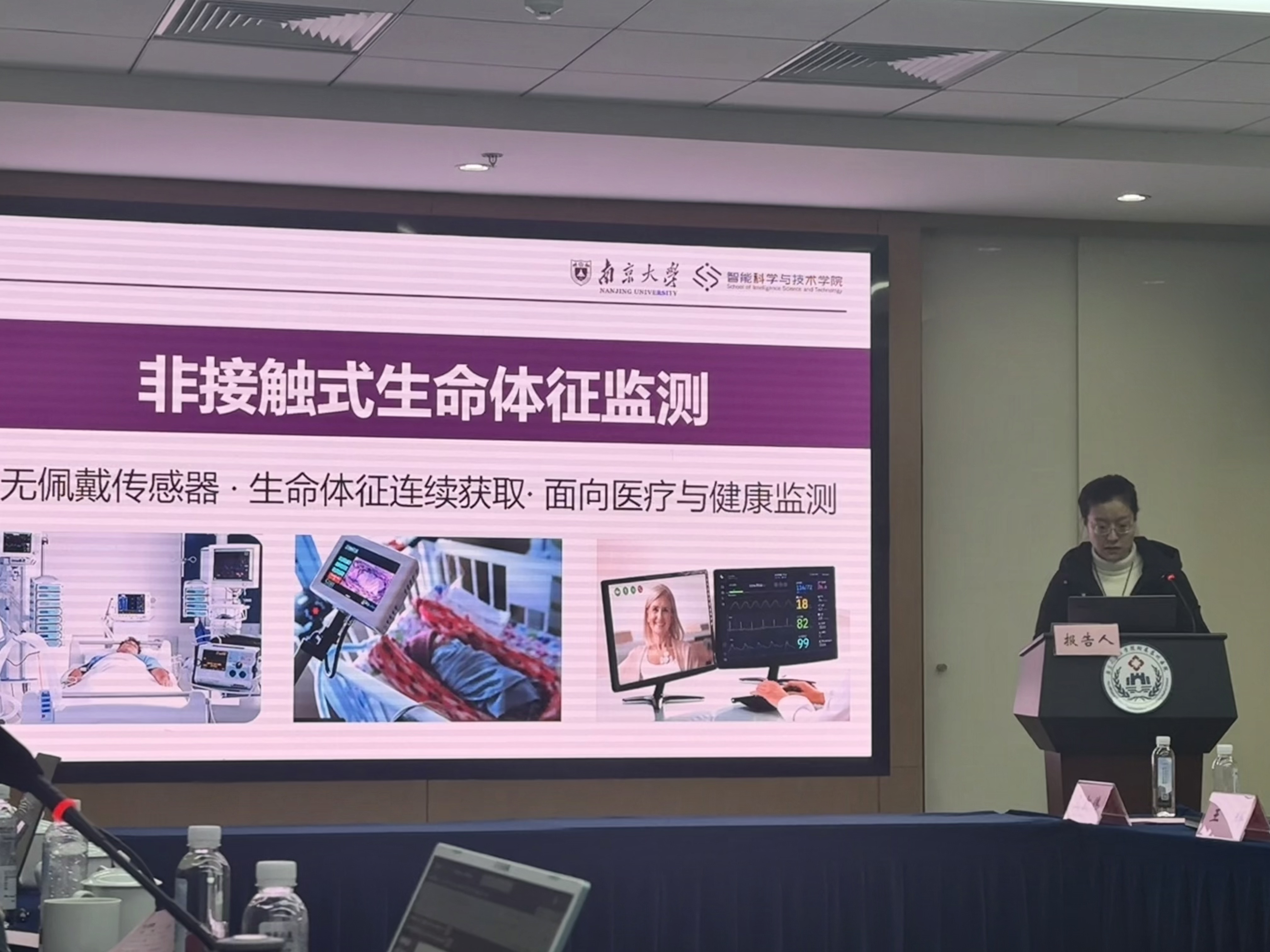
During the Physiological Signal Analysis-focused presentation and discussion session, which centered on innovative technologies, postdoctoral researcher Da Yifei elaborated on the application of non-contact monitoring technologies in expanding assessment scenarios. Master's student Chen Hong'an explored the potential of neural signal decoding in functional evaluation.
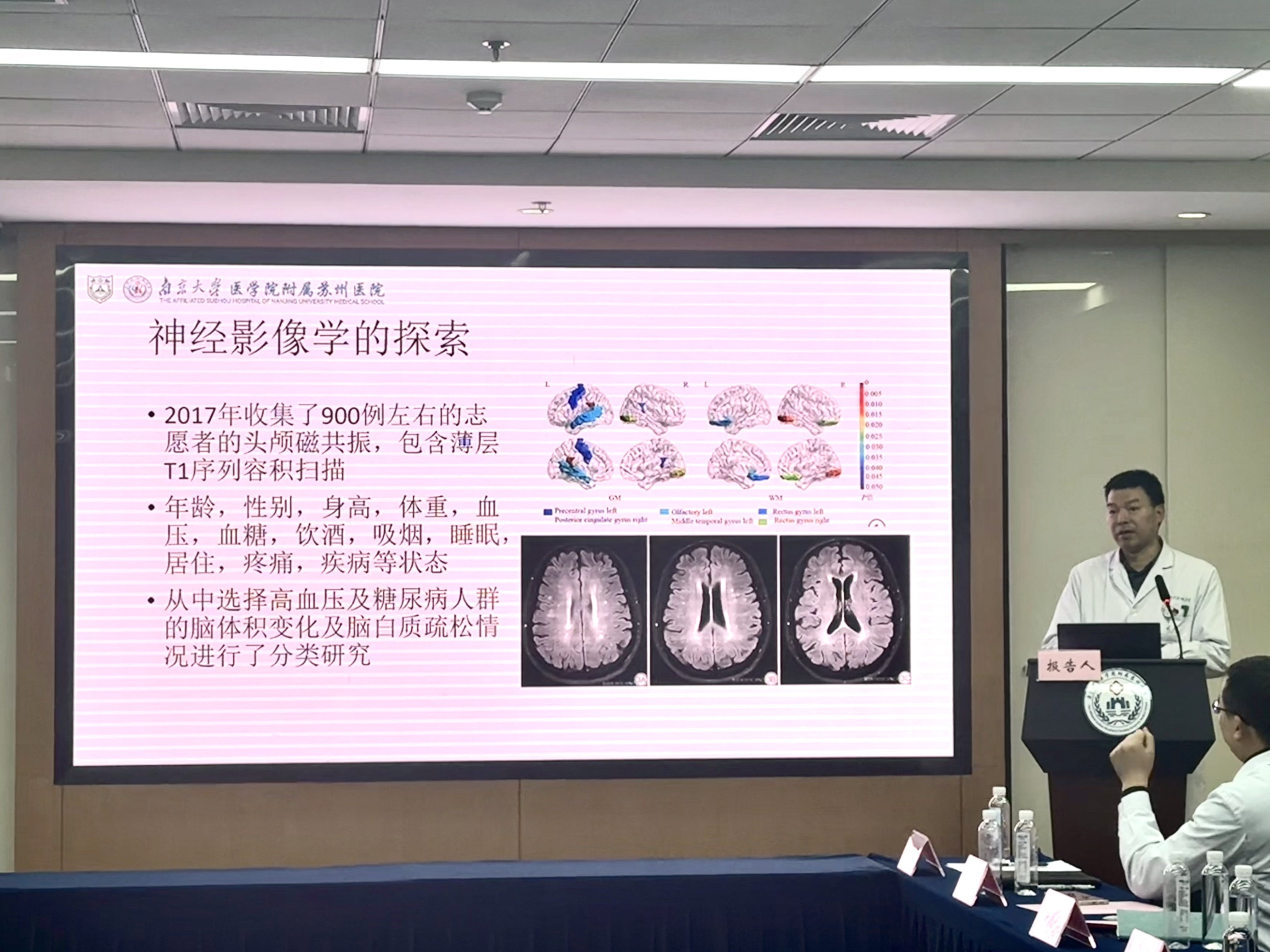
Finally, Zhu Jianbing, Deputy Director of the Medical Imaging Department at Nanjing University Suzhou Hospital and Associate Director of the Nanjing University Suzhou Medical Research Center, delivered a special lecture titled Challenges and Needs in Clinical Medical Imaging Practice in the Context of AI. Drawing on his experience in daily diagnosis and treatment as well as research collaborations, he shared his understanding of the requirements, key considerations, and application boundaries for integrating artificial intelligence into clinical workflows. He also provided valuable insights and suggestions regarding data acquisition and quality control, interpretability, and pathways for clinical validation.
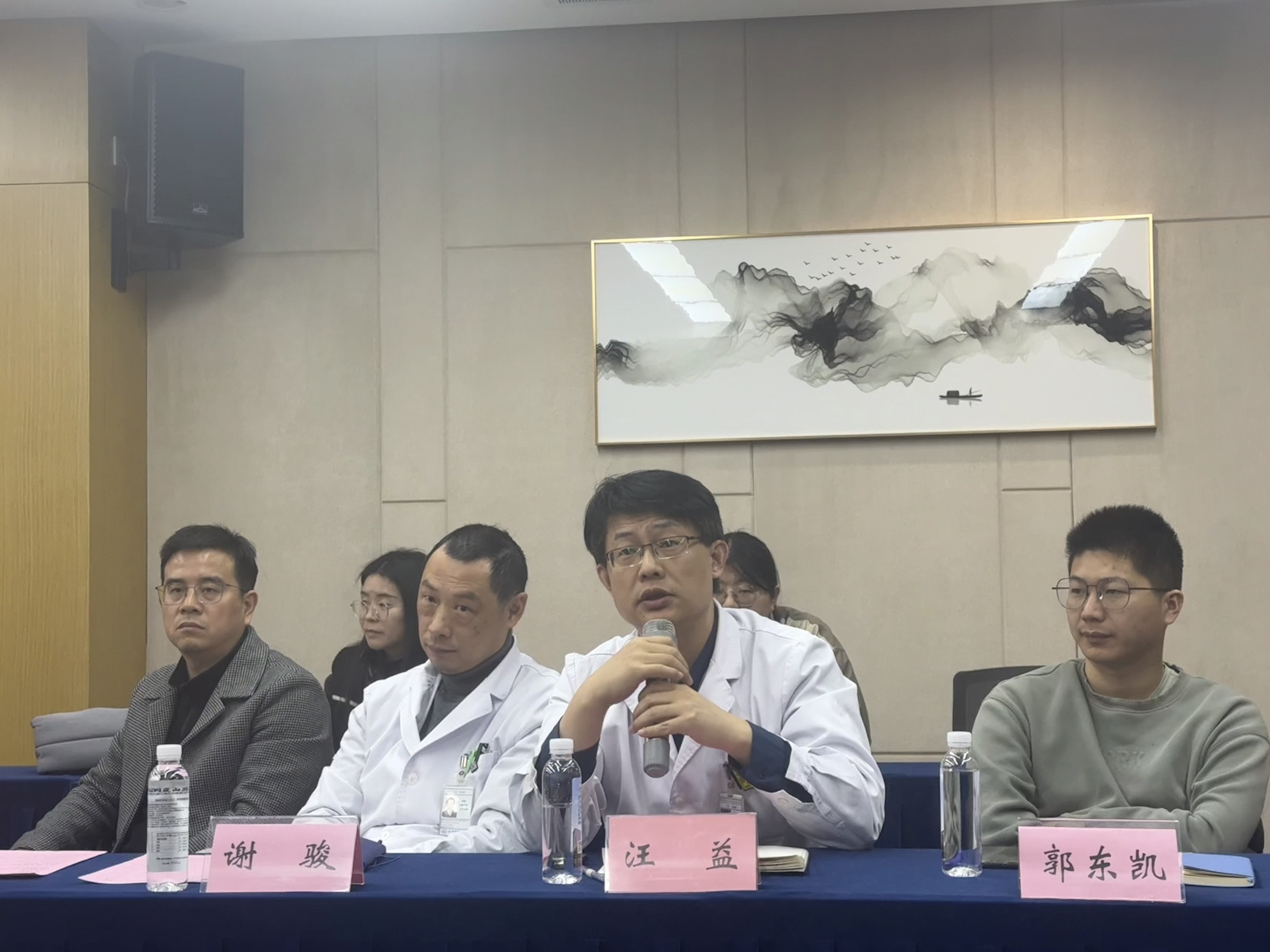
During the open discussion session, the two parties engaged in in-depth conversations regarding data sharing mechanisms, the formulation of joint research projects, pilot validation, and long-term collaboration models, reaching preliminary consensus on several potential directions for cooperation.
This interdisciplinary symposium on medical engineering, guided by the principles of clinical focus, problem-driven approach, and pragmatic collaboration, effectively promoted dialogue, exchange, and mutual trust between the school and the hospital. It laid a solid foundation for future verifiable and translatable medical engineering research. Both parties expressed their commitment to leveraging this symposium as an opportunity to continuously advance collaborative innovation and the translation of achievements, jointly contributing to the development and high-quality growth of the intelligent healthcare system.
