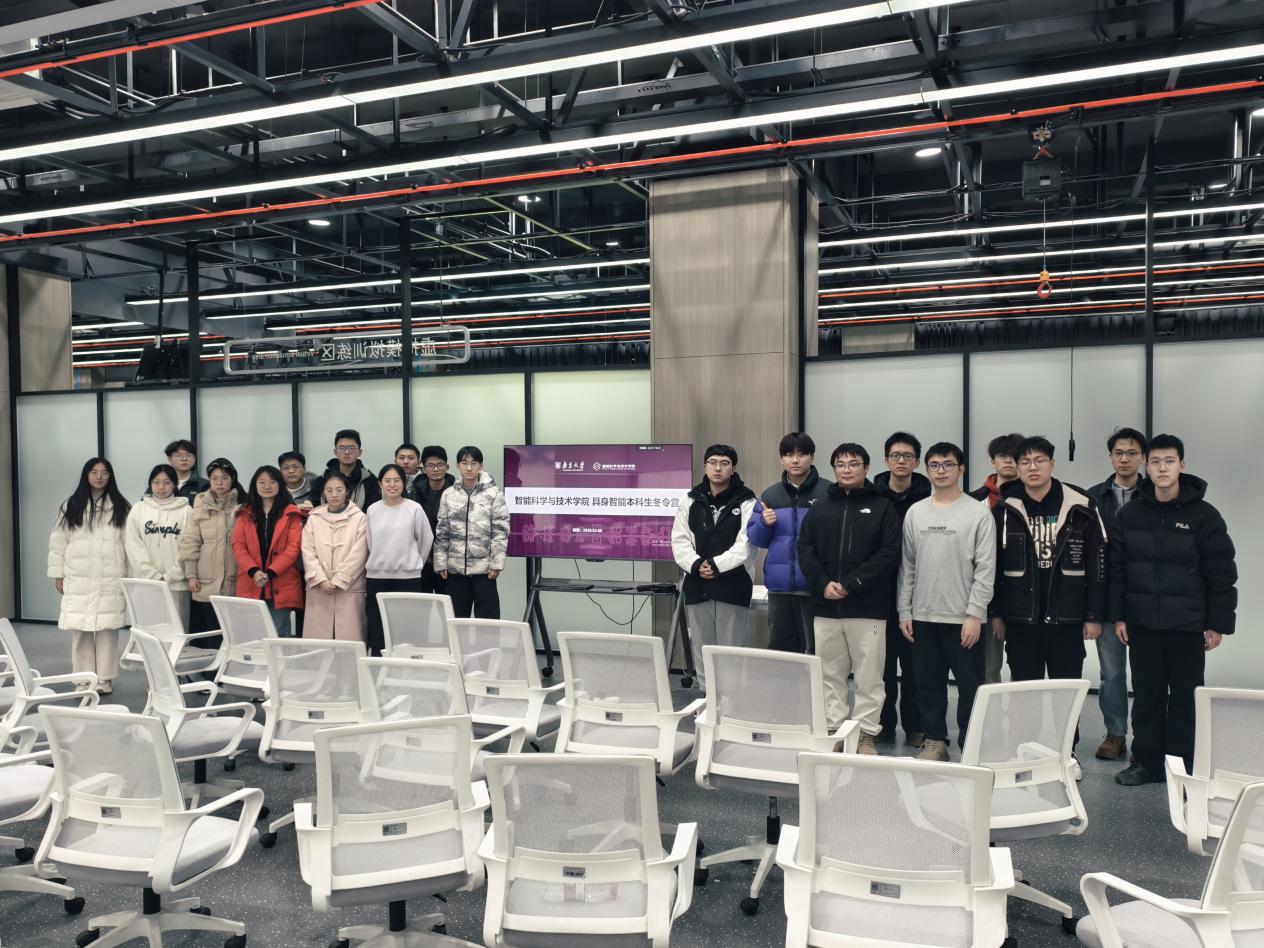
From February 4th to 7th, 2026, the School of Intelligence Science and Technology at Nanjing University hosted a four-day, three-night Undergraduate Winter Camp on Embodied Intelligence. A total of 22 outstanding sophomores and juniors from universities across the country gathered at the Suzhou Campus of Nanjing University, where they completed a comprehensive experience encompassing theoretical learning, simulation reproduction, and physical deployment, all centered around cutting-edge embodied intelligence technologies and classical algorithm practices.
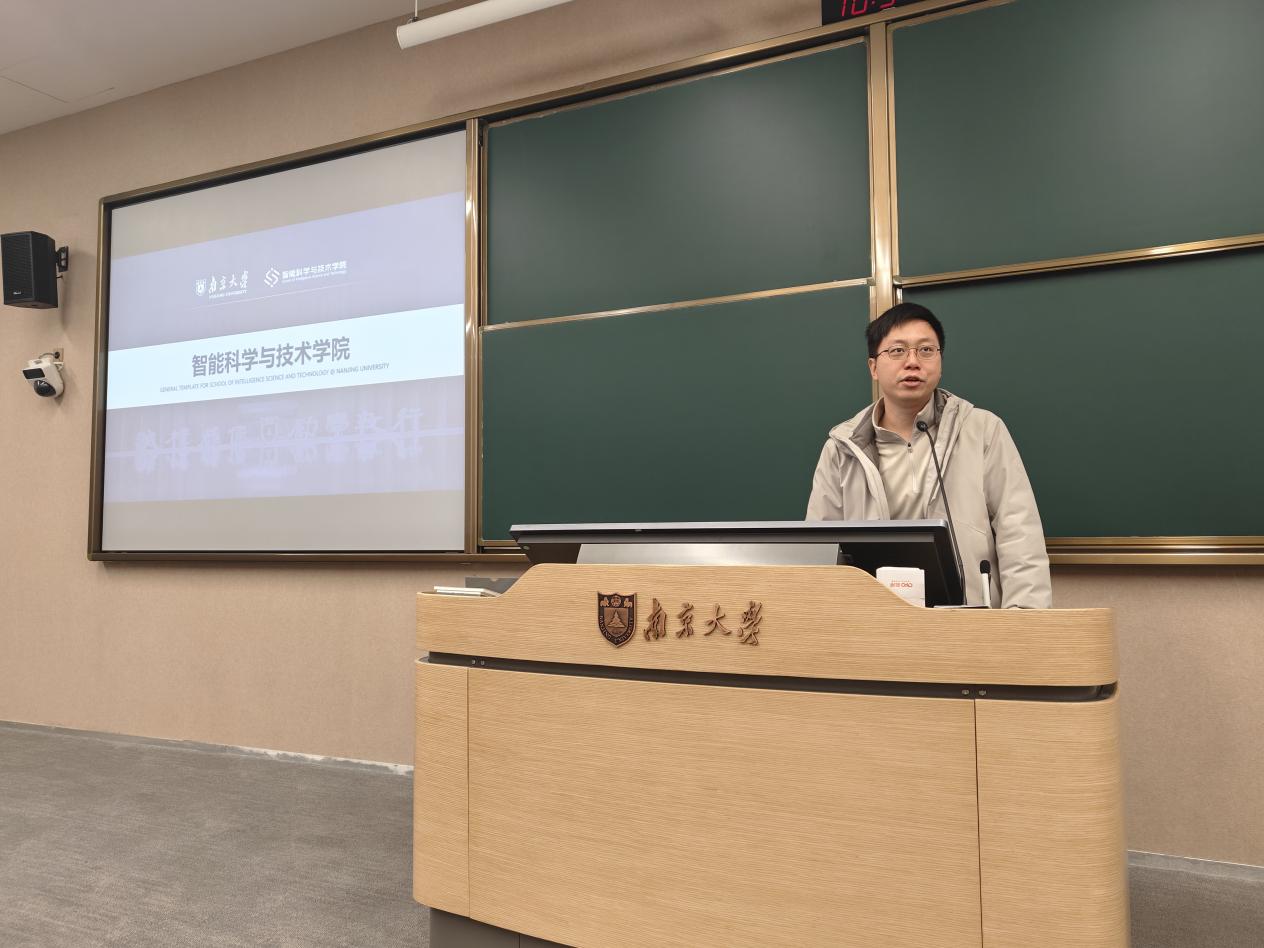
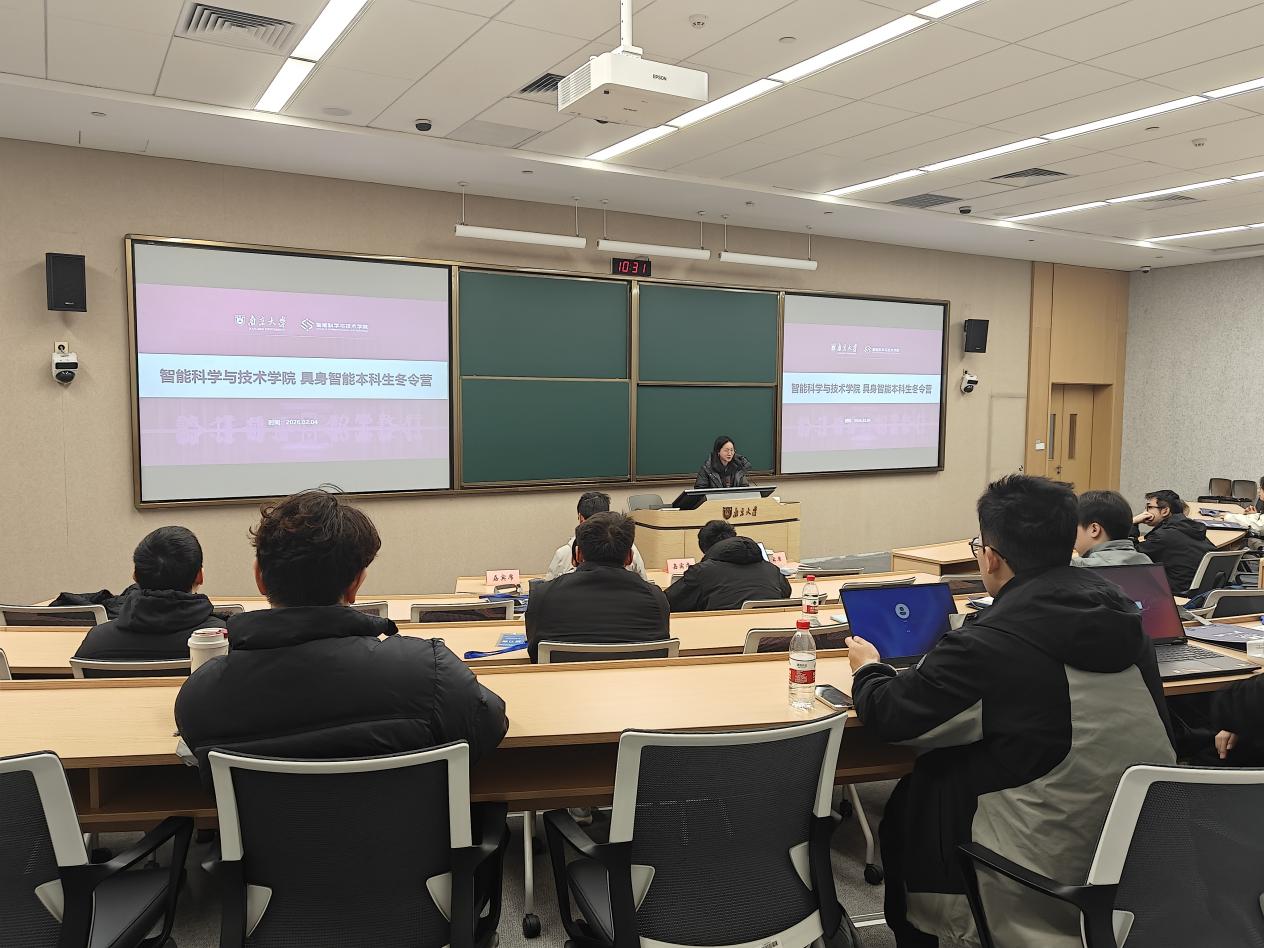
The Winter Camp officially commenced on February 4th. Professor Yao Yao, the Party Branch Secretary for Faculty and Staff and a Tenure-Track Associate Professor at the school, delivered an opening address on behalf of the school. He provided a systematic overview of the school's discipline development, faculty composition, talent cultivation, and scientific research landscape. Subsequently, Tenure-Track Associate Professor Shi Jieqi, representing the embodied intelligence field, introduced the latest research progress, development trends, and future plans in this area.
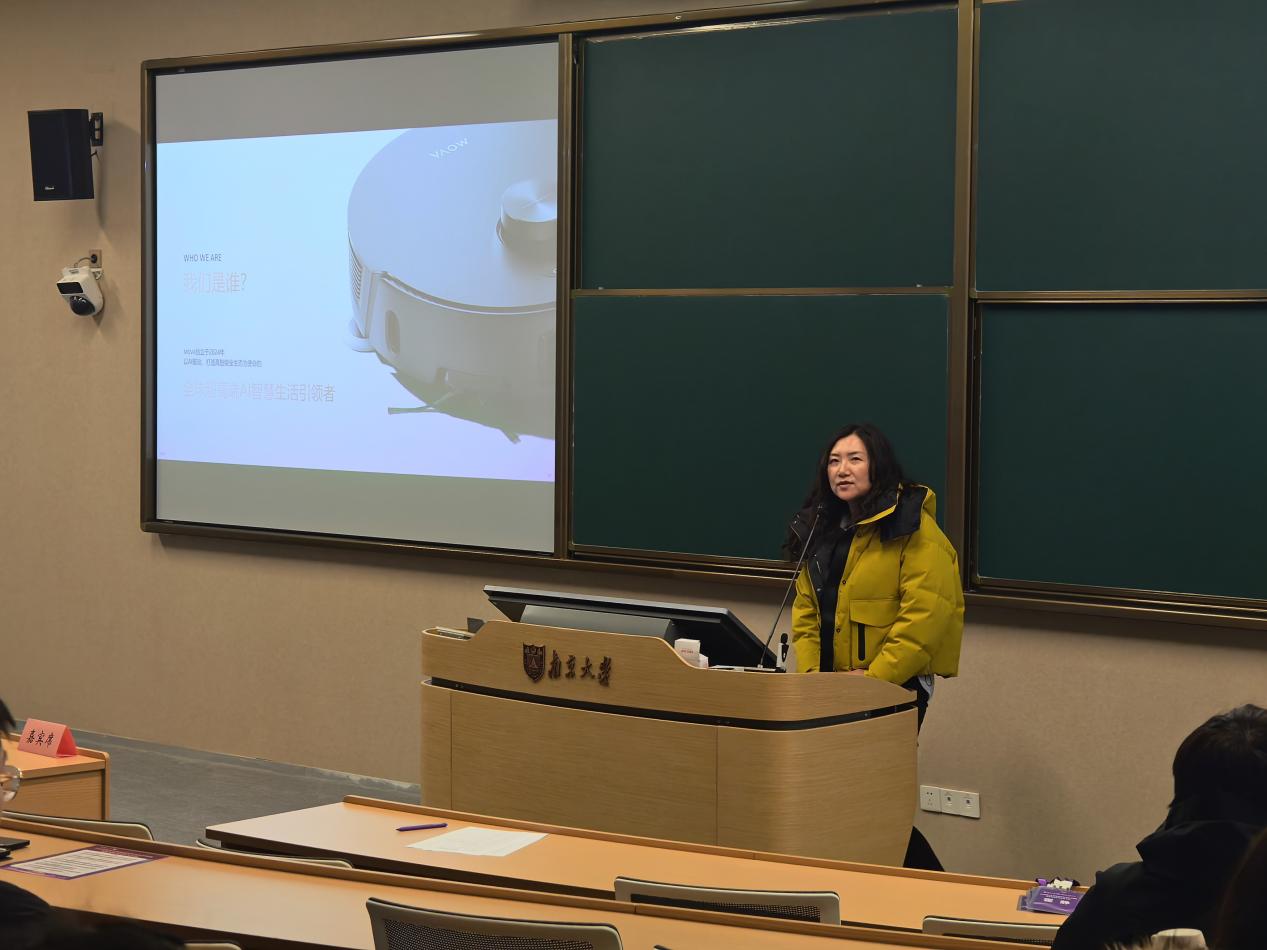
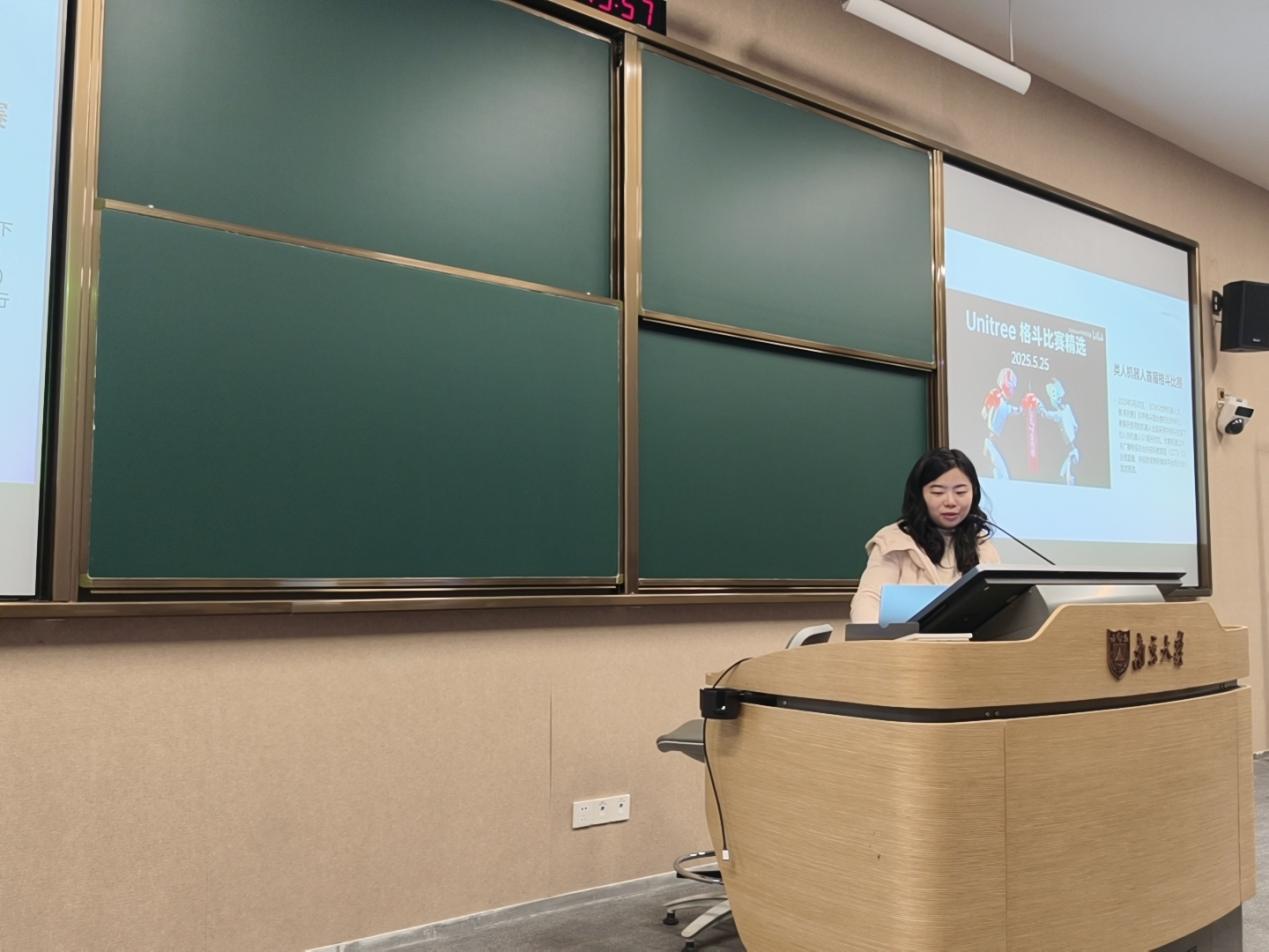
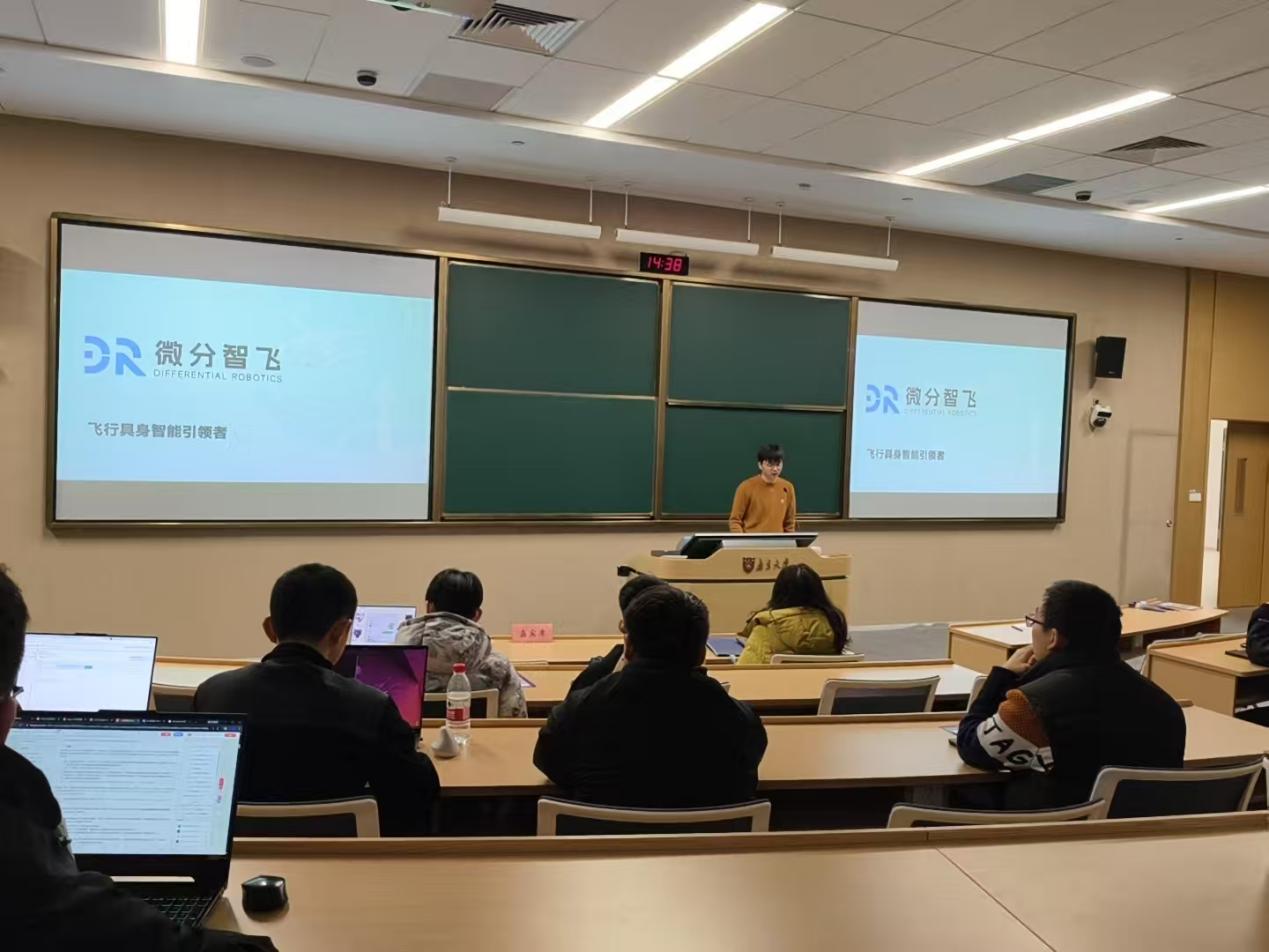
That afternoon, expert representatives from leading industry companies such as MOVA, WeFenz, and Unitree delivered special lectures for the participants, sharing insights on the industrial implementation practices, cutting-edge exploration directions, and future development trends of embodied intelligence technology. Through face-to-face exchanges with the corporate representatives, the participants gained an in-depth understanding of the current industry landscape and acquired forward-looking insights into its future development trajectory.
During the learning sessions, the teaching assistants guided the participants through a systematic study of classic algorithms for robotic grasping and navigation, helping them establish a preliminary overall understanding of these two core directions in embodied intelligence.
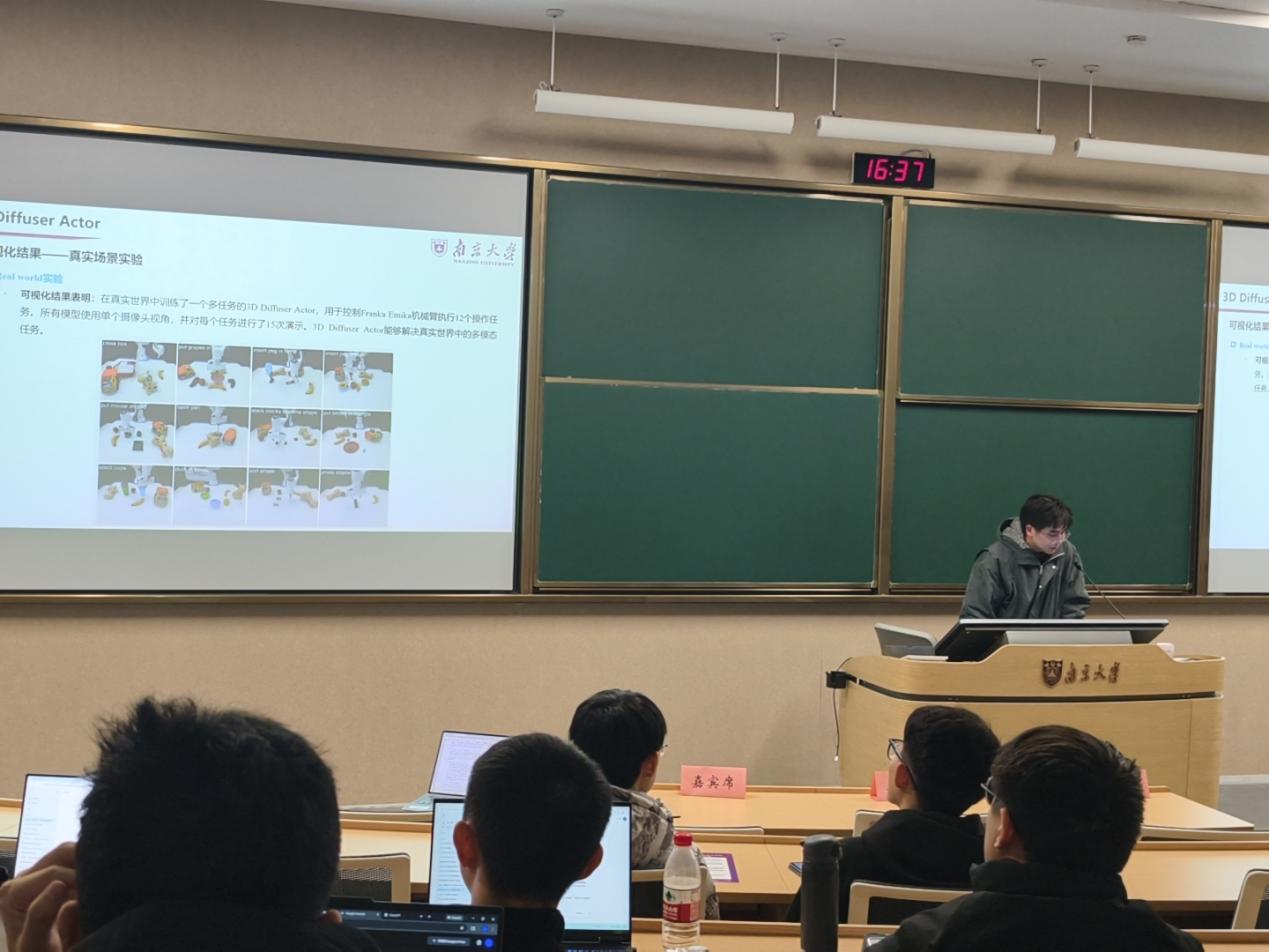
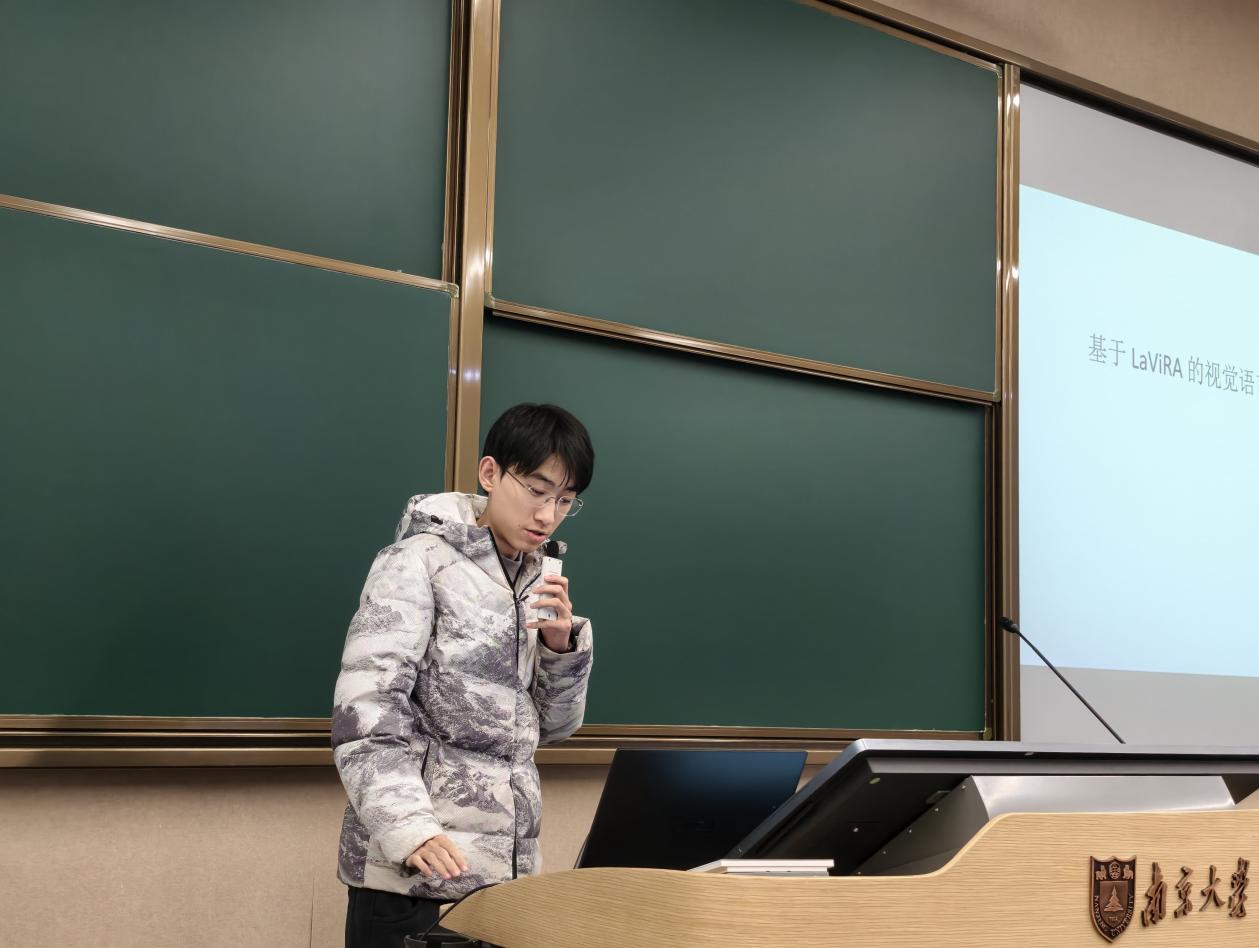
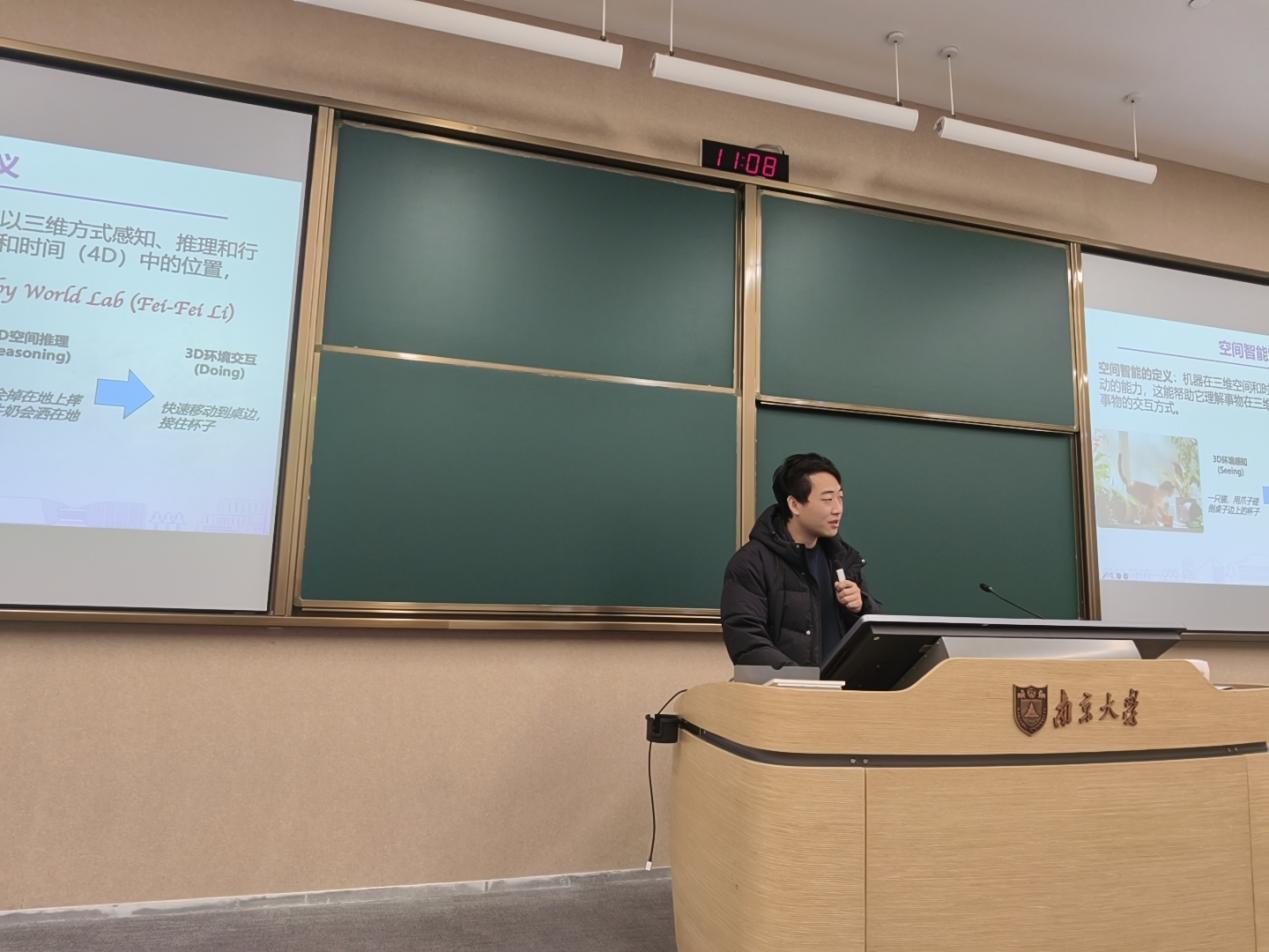
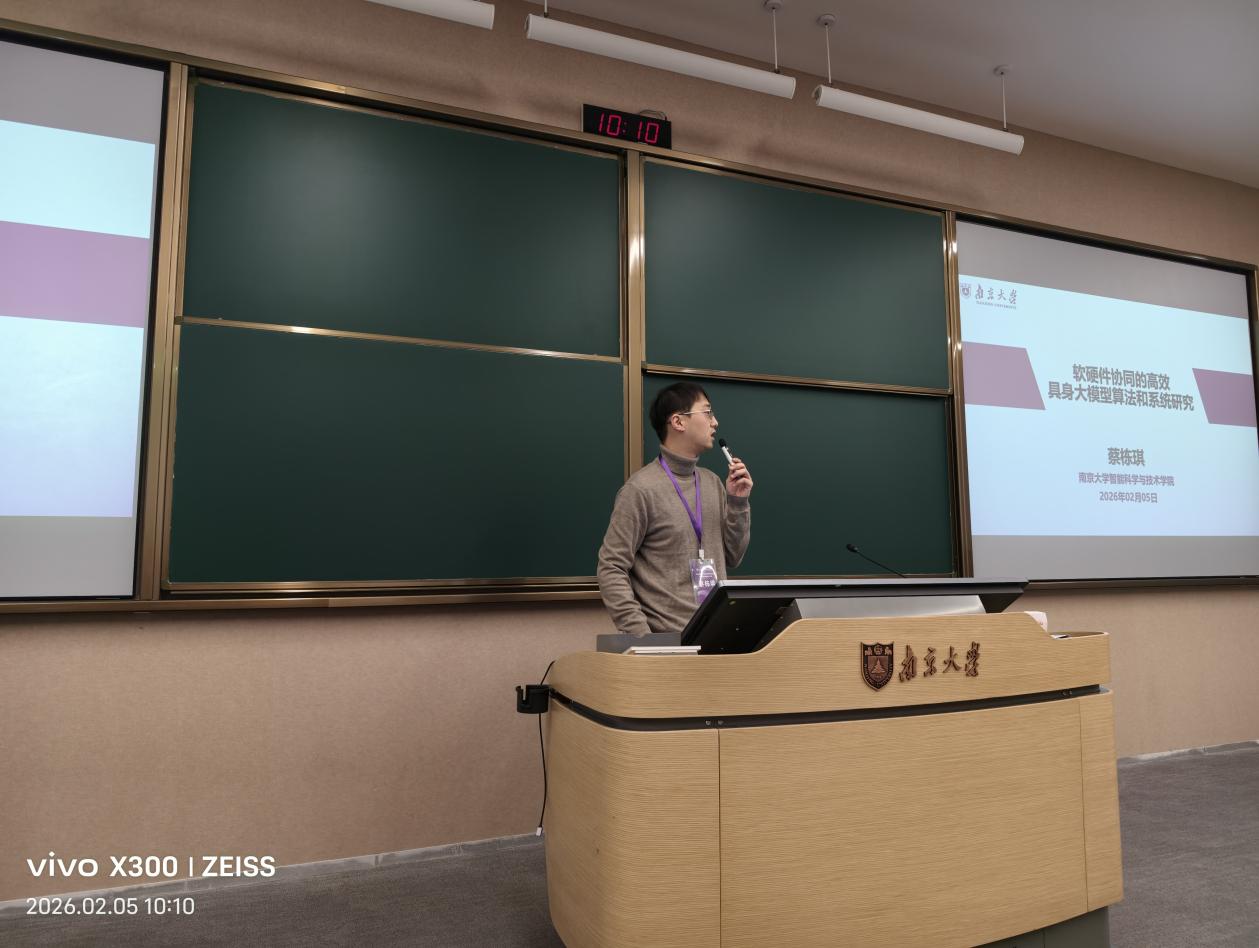
On February 5th, faculty members presented the latest scientific research progress in the field of embodied intelligence to the participants. The speakers included Tenure-Track Associate Professor Jing from the Department of Computer Science, Nanjing University; as well as Tenure-Track Associate Professors Shi Jieqi, Long Xiaoxiao, and Bing Zhenshan, and Tenure-Track Assistant Professor Cai Dongqi, all from the Embodied Intelligence direction within the School of Intelligence Science and Technology. The session was followed by in-depth interactive discussions with the participants on related topics.
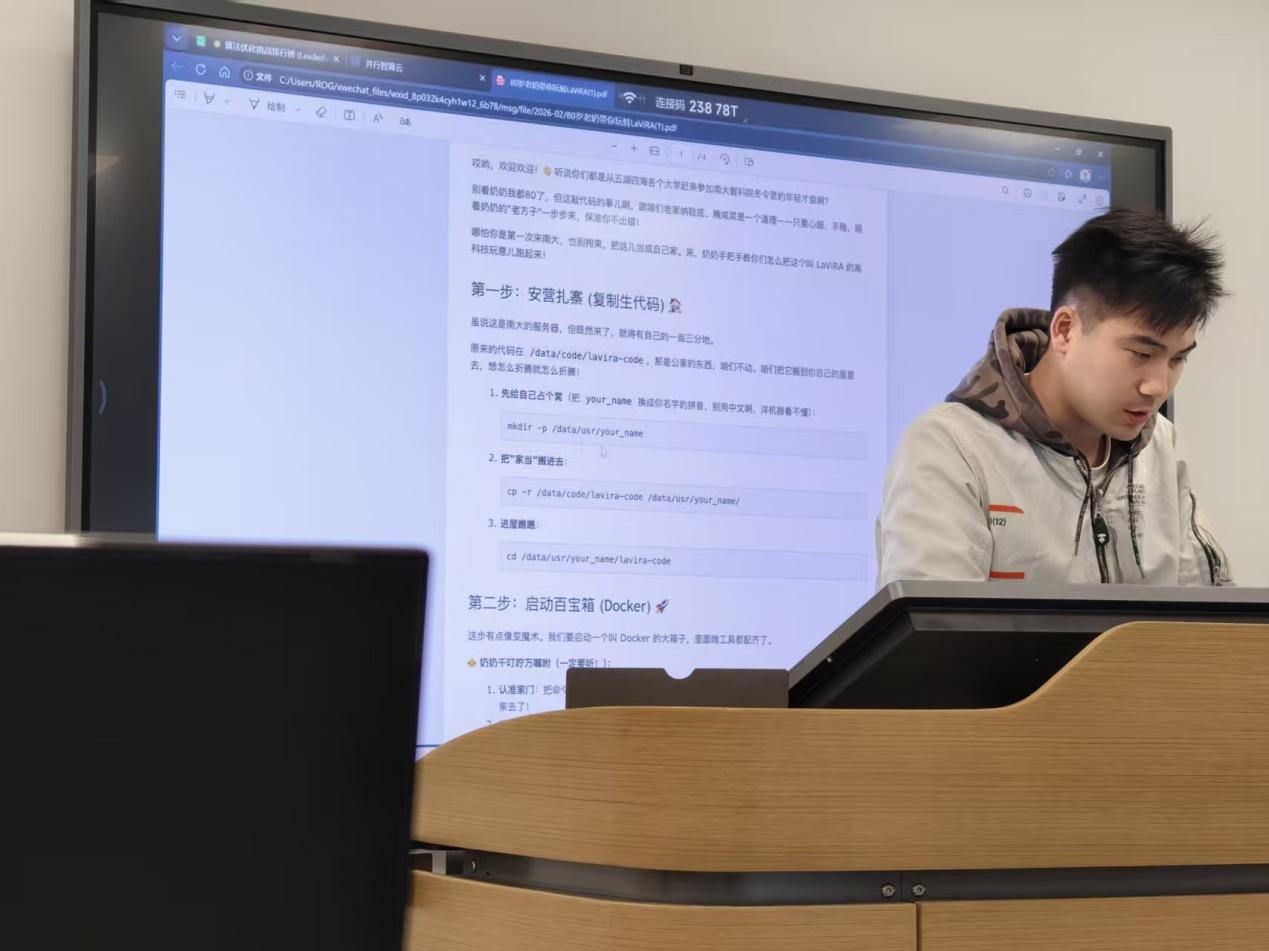
On the afternoon of February 5th, under the guidance of the teaching assistants, the participants conducted simulation experiments and successfully reproduced the classic grasping algorithm 3DDA and the cutting-edge navigation algorithm LaViRA. Through this hands-on practice, they gained a profound understanding of the underlying mechanisms of these algorithms.
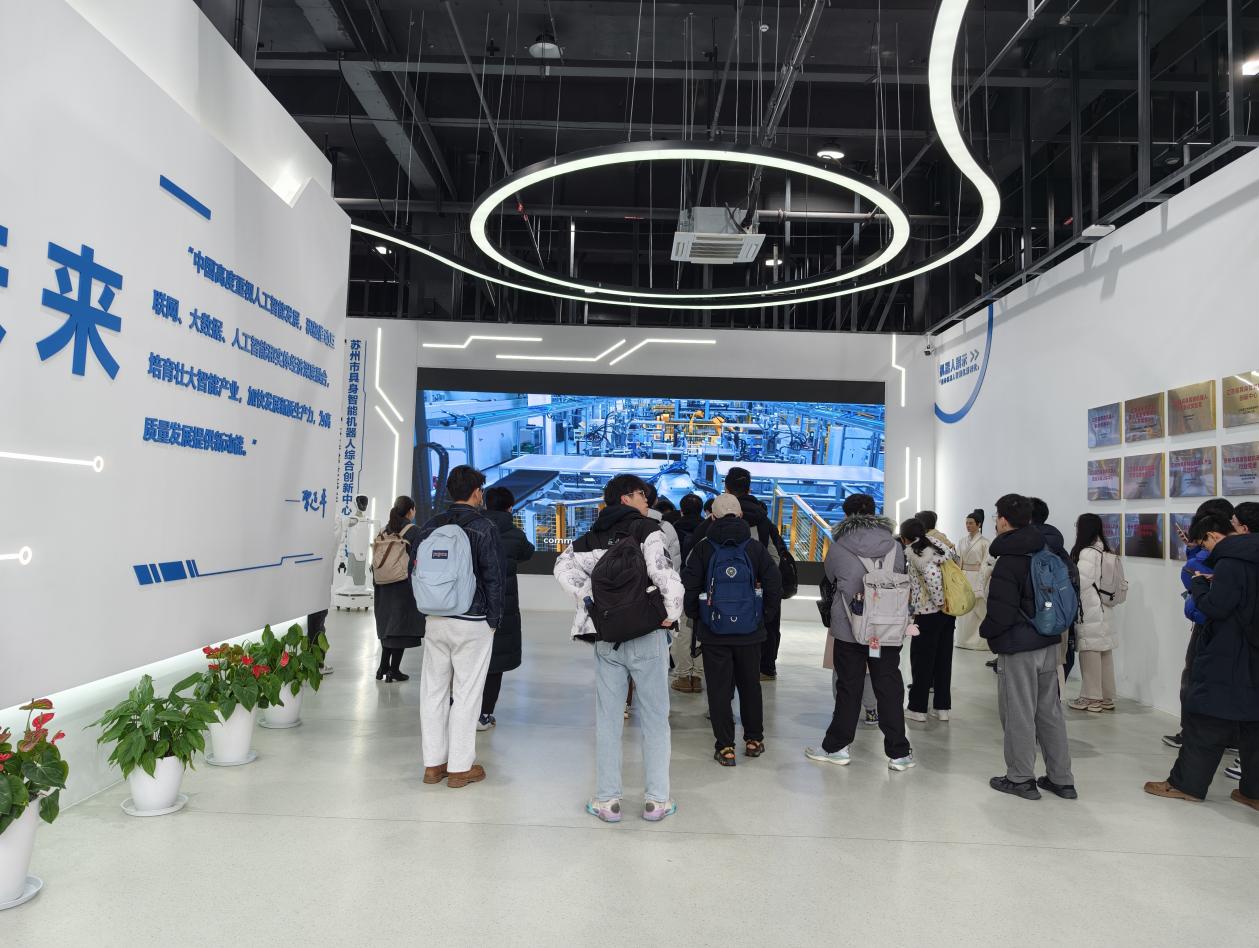
On February 6th, the participants visited the Suzhou Embodied Intelligence Center for a learning tour. Through introductions provided by the staff, they learned about the development roadmap for the embodied intelligence field in Suzhou. They also toured multiple experimental facilities, including a humanoid robot experiment platform, an optoelectronic noise experiment platform, and a teleoperation data collection platform.
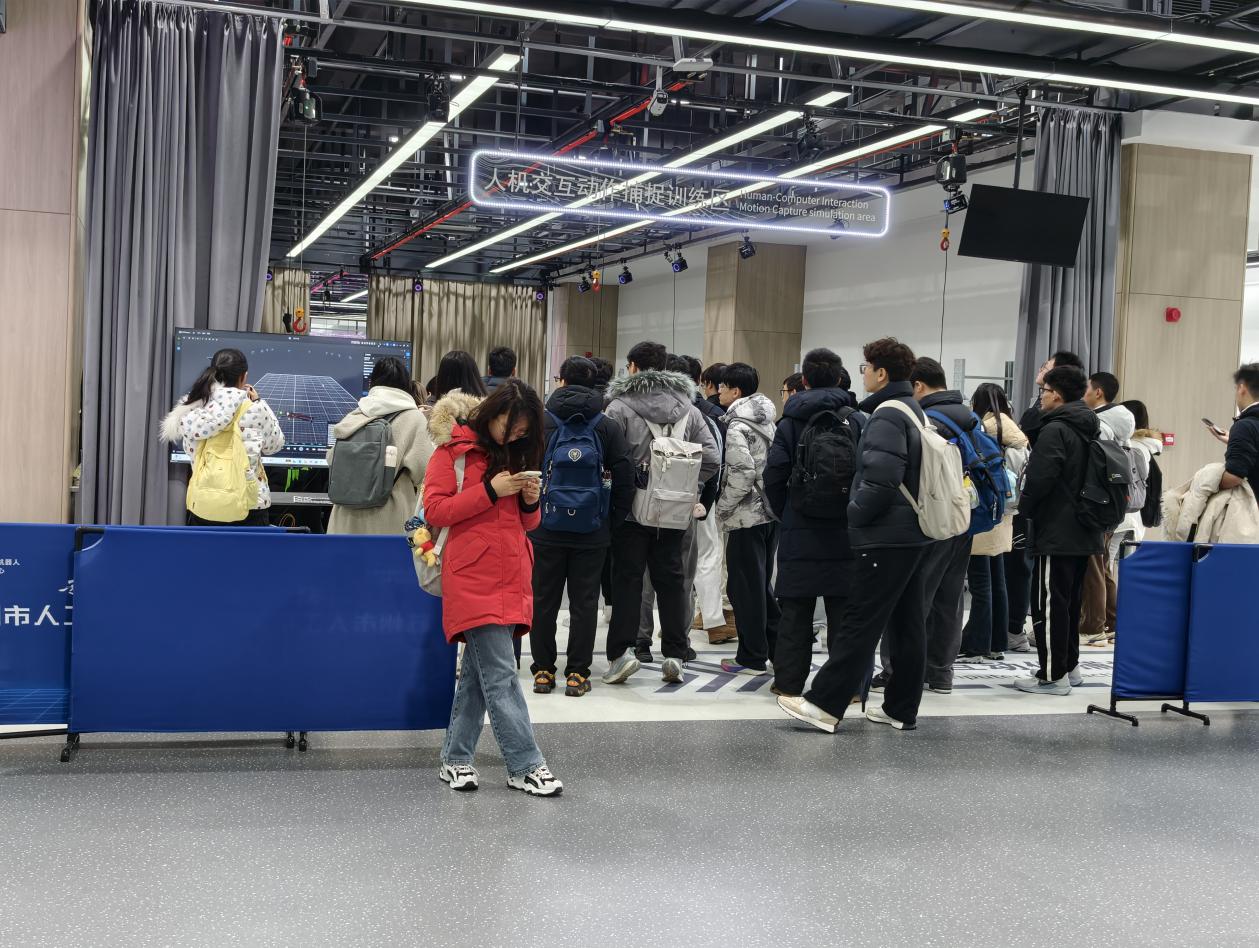
Under the guidance and assistance of the Winter Camp instructors and teaching assistants, the participants conducted physical experiments in groups. The Grasping Group focused on data collection and task reproduction using the Franka robotic arm, attempting to transfer simulation algorithms to real-world equipment and complete basic grasping tasks. The Navigation Group made targeted adjustments to the LaViRA algorithm and deployed it on the Go2 quadruped robot platform. Through this process, the students personally experienced the complete workflow of taking algorithms from simulation to physical systems, deepening their understanding of the integration between theory and engineering.
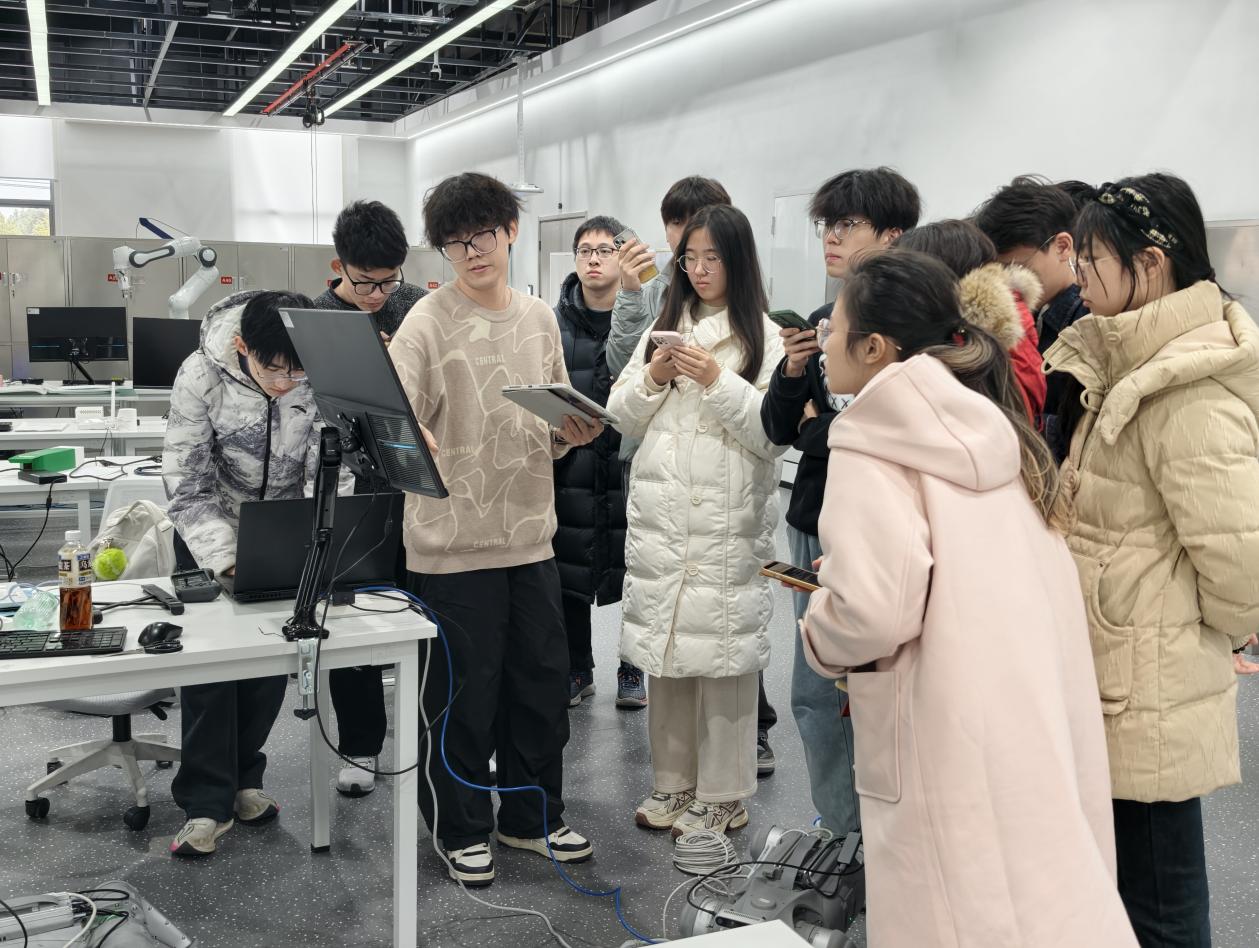
The participants listened attentively as the teaching assistant introduced the safety precautions for the robotic dog experiment
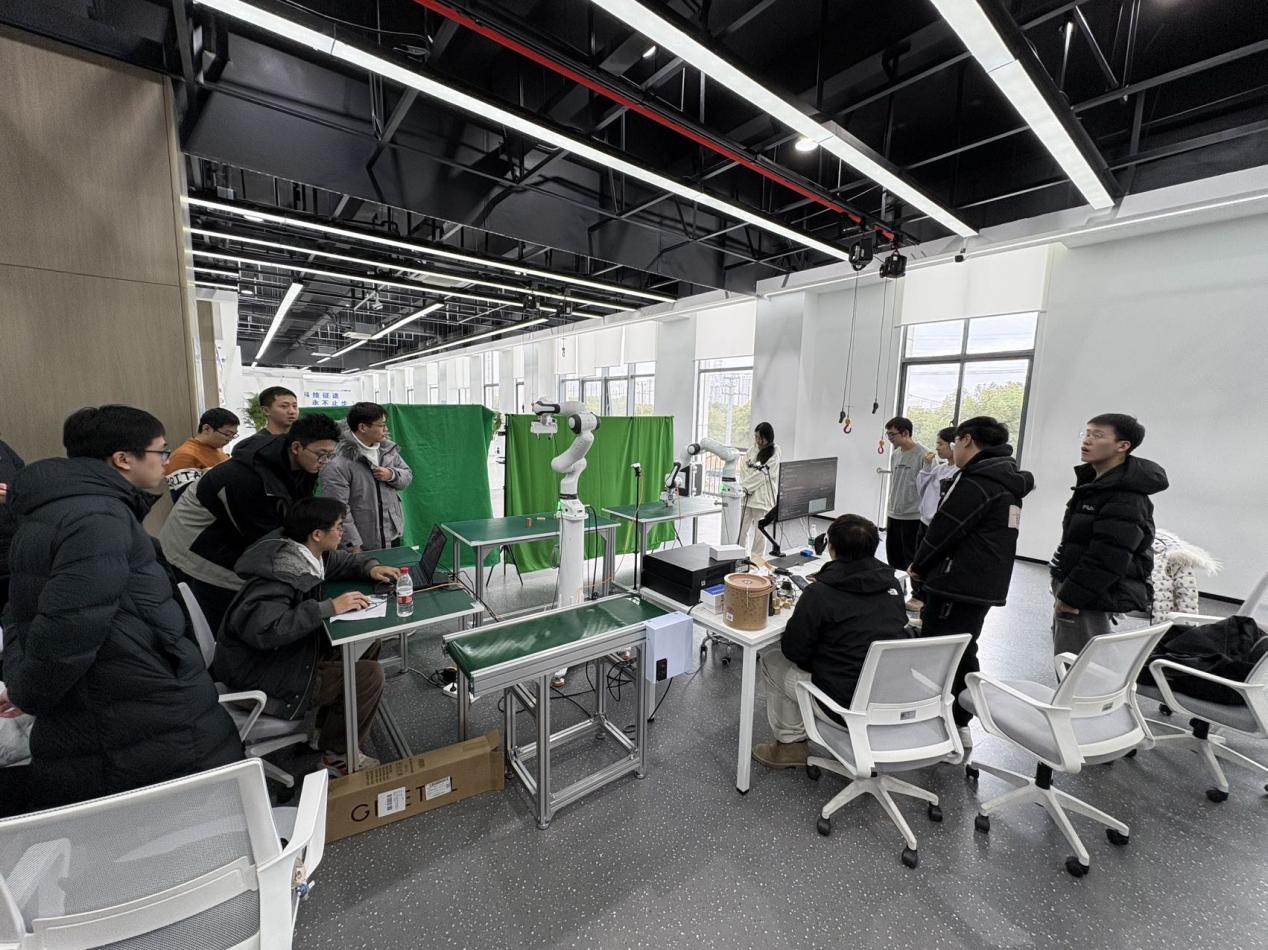
The participants familiarized themselves with the basic operations of the robotic arm
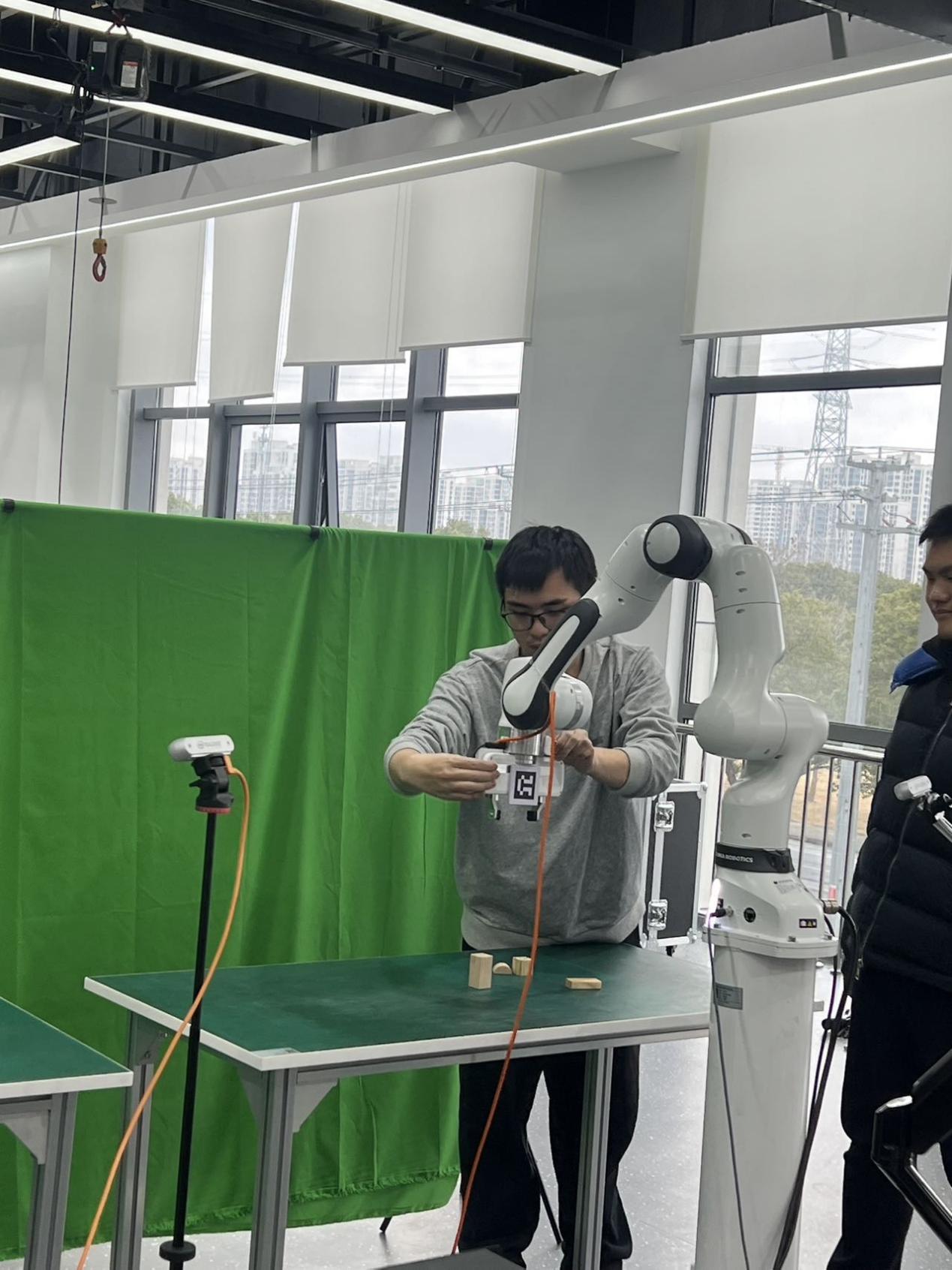
The participants debugged/tuned the robotic arm
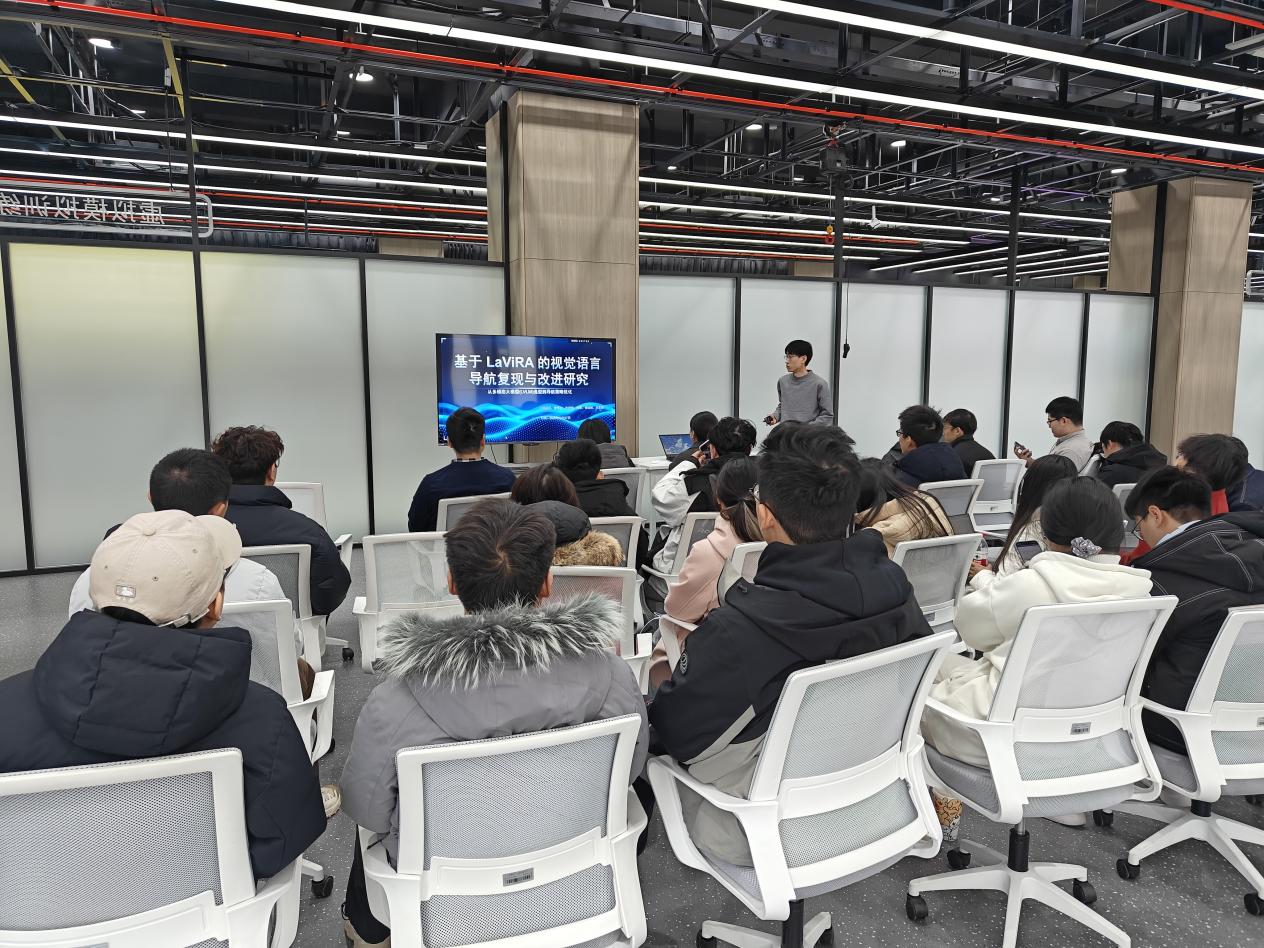
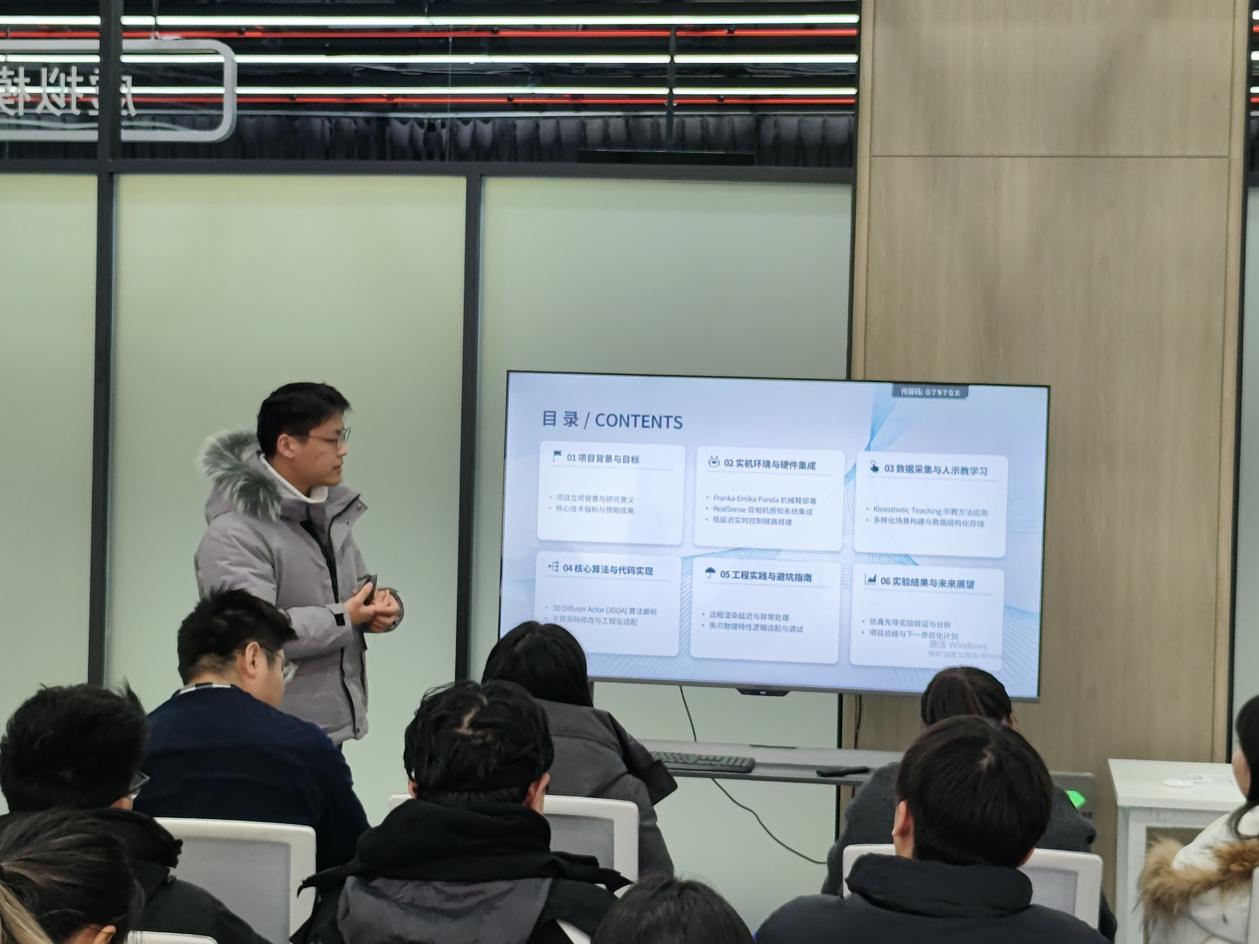
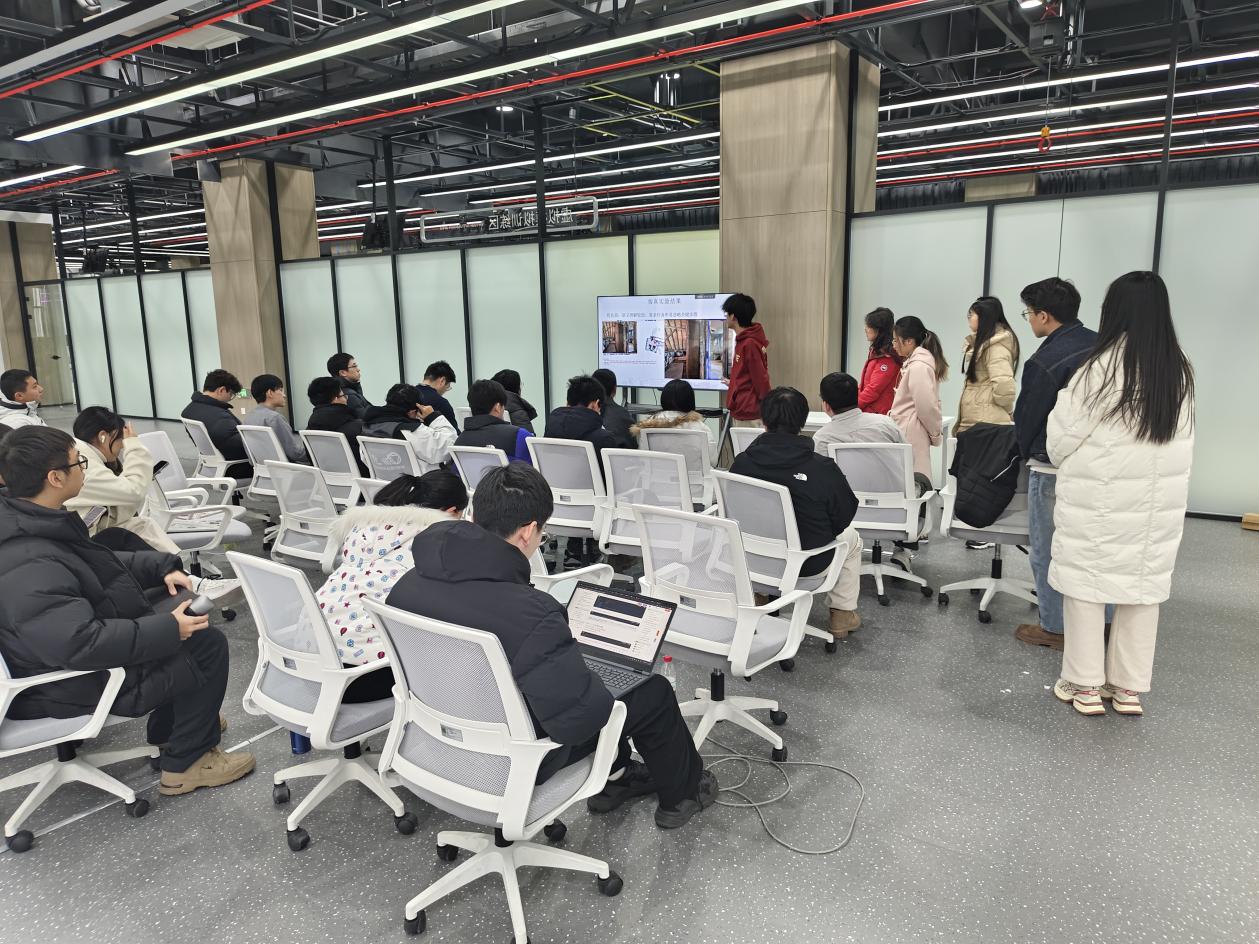
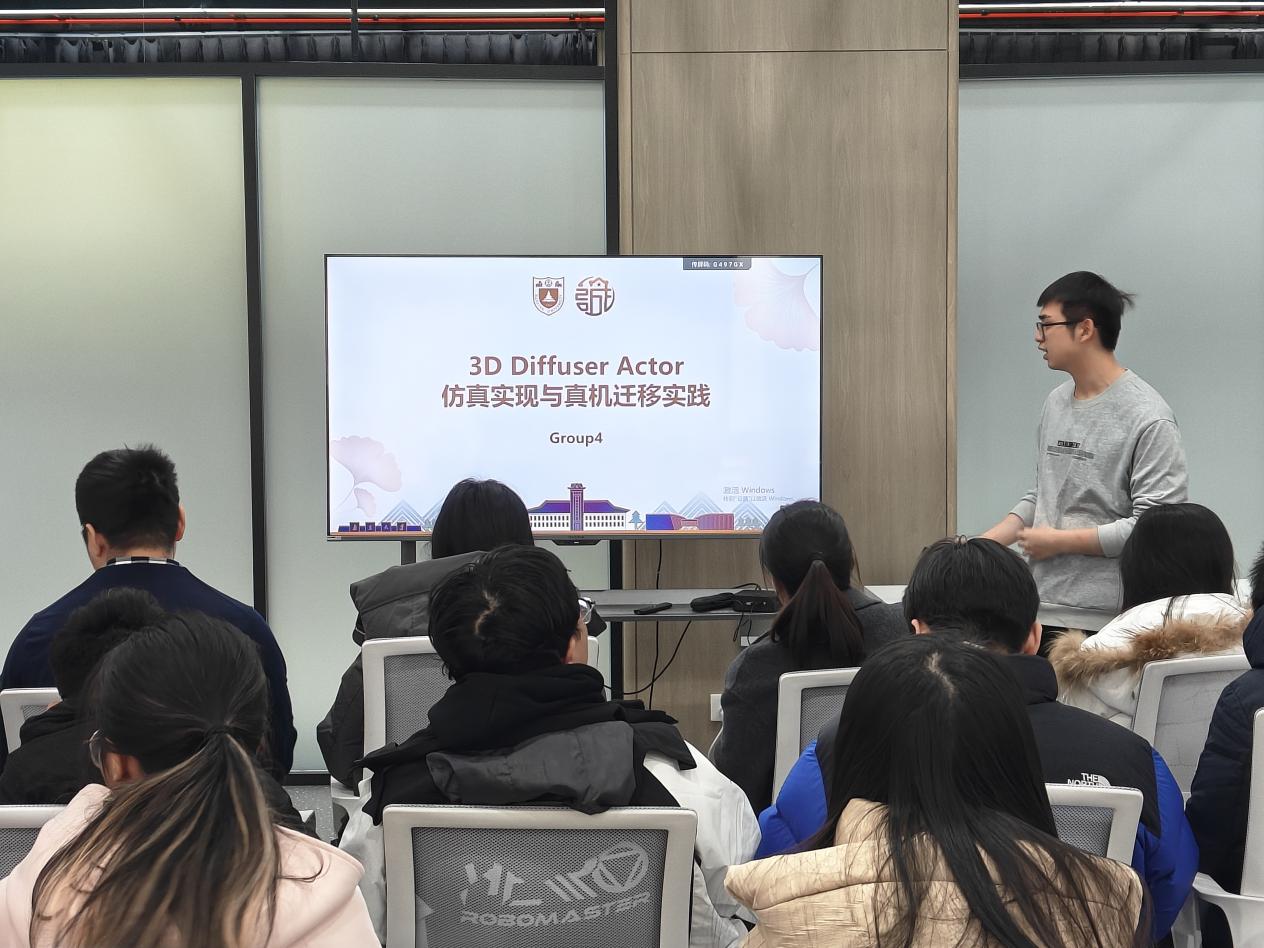
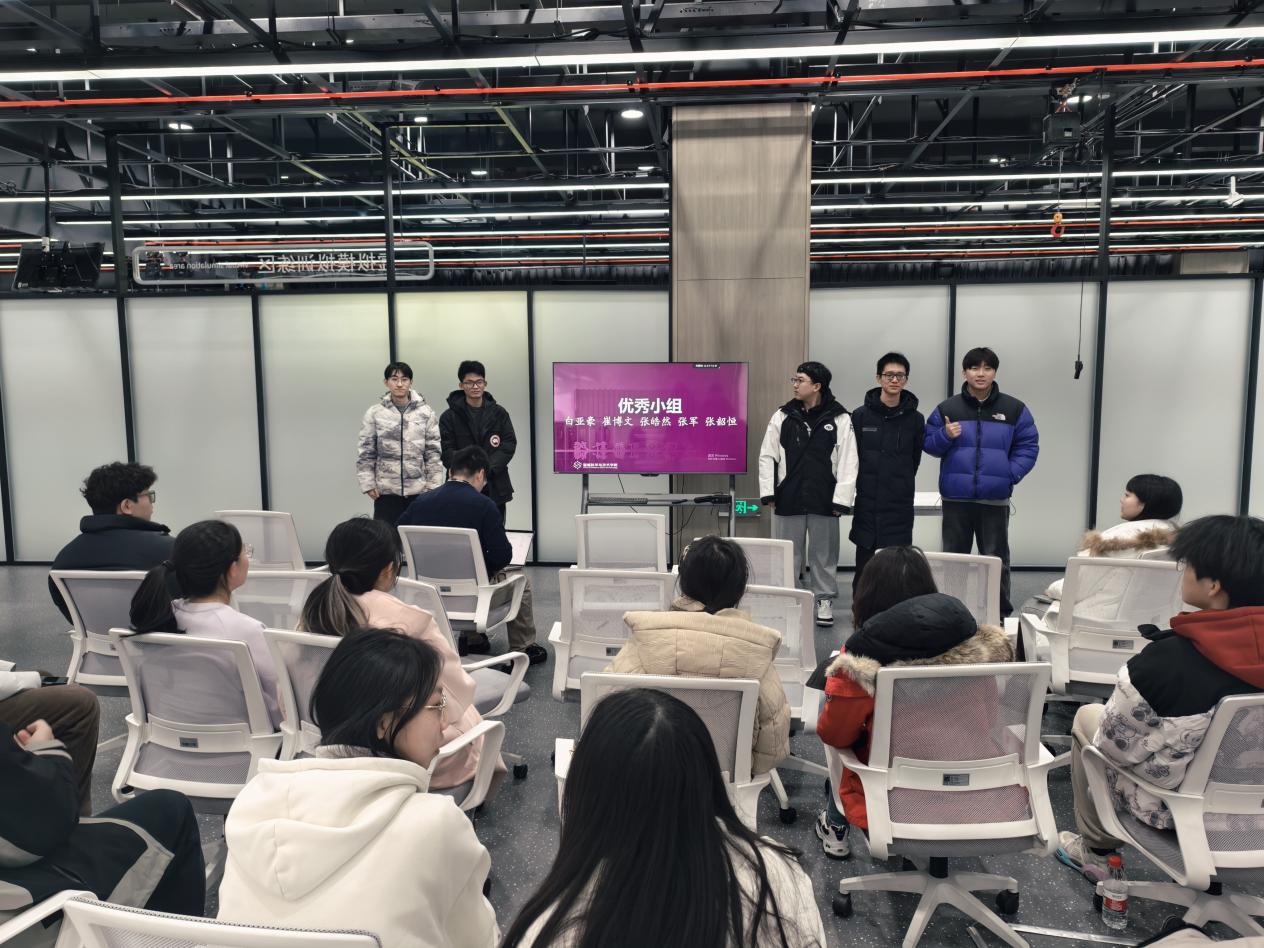
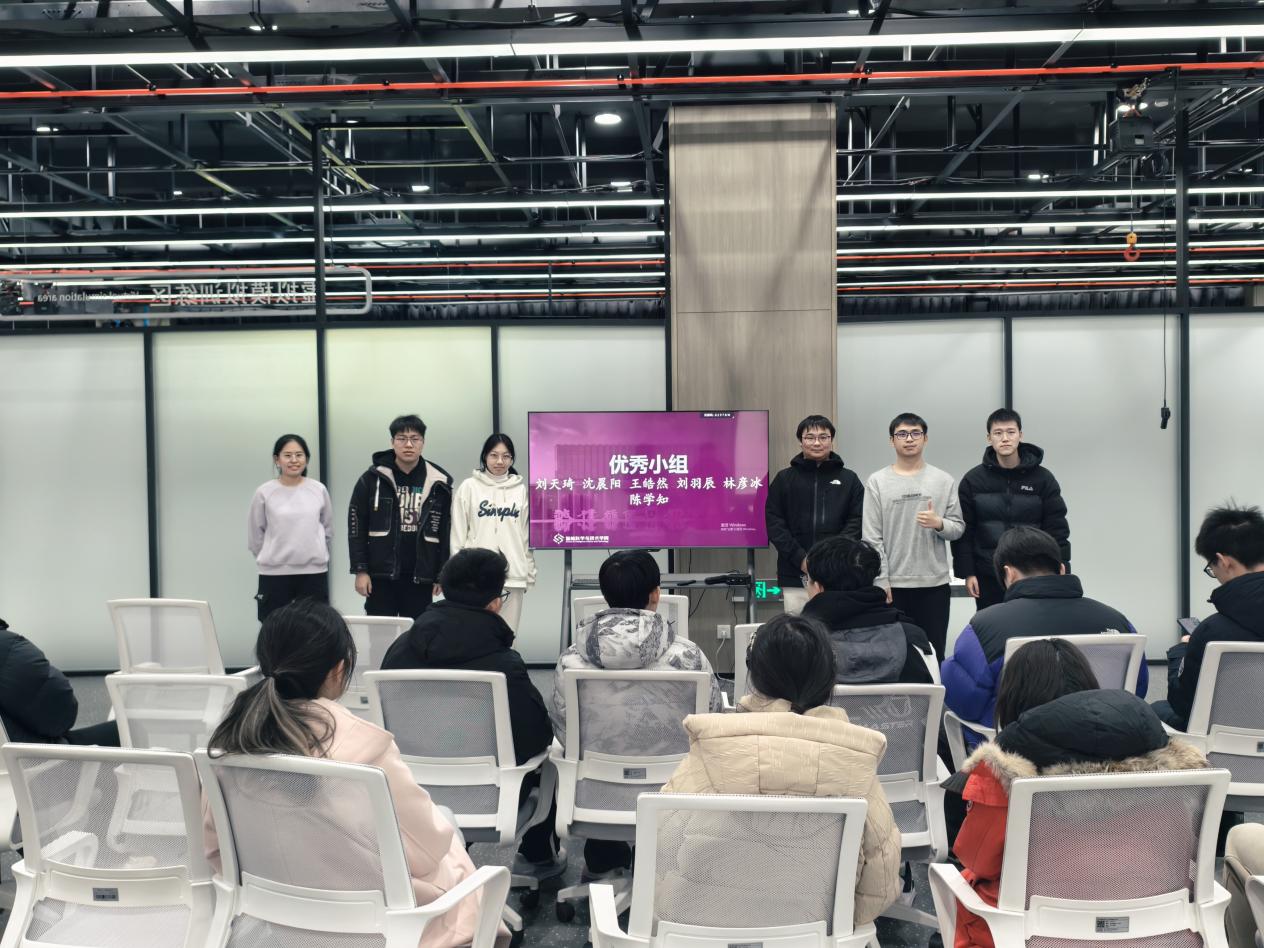
On February 7th, the participants presented their experimental results in groups and engaged in in-depth discussions with the instructors. Finally, based on evaluations by the instructors and teaching assistants, two groups were selected as the Outstanding Groups of the Winter Camp.
Through its four-day intensive schedule and high-strength practical activities, this Winter Camp enabled participants to achieve significant improvements in their professional knowledge, engineering practice abilities, and teamwork and communication skills. It also provided the students with a platform to exchange ideas and connect with outstanding peers. Moving forward, the School of Intelligence Science and Technology at Nanjing University will continue to advance talent cultivation and discipline development in the field of embodied intelligence, striving to cultivate more young scientific and technological talents with innovative spirit and practical abilities, and to continuously achieve new breakthroughs in this academic field.