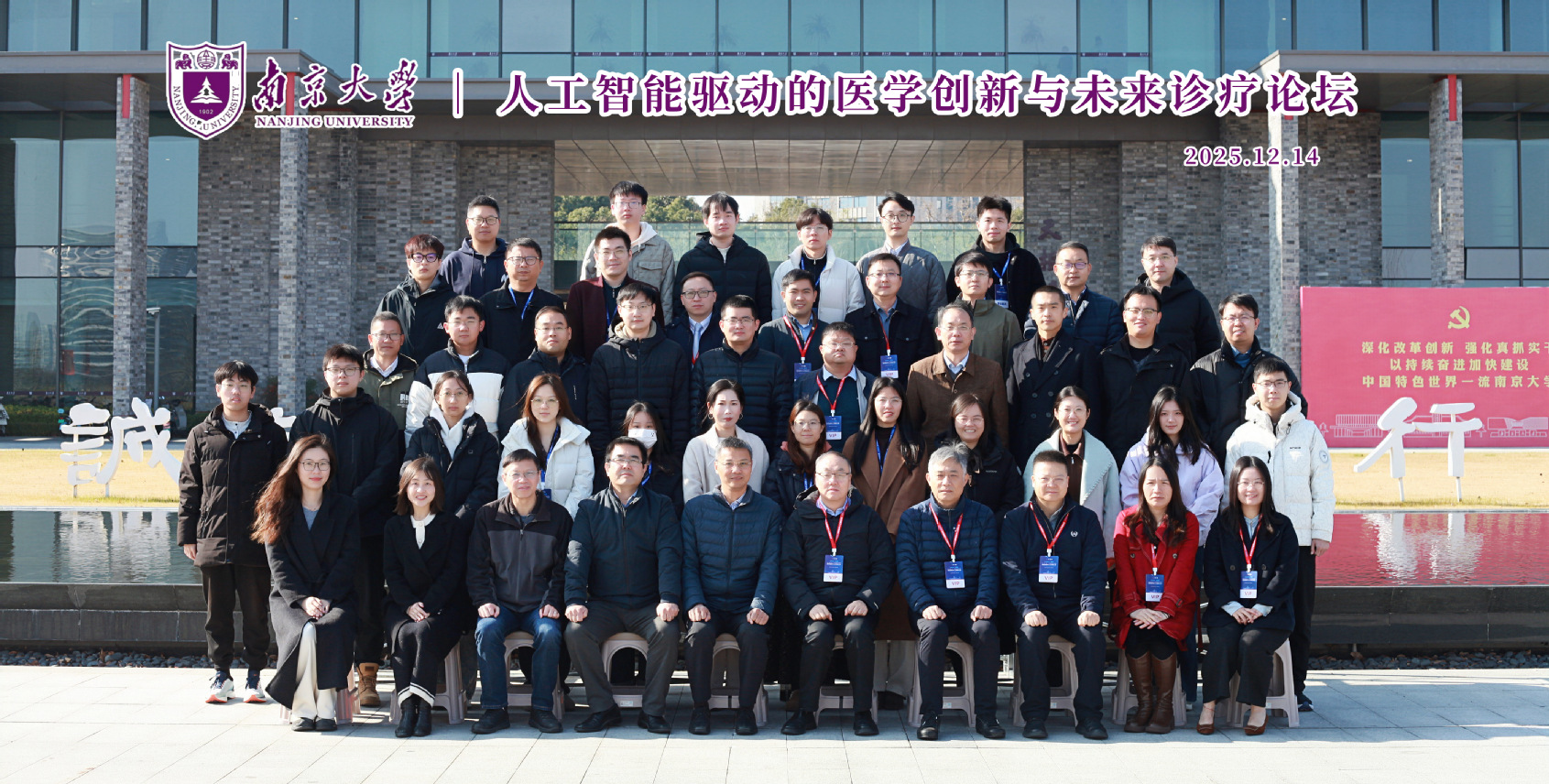
On December 14, 2025, the Forum on AI-Driven Medical Innovation and Future Diagnostics & Treatment was successfully held at the Suzhou Campus of Nanjing University. The forum was organized by the Chinese Society of Biomedical Engineering, and hosted by the School of Artificial Intelligence at Nanjing University, the National Institute of Health Data Science, and the Nanjing University-Gulou High-Tech Group Joint Laboratory for Health Data and AI. Experts and scholars from renowned universities, research institutes, hospitals, and enterprises engaged in in-depth discussions on cutting-edge technologies, clinical applications, and industrial practices in medical artificial intelligence, jointly exploring future trends in intelligent healthcare. The forum was chaired by Professor Shan Caifeng, Vice Dean of the School of Artificial Intelligence, and Tenure-Track Associate Professor Fang Yuqi.
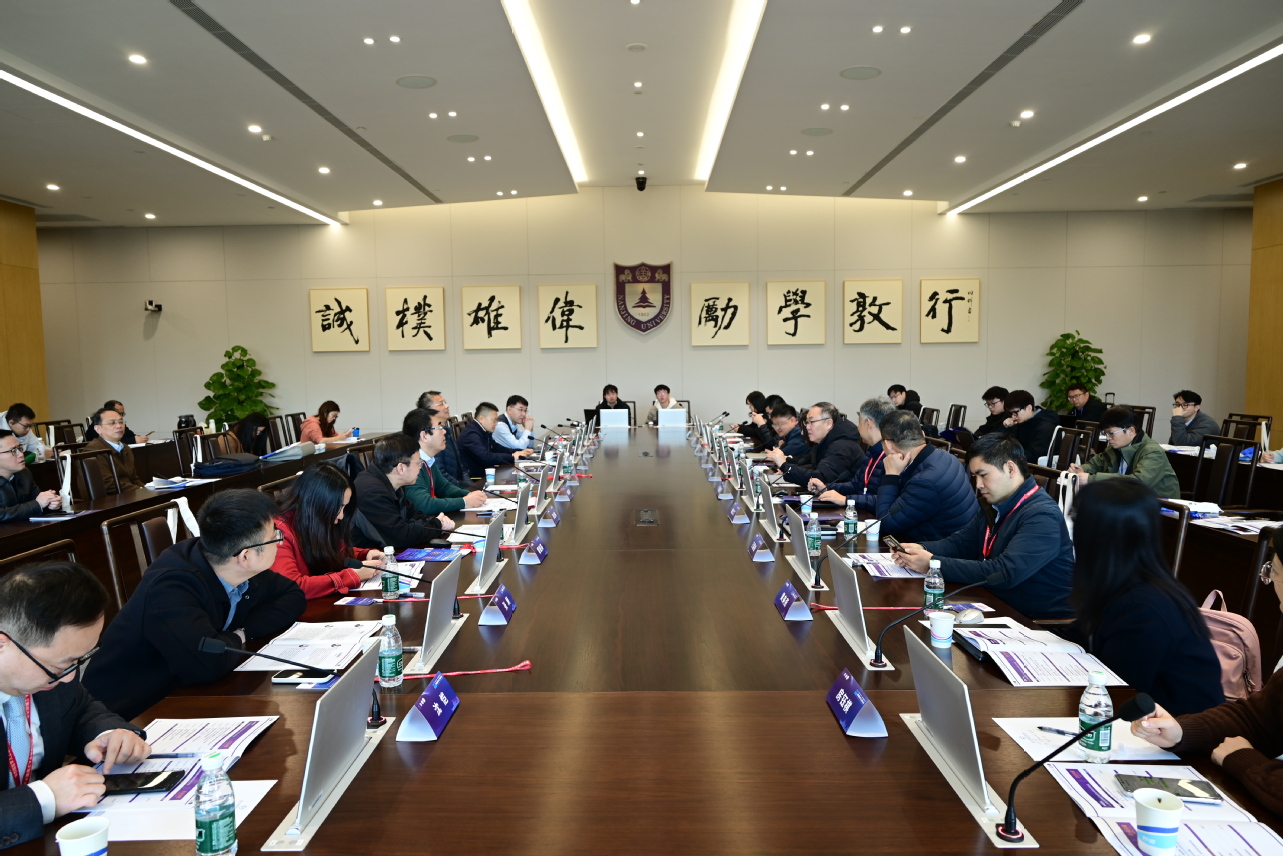
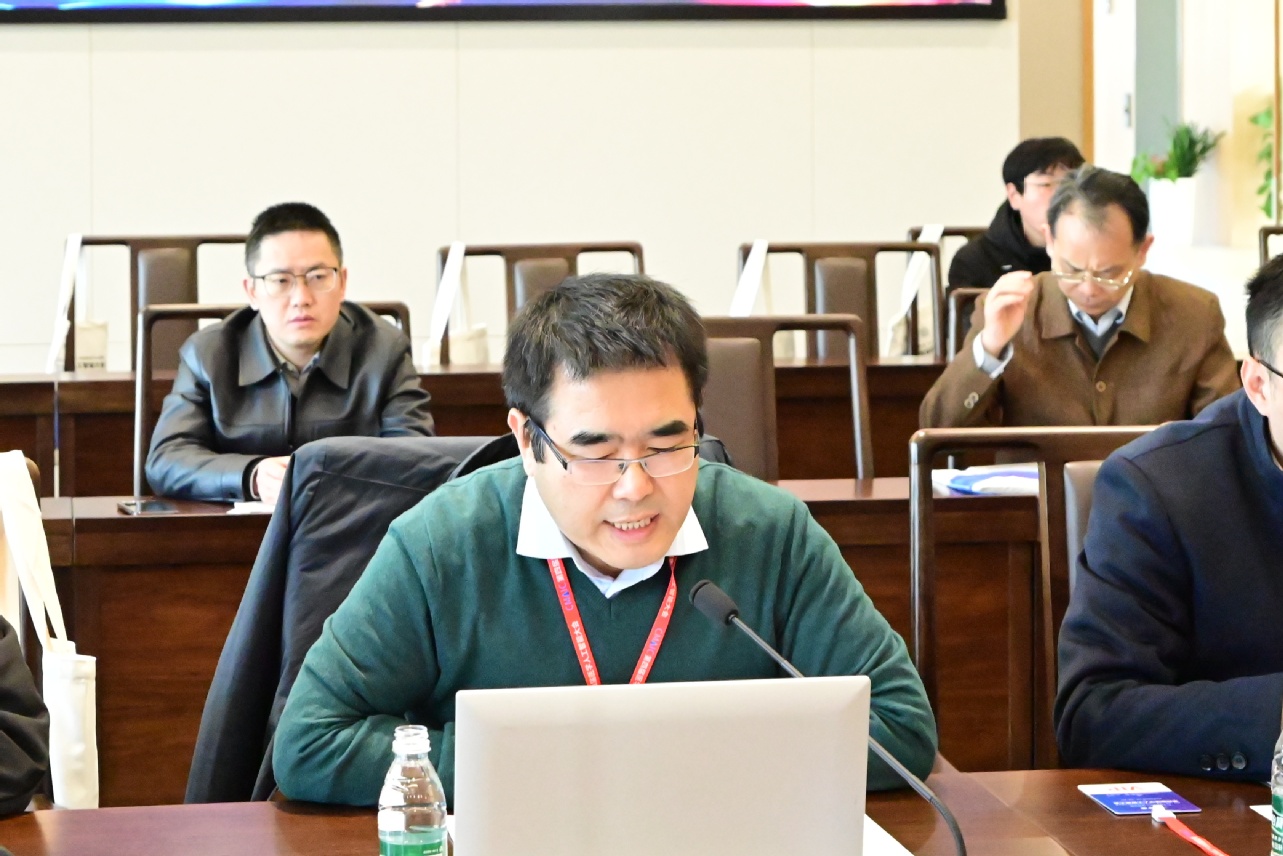
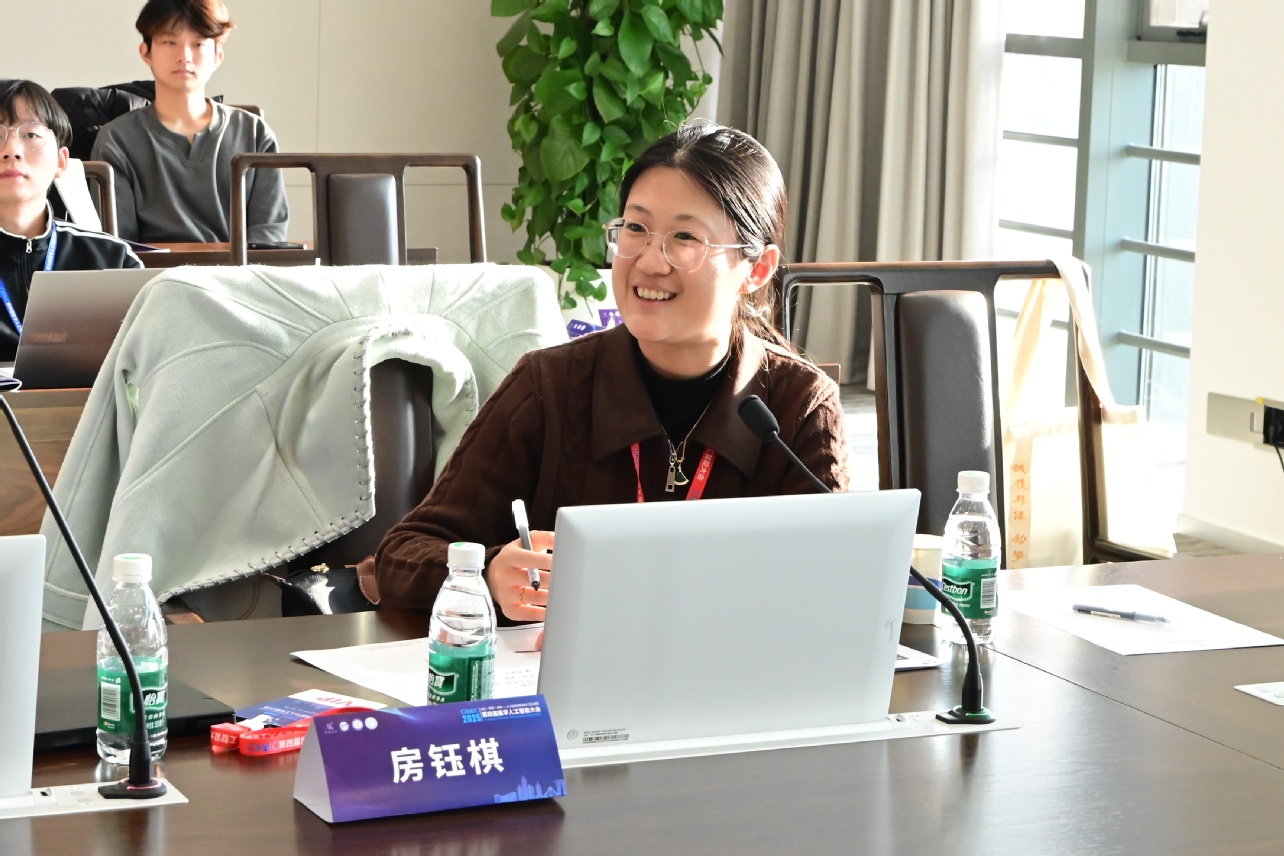
The opening ceremony of the forum was presided over by Shan Caifeng. He noted that medical artificial intelligence is currently transitioning from technological innovation to a critical phase of deep integration and systematic development. This shift represents not only methodological advancement but also a profound evolution in diagnostic and treatment paradigms as well as health concepts. He expressed his hope that through this forum, insights from clinical medicine, artificial intelligence, industrial development, and other fields could converge to explore how cutting-edge technologies can genuinely empower medical practice, address real-world challenges, and create new value.
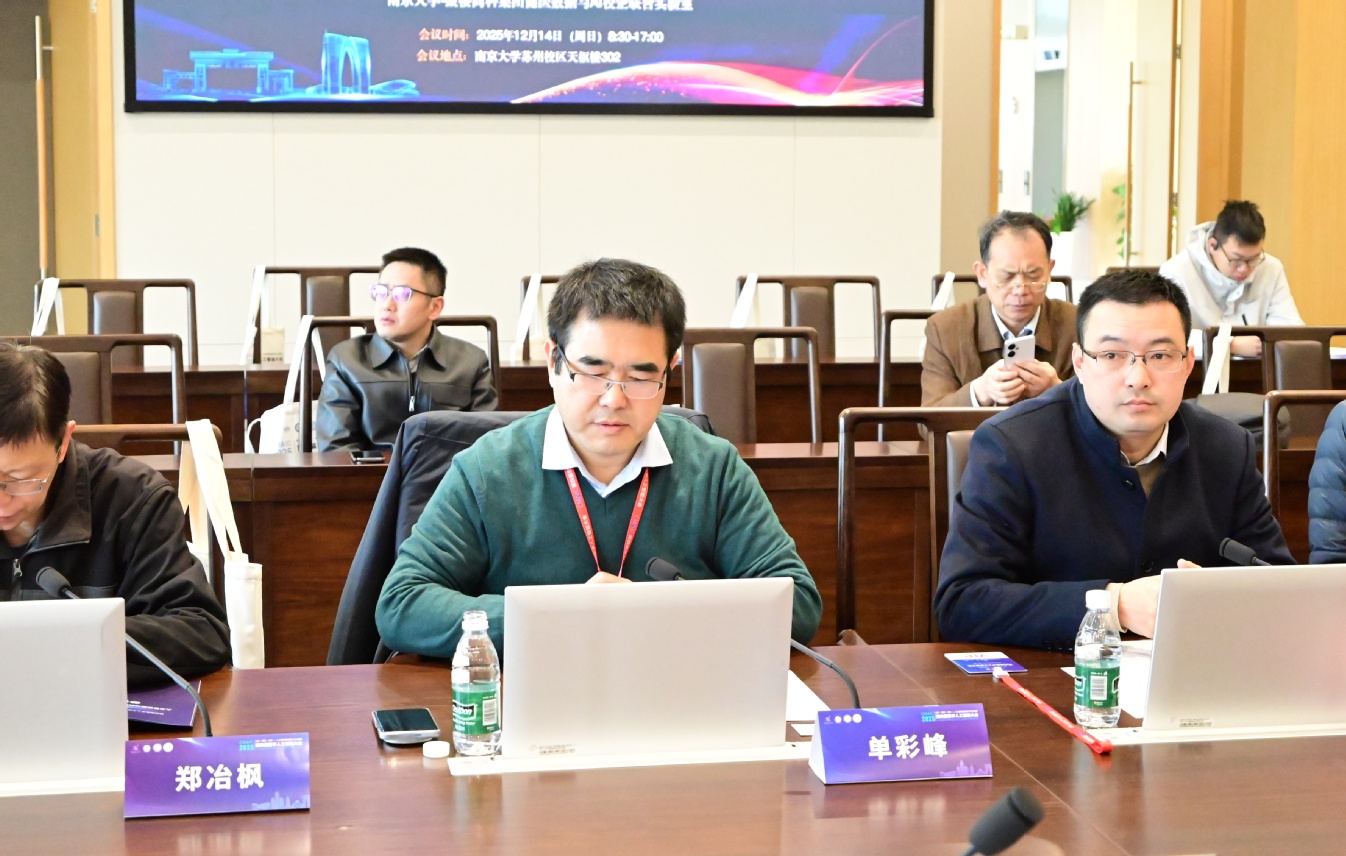
At the opening ceremony, Luo Gang, Deputy Director of the Nanjing University Office and Director of the Suzhou Campus Office, delivered a speech, extending a warm welcome to all the experts and scholars on behalf of the Suzhou Campus of Nanjing University. He emphasized that the deep integration of artificial intelligence and healthcare is profoundly transforming diagnostic and treatment models as well as health management approaches. The School of Artificial Intelligence is committed to harnessing interdisciplinary strengths to advance research and innovative applications in this field, contributing solid Nanjing University expertise to the intelligent transformation of healthcare. He expressed his hope that the forum would serve as a high-level platform for exchange, bringing together insights from academic and industry experts to jointly promote medical innovation and the development of intelligent healthcare, deepen industry-academia-research-medical collaboration, and inject innovative momentum into the Healthy China initiative.
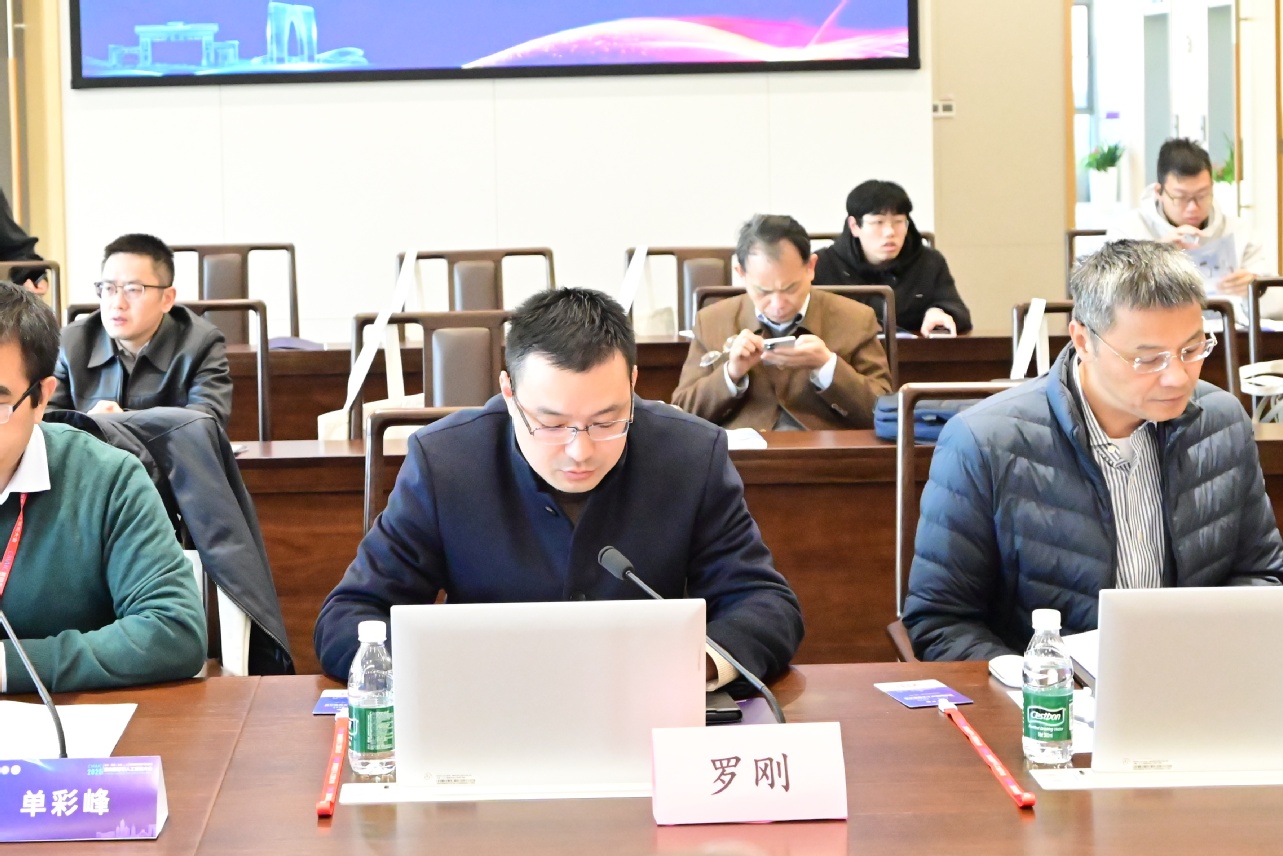
Following the opening ceremony, the participants engaged in in-depth academic exchanges and discussions centered on the forum theme of AI-Driven Medical Innovation and Future Diagnostics & Treatment.
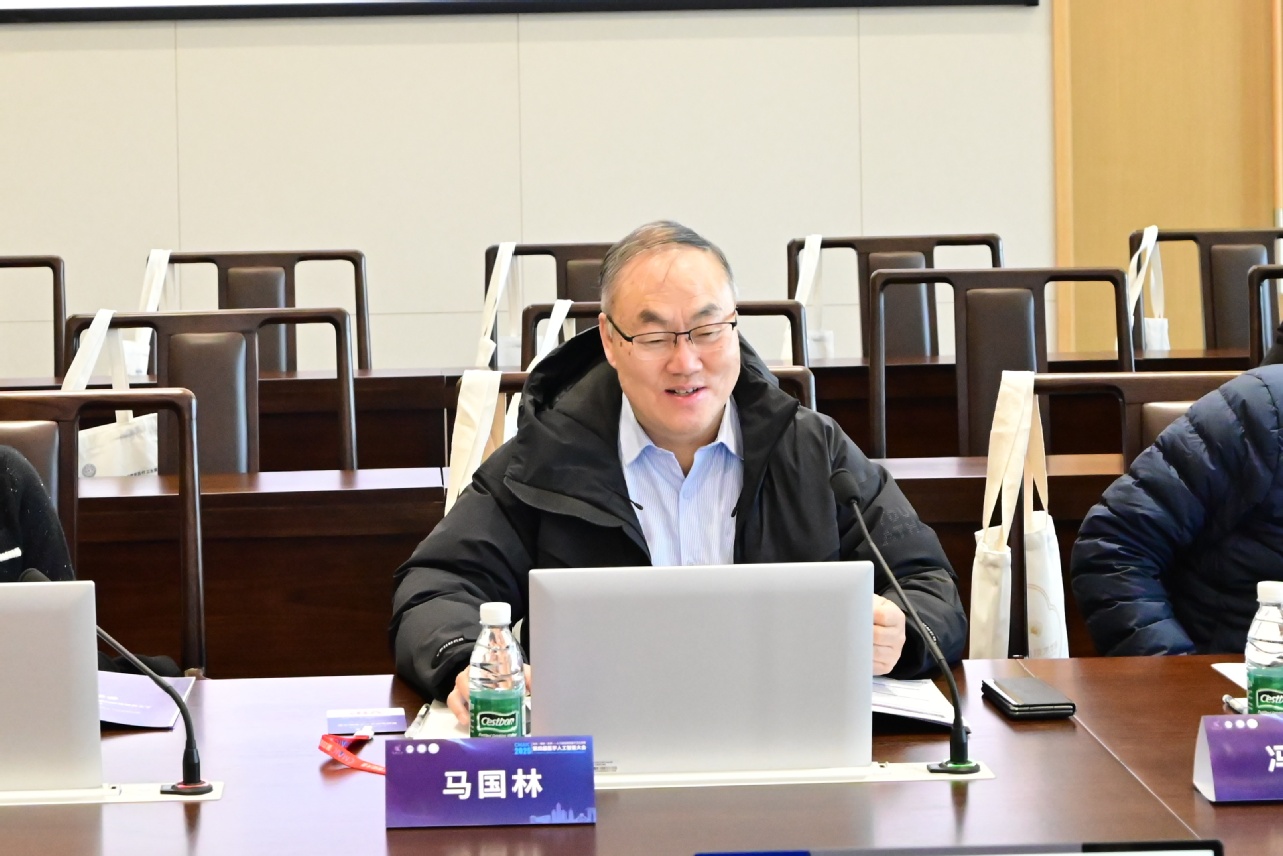
Ma Guolin, Director of the Radiology Department at China-Japan Friendship Hospital, delivered a presentation titled The Role of Multimodal MRI Brain Imaging in Revealing Neural Plasticity in Audiovisual and Olfactory Perception Disorders. His report closely aligned with clinical realities and comprehensively utilized multimodal MRI technologies such as fMRI, DTI, ASL, and QSM to systematically unveil neural plasticity changes in conditions like amblyopia, deafness, tinnitus, and olfactory disorders at the levels of brain structure, function, blood flow, and molecular metabolism. He also introduced his team's explorations in intervention approaches such as visual training and tDCS neuromodulation, providing crucial imaging evidence for the assessment and rehabilitation of perceptual disorders. Additionally, he extended a collaboration proposal to scholars in the field of artificial intelligence.
Professor Zhou Shaohua from the University of Science and Technology of China, in his presentation titled Unified Foundation Models for Medical Imaging AI: Current Status, Technologies, and Trends, systematically outlined the developmental trajectory of AI technologies from perceptual AI to generative AI and agent AI, drawing on his team's research findings. He noted that current research in medical imaging AI is shifting from small tasks with big data to unified foundation models for large tasks with small data, using modeling complexity and task complexity as key perspectives. While challenges such as data granularity mismatches arise when transferring general foundation models to medical imaging, their demonstrated strong generalization capabilities remain of significant importance.
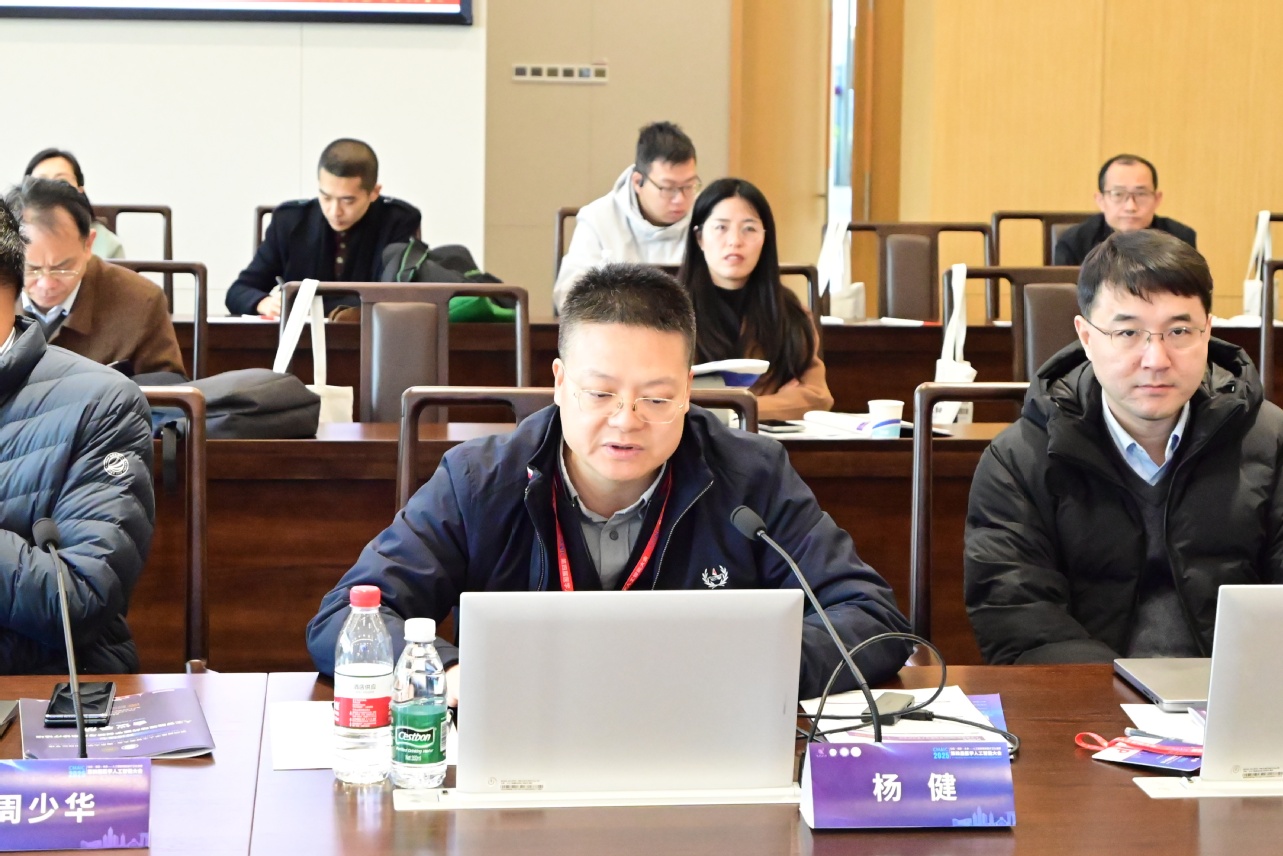
Professor Yang Jian from Beijing Institute of Technology delivered a keynote report titled Research Progress in Endoscopic Embodied Intelligent Surgical Navigation, showcasing his team's independent innovations in the field of surgical robot positioning and navigation. He highlighted that the team has independently developed a series of domestically produced high-end medical devices, including the Rui Tong surgical robot visual positioning system, significantly reducing dependence on imports and associated costs. By integrating key technologies such as 3D reconstruction and depth estimation, his team has constructed a high-precision, real-time surgical environment perception and navigation system. Looking ahead, he expressed his anticipation that smart operating rooms will gradually realize embodied intelligent surgical robots capable of perceiving while deciding, advancing surgical procedures toward greater precision and autonomy.
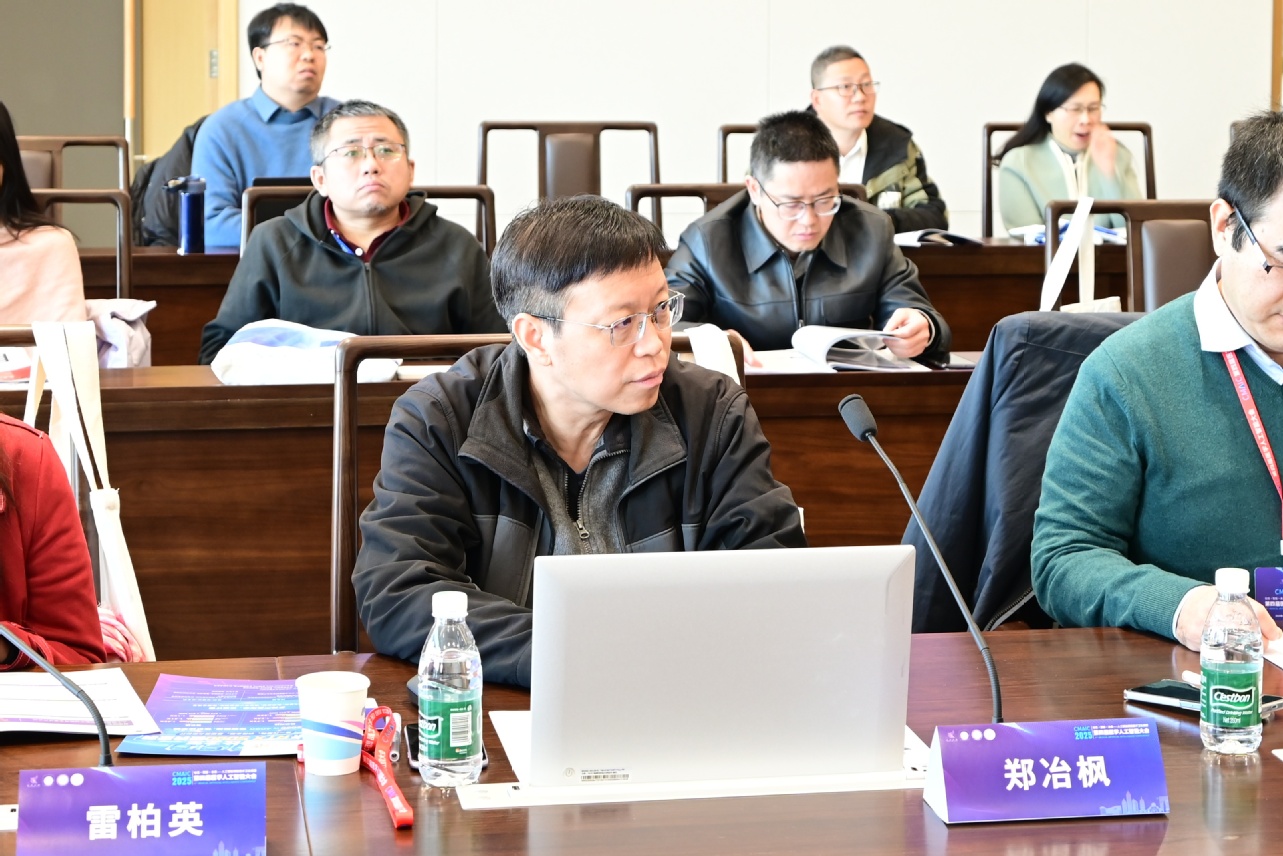
Professor Zheng Yefeng from Westlake University, in his presentation titled Medical Large Models: Cutting-Edge Technologies, Automated Evaluation, and Clinical Applications, systematically reviewed the latest advancements in medical large models. Starting from the developmental trajectory of large models, he pointed out that the Transformer architecture has facilitated the unification of text and image tasks, and further introduced application directions for medical large models, such as clinical coding, report generation, and embodied intelligence. He summarized the current state of development in both medical large language models and multimodal medical large models, demonstrating their practical applications in various scenarios, including medical licensing examinations, doctor-patient dialogues, and clinical medication support.
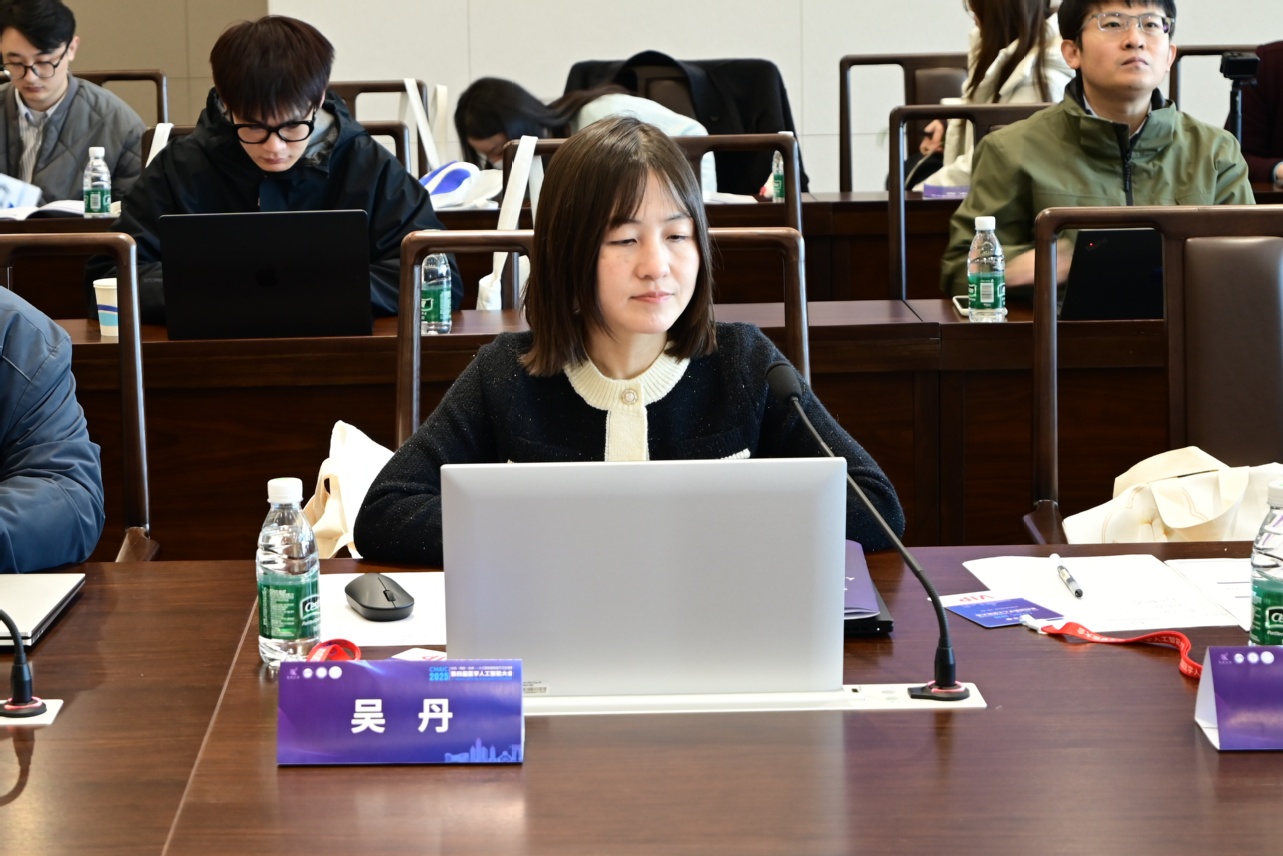
Professor Wu Dan from Zhejiang University delivered a keynote presentation titled AI-Enhanced Magnetic Resonance Microimaging Technology, focusing on cutting-edge explorations in diffusion magnetic resonance imaging for reconstructing cellular microstructure. She noted that traditional microstructure analysis methods based on mathematical fitting face numerous limitations, while deep learning offers new potential for breakthroughs in this field. She highlighted her team's development of Time-Dependent Diffusion MRI Microstructure Imaging technology, providing a comprehensive overview of the challenges encountered and corresponding solutions throughout the process—from constructing the physical theoretical model to clinical application. Additionally, she showcased the technology's implementation in over a hundred hospitals across China for diagnosing prostate and breast cancers, offering a novel technical pathway for advancing magnetic resonance imaging toward the analysis of cellular-level microscopic information.
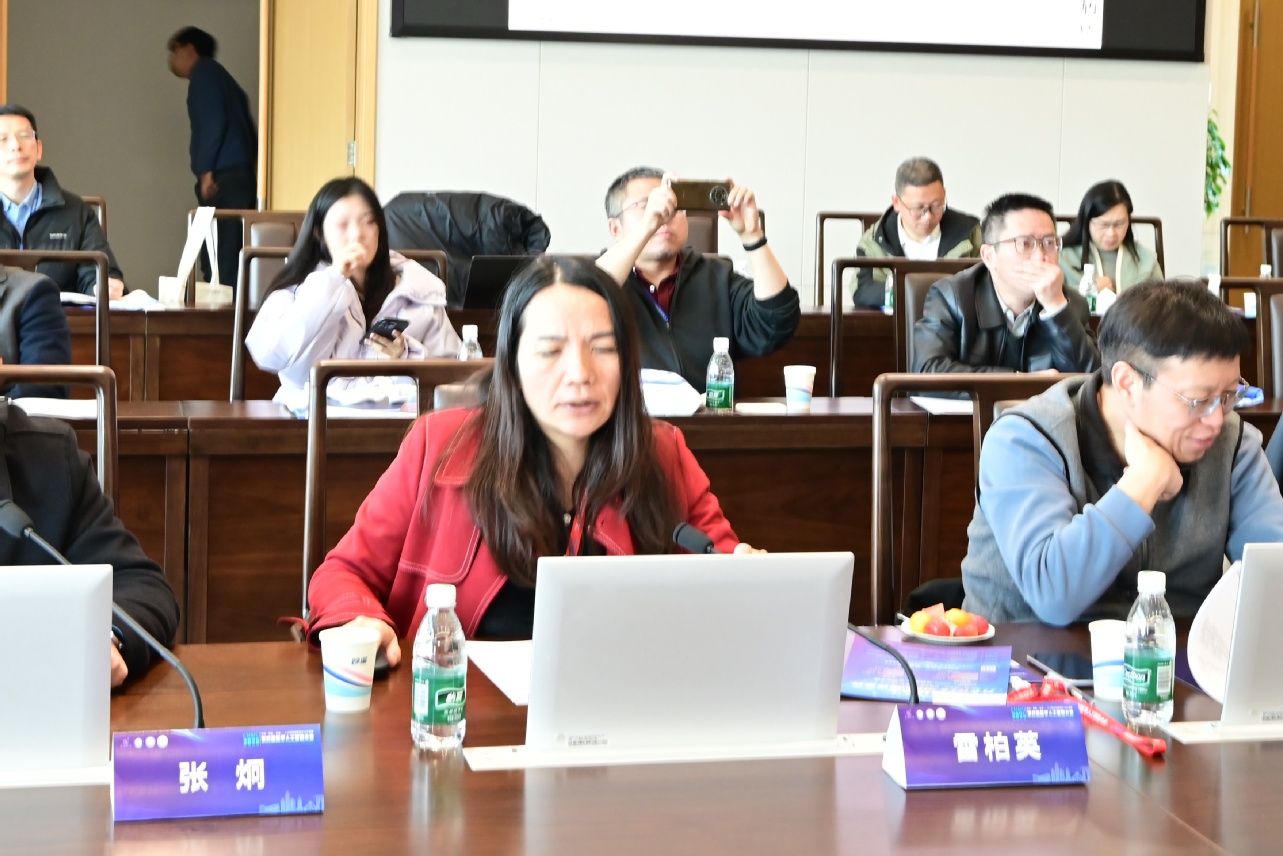
Professor Lei Baiying from Shenzhen University delivered a presentation titled AI-Enabled Medical Image Computing. Addressing the significant burden on radiologists and the variability in image interpretation influenced by individual experience, she introduced her research work from three perspectives: data optimization, feature optimization, and model optimization. At the data level, she enhanced analysis accuracy through multi-scale collaborative optimization. At the feature level, she constructed multi-scale attention mechanisms to precisely capture representations. At the model level, she designed brain atlas-guided approaches to significantly improve the clinical adaptability of models. Currently, the outcomes of this research have been demonstrated and applied in several medical institutions, including the Shenzhen Eye Hospital.
Professor Chen Hao from the Hong Kong University of Science and Technology delivered a presentation titled Large Models Empowering Smart Healthcare: Challenges and Future, systematically sharing innovative practices and forward-looking insights into the development of medical large models. He reiterated the critical importance of data and computing power as weapons in advancing medical large models. Guided by the principle of building cohorts and tackling tough challenges, his team has established a multimodal large model research framework covering X-rays, CT, and MRI. Furthermore, he is committed to promoting the synergistic integration of multimodal information and exploring pathways to combine general and specialized models. He emphasized that future medical large models should further deepen the integration of clinical expertise with large model technologies to build next-generation medical intelligent systems with enhanced generalization capabilities and clinical practicality.
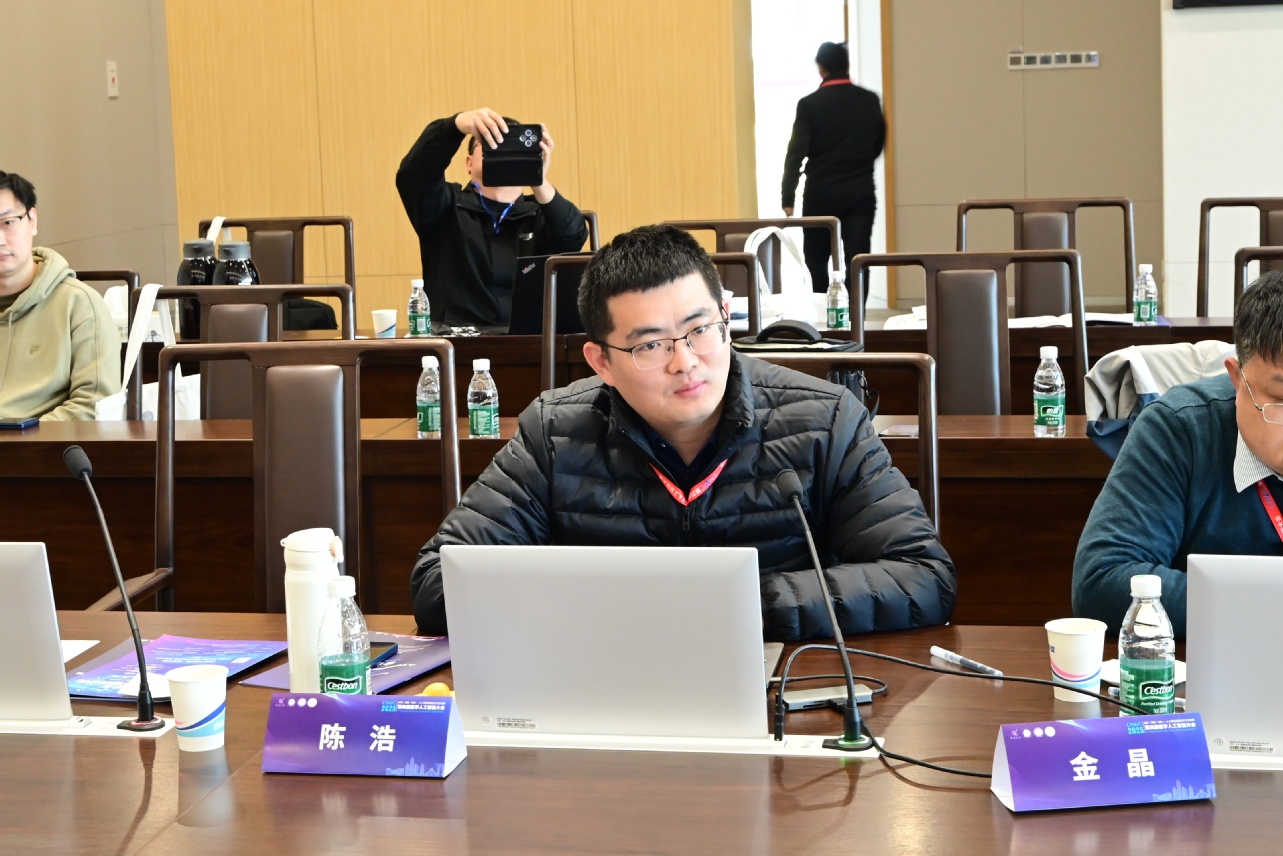
Professor Wang Guotai from the University of Electronic Science and Technology of China delivered a presentation titled Unsupervised Cross-Domain Adaptation for Medical Imaging AI Models. Focusing on the issue of inconsistent cross-domain data distribution in medical imaging due to variations in equipment, protocols, and populations in practical applications, he systematically introduced three key technologies: unsupervised domain adaptation, source-free domain adaptation, and test-time adaptation. He further emphasized that such adaptive mechanisms are not only applicable to traditional models but can also be integrated with the emerging foundation models, providing crucial methodological support for building more robust and generalizable medical imaging intelligent systems.
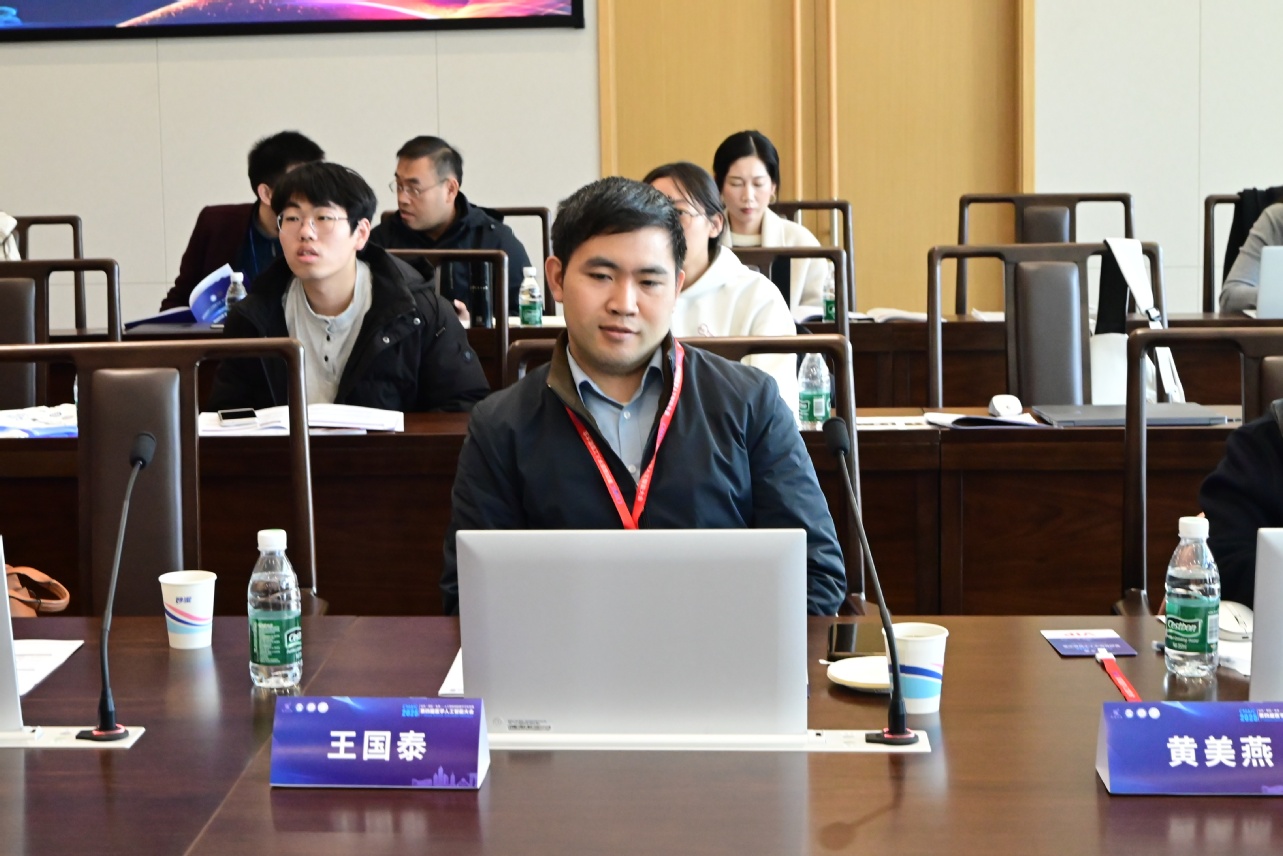
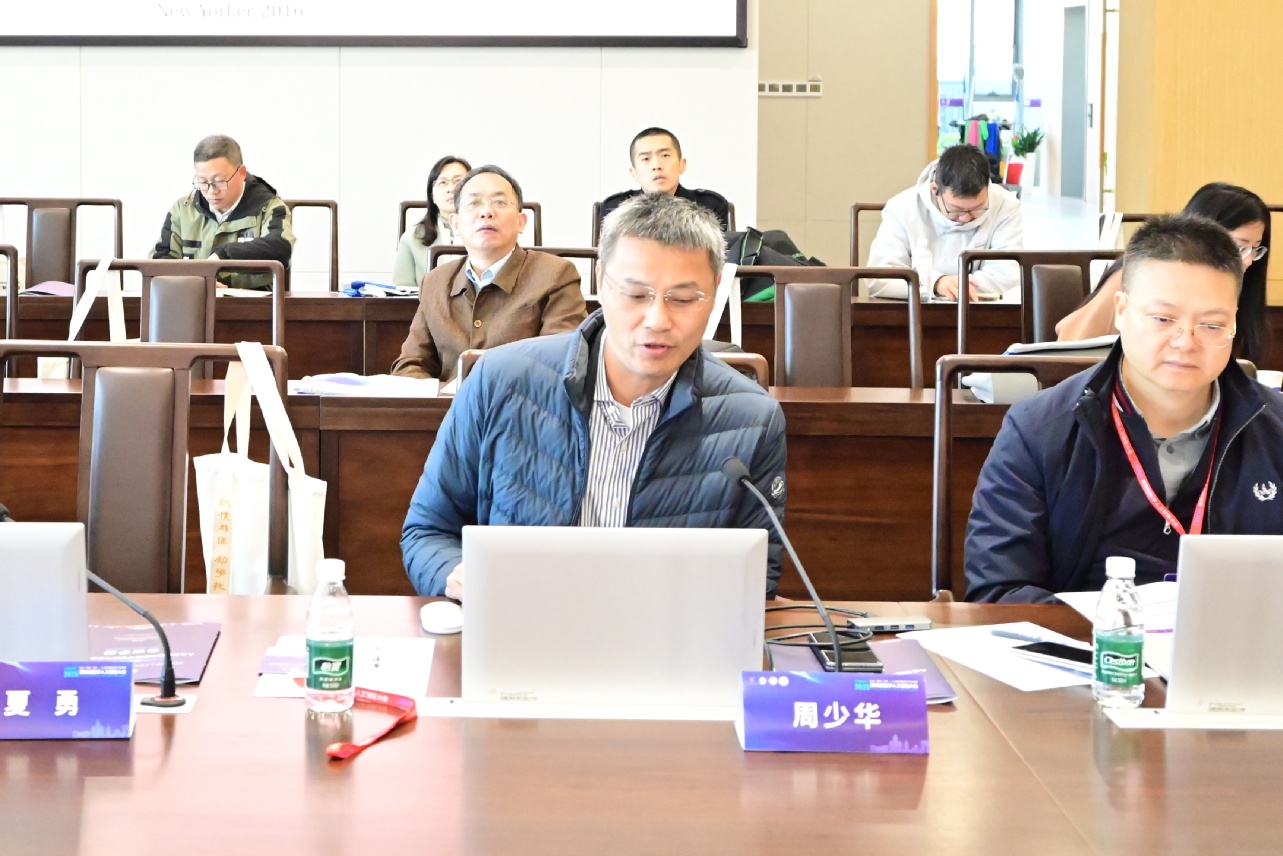
Professor Xia Yong from Northwestern Polytechnical University, in his presentation titled Large Language Model-Driven Medical Image Analysis, elaborated on the challenges and strategies associated with applying large language models in the field of medical imaging. He first highlighted the dilemma of small-sample data and introduced four solution pathways: cross-modal data generation, large-scale pre-training, fine-tuning and distillation of large models, and large language model-driven analysis. Next, addressing the critical requirement of trustworthiness, he emphasized four essential aspects of models: generalization robustness, adversarial robustness (security), interpretability, and fairness. Finally, he further noted that clinical imaging models are undergoing a fundamental paradigm shift—transitioning from the isolated pattern of one task, one dataset, one model to a unified multi-level large model architecture, which will effectively alleviate long-standing challenges such as data scarcity and model proliferation.
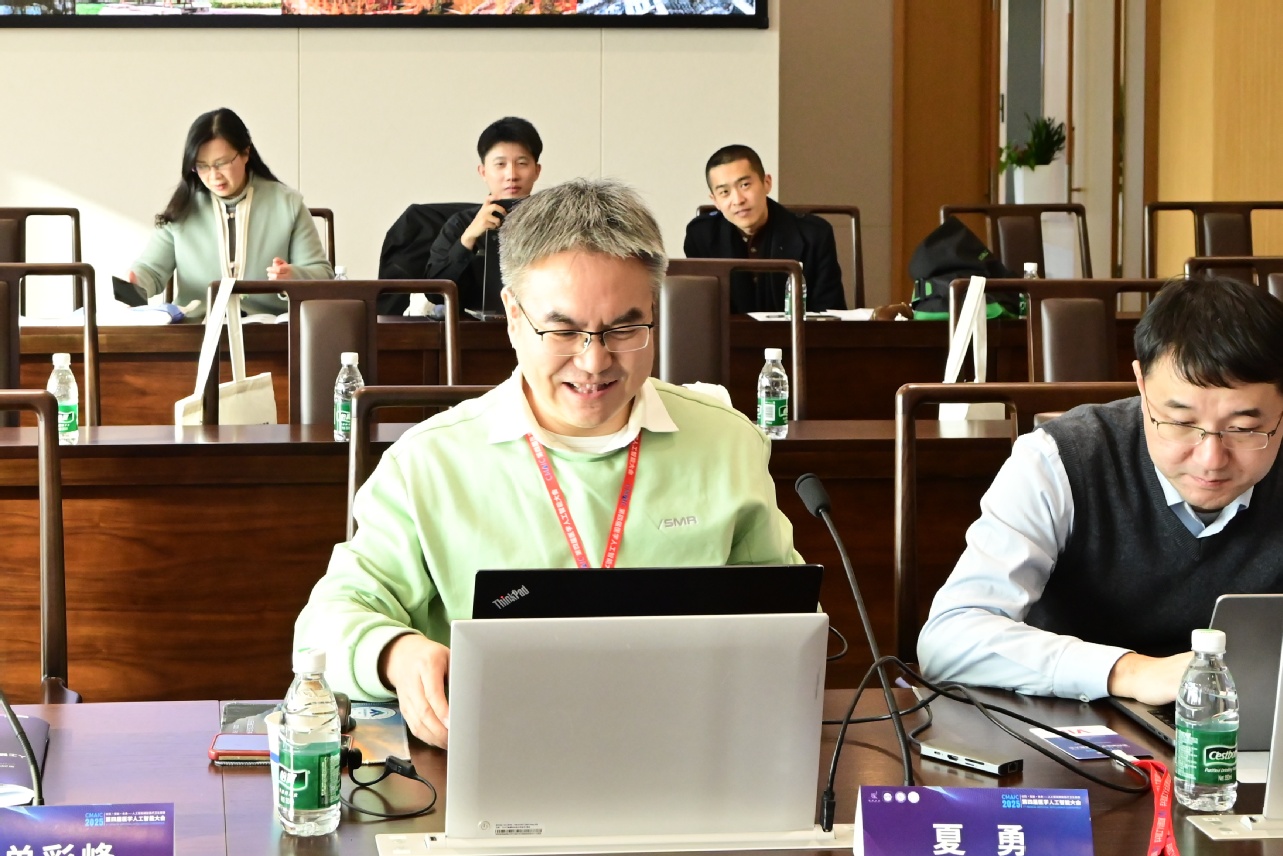
Professor Jin Jing from East China University of Science and Technology, in his presentation titled Optimization and Application of Brain-Computer Interface Systems, introduced his team’s strategic layout and achievements in the research, development, and medical application of brain-computer interface technology. His team focuses on three major directions: BCI foundational technology, BCI medical applications, and BCI+AI. They have independently developed implantable acquisition chip products, achieving breakthroughs in key technological barriers. At the application level, the team has developed a non-invasive system for consciousness assessment and regulation, as well as the first motor rehabilitation system for stroke patients. Looking ahead, he proposed that brain-computer interface technology will further break through the physical limitations of the human body, helping to build a new vision of an Avatar-style metaverse life characterized by the integration of virtual and real worlds and interactive symbiosis.
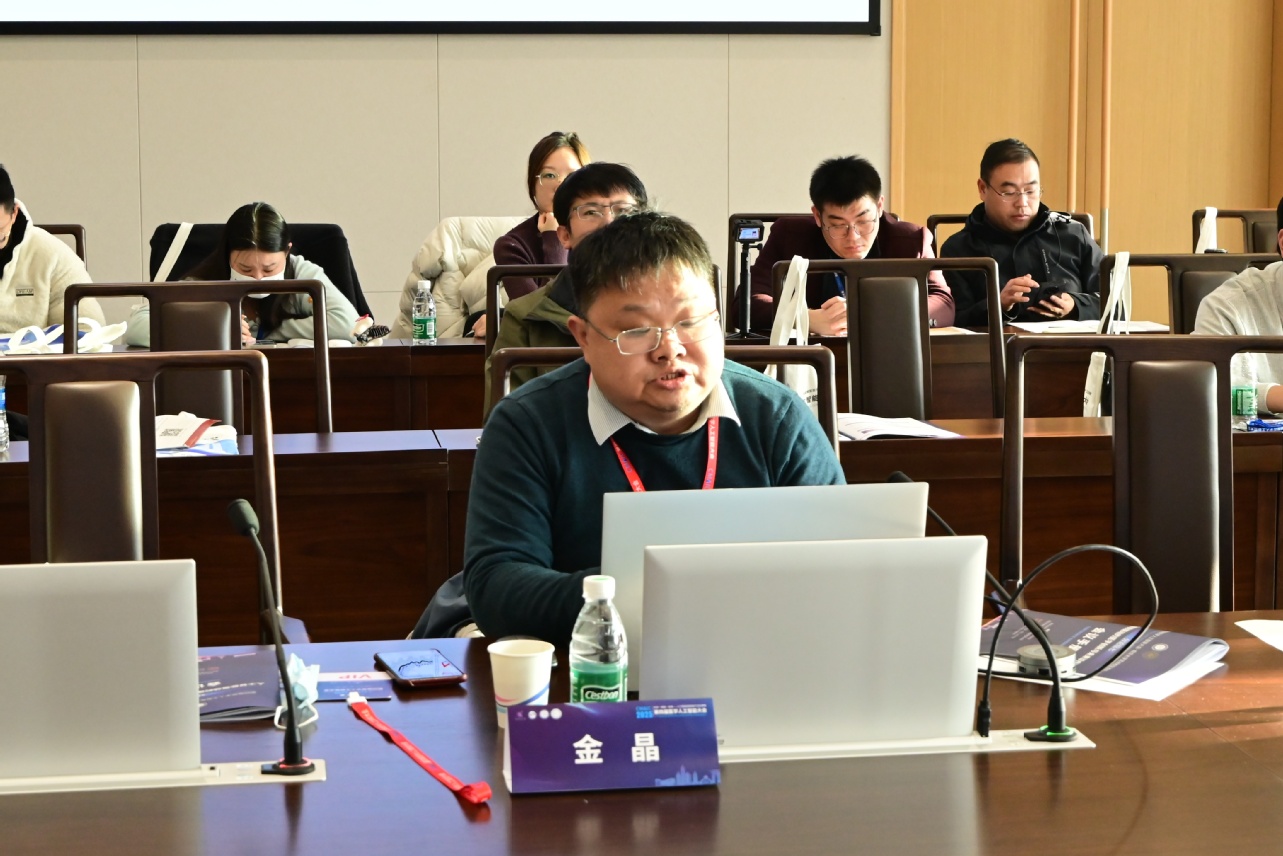
Professor Wang Qian from ShanghaiTech University delivered a presentation titled Intelligent Screening for Cervical Diseases, focusing on cervical cancer as a major threat to women's health worldwide. He systematically introduced his team's innovative explorations in intelligent screening technologies. Centering on cytology testing, which is widely used in clinical practice, he detailed a series of technical advancements, including a multiple-instance learning framework, a multi-task decoupling design tailored to clinical workflows, text-description-driven fine-grained abnormality grading of cellular lesions, and an expert gaze-driven false-positive correction mechanism. Currently, this work has reached the capability for large-scale clinical deployment, providing an efficient and reliable intelligent tool for the early prevention and control of cervical cancer.
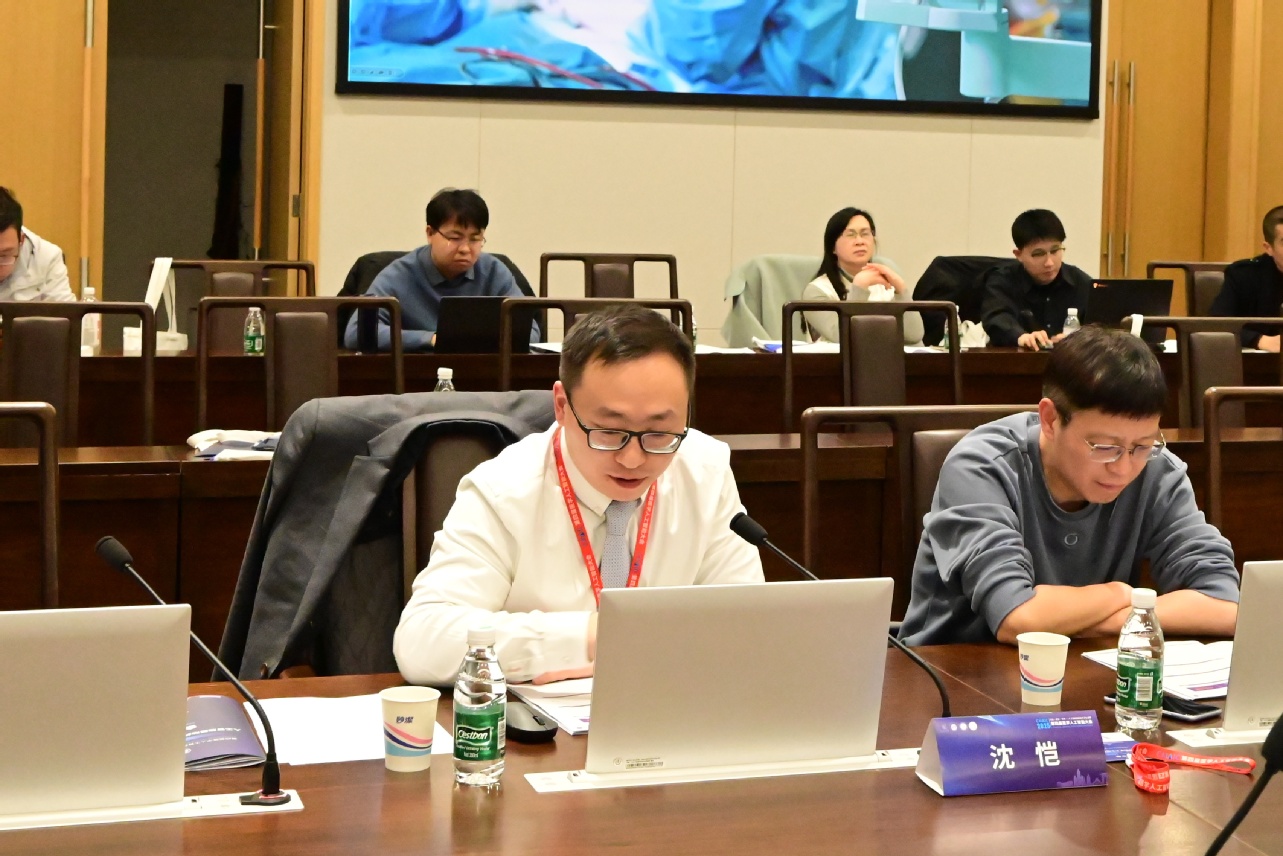
Shen Kai, Deputy General Manager of Nanjing Kaiying Intelligent Medical Technology Co., Ltd., in his keynote presentation titled Applications of the 3D All-in-One Machine in AI Preoperative Planning and Intraoperative Navigation, introduced the Kaiying 3D All-in-One Machine solution independently developed by his team. Centered on FPGA image processing technology, this solution offers advantages such as low latency, high scalability, and strong reliability, supporting real-time overlay display of multimodal imaging and AI models. He also demonstrated the device's applications in scenarios such as neuroendoscopic augmented reality AI navigation, providing insights into innovative trends from the industry for the attending experts and scholars.
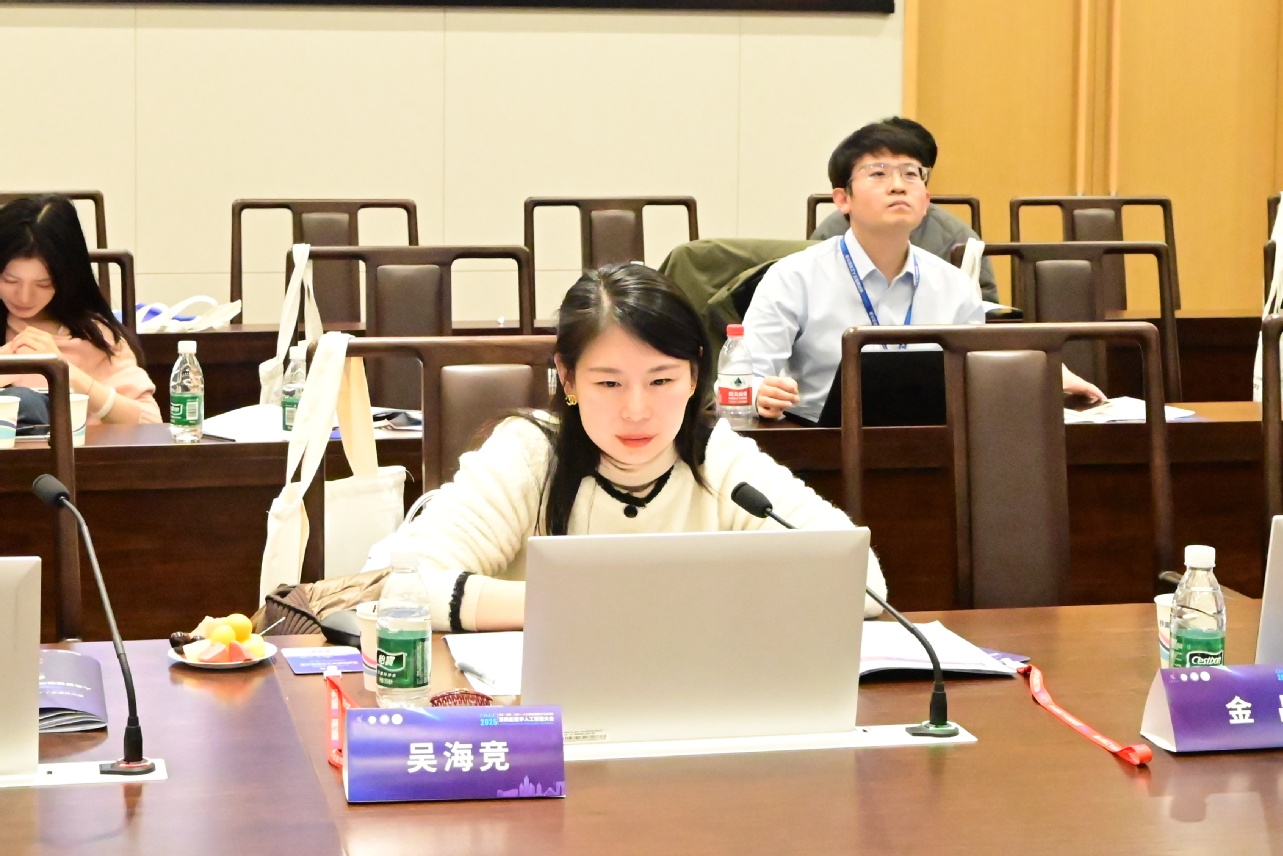
Professor Wu Haijing from the Second Xiangya Hospital of Central South University, from a clinician’s perspective, delivered a presentation titled Applications and Challenges of Artificial Intelligence in Dermatology, closely addressing the practical dilemmas and needs in the clinical diagnosis and treatment of skin diseases. She pointed out that the wide variety and diverse clinical manifestations of skin diseases, coupled with limited diagnostic accuracy, impose significant burdens on doctors and lead to low diagnostic consistency. In response, she emphasized that what clinicians truly seek is not merely innovation driven by technical metrics but practical tools that align with clinical workflows, such as systems that assist in generating standardized pathological descriptions. She particularly highlighted that the interpretability of models, their adaptability to unlabeled and noisy data, and their robust transfer capabilities in small-sample or even zero-shot scenarios are key to advancing AI’s integration into clinical practice. She called for greater attention from academia, industry, and research sectors to the clinical translation and practical utility of technologies, advocating for the establishment of trustworthy AI-assisted diagnostic models centered on clinicians' needs and emphasizing human-machine collaboration.
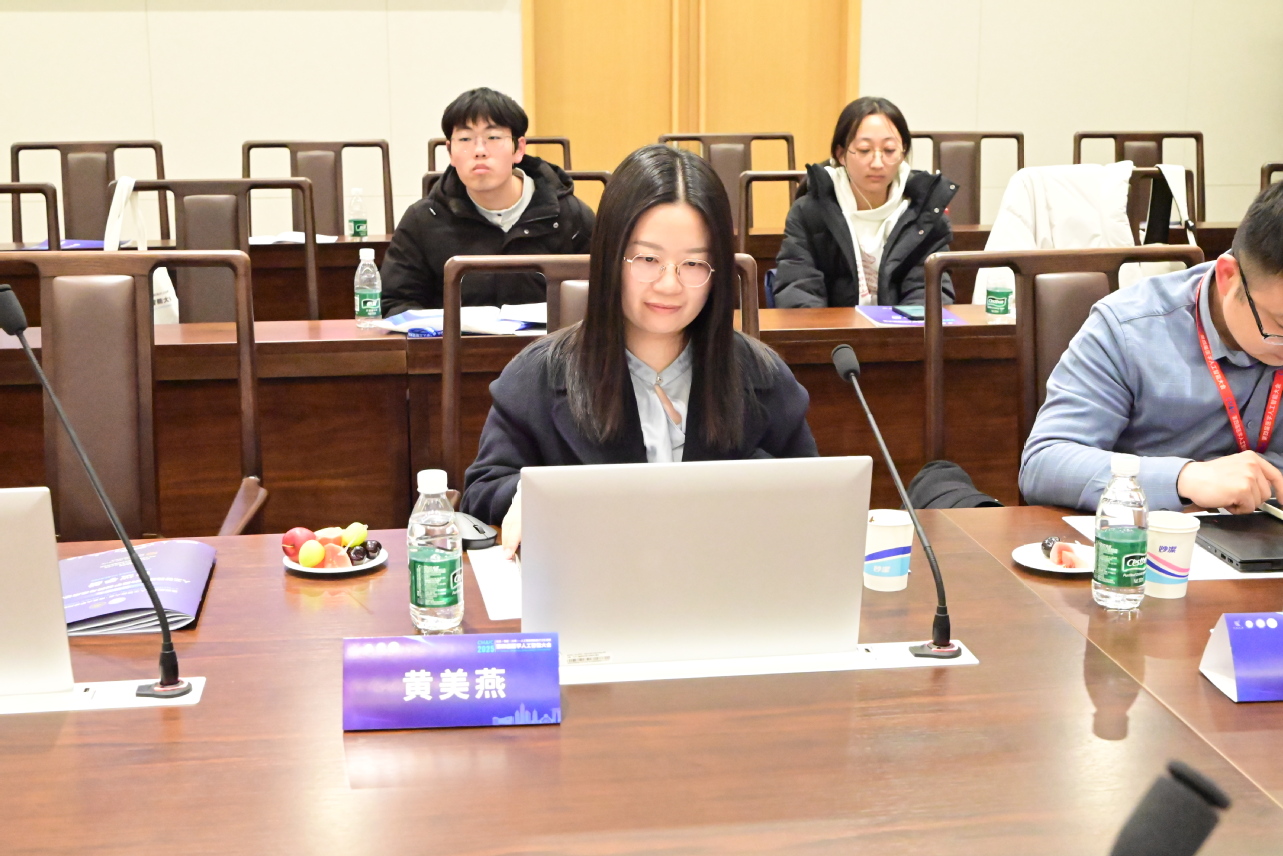
Professor Huang Meiyan from Southern Medical University, in her presentation titled Early Prediction Methods for Brain and Liver Diseases Based on Multi-Source Information Fusion, addressed the challenge of early diagnosis for highly malignant diseases such as glioma and liver cancer, introducing a series of methodological innovations in multi-source information fusion and analysis. To tackle key challenges such as incomplete multimodal clinical data, high heterogeneity, and the difficulty in detecting lesion changes, she proposed a three-level research approach: extracting shared information through feature decoupling, modeling complex associations between multi-scale data (e.g., imaging and genomics) using scale-structural constraints, and guiding networks with domain knowledge to focus on critical features such as tumor margin infiltration patterns. This work provides methodological support for enhancing the early detection and precise intervention capabilities for major brain and liver diseases.
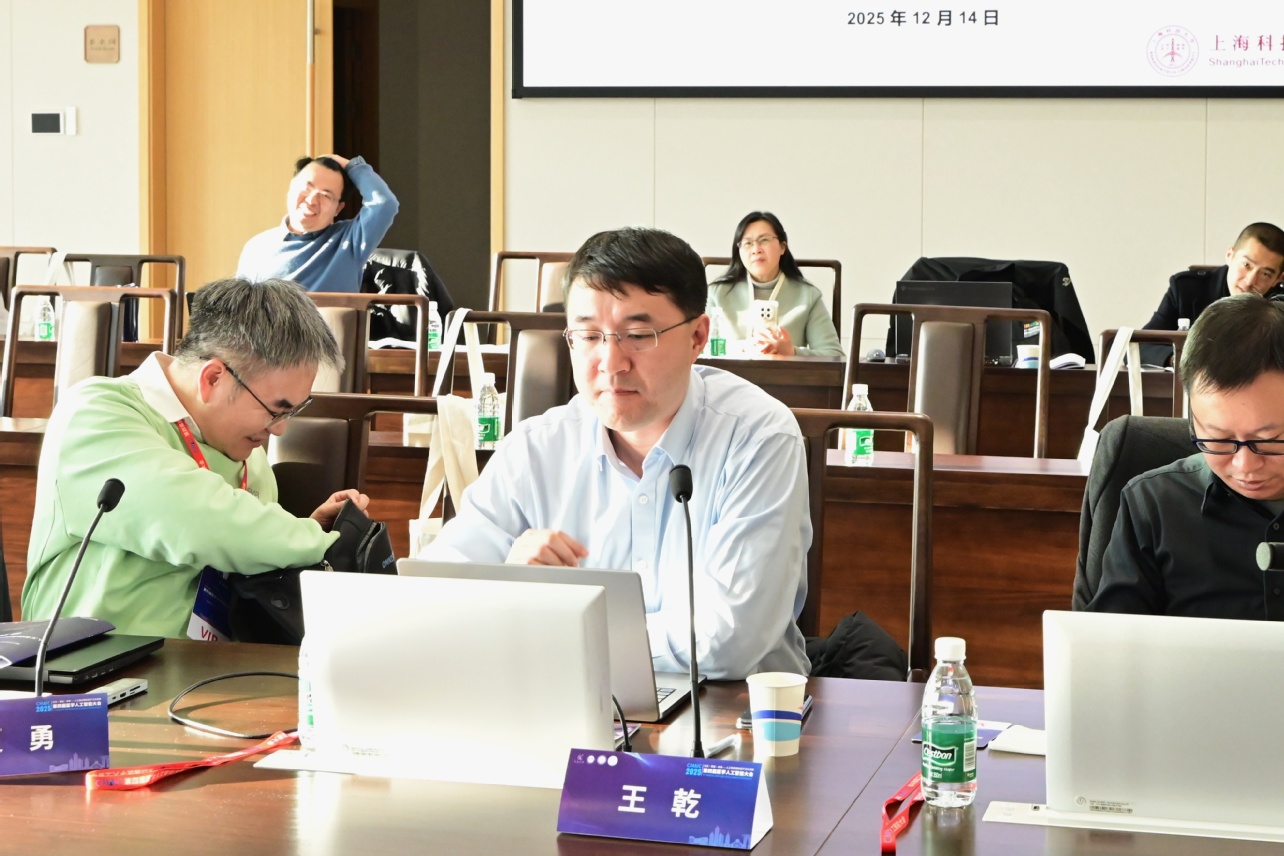
The forum sessions were moderated by Professor Feng Qianjin from Southern Medical University, Associate Professor Wei Hongjiang from Shanghai Jiao Tong University, Researcher Zhang Jiong from the Ningbo Institute of Materials Technology and Engineering, Chinese Academy of Sciences, Researcher Dai Yakang from the Suzhou Institute of Biomedical Engineering and Technology, Chinese Academy of Sciences, and Tenure-Track Associate Professor Fang Yuqi from the School of Artificial Intelligence at Nanjing University.
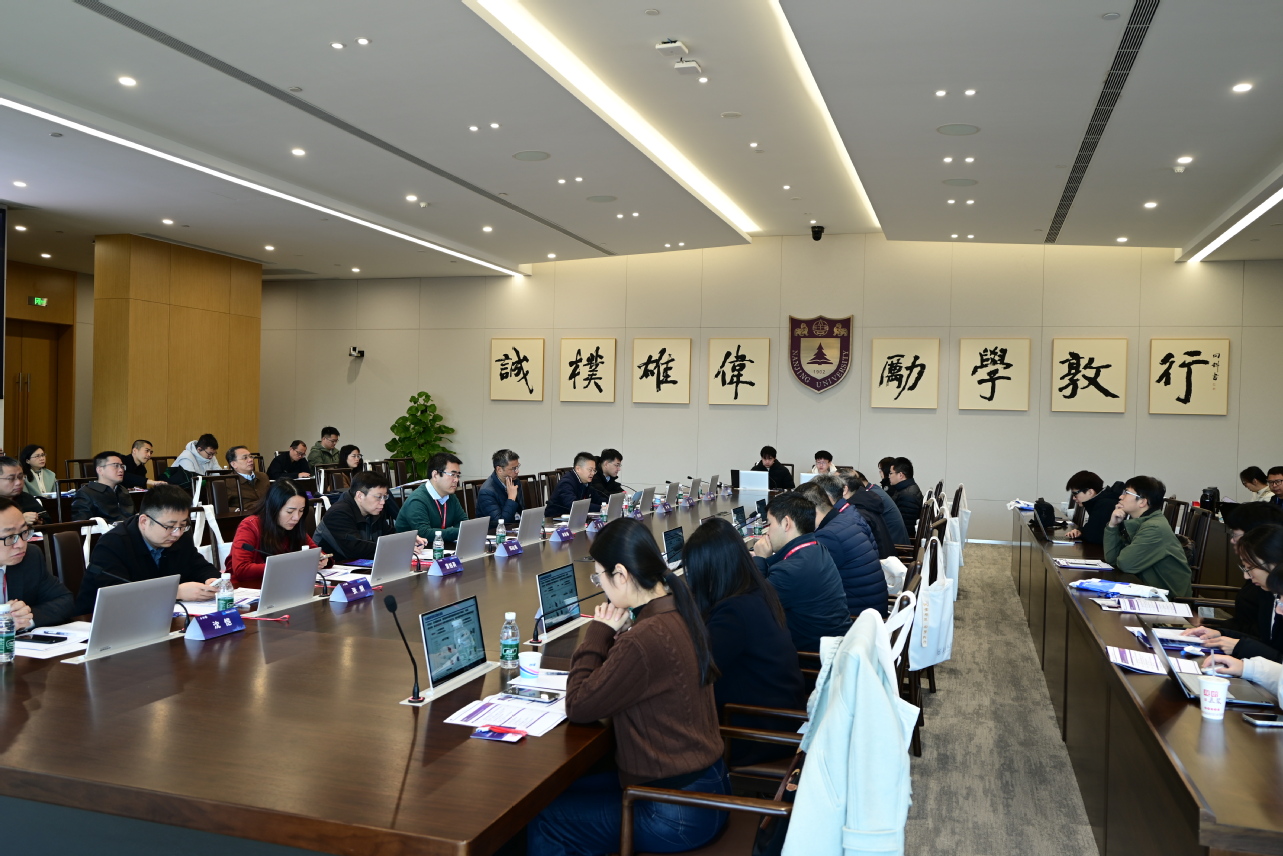
The forum concluded successfully, with participating experts demonstrating the broad prospects and feasible pathways for intelligent technologies to empower modern medicine from multiple dimensions, including methodological innovation, technological implementation, and clinical translation. The forum not only fostered interdisciplinary academic exchange and intellectual碰撞 but also established a collaborative platform for academia, industry, research, and medical communities to jointly advance the intelligent transformation of healthcare.